Sensitive Skin Care: Is Avoiding Irritation the Only Answer?
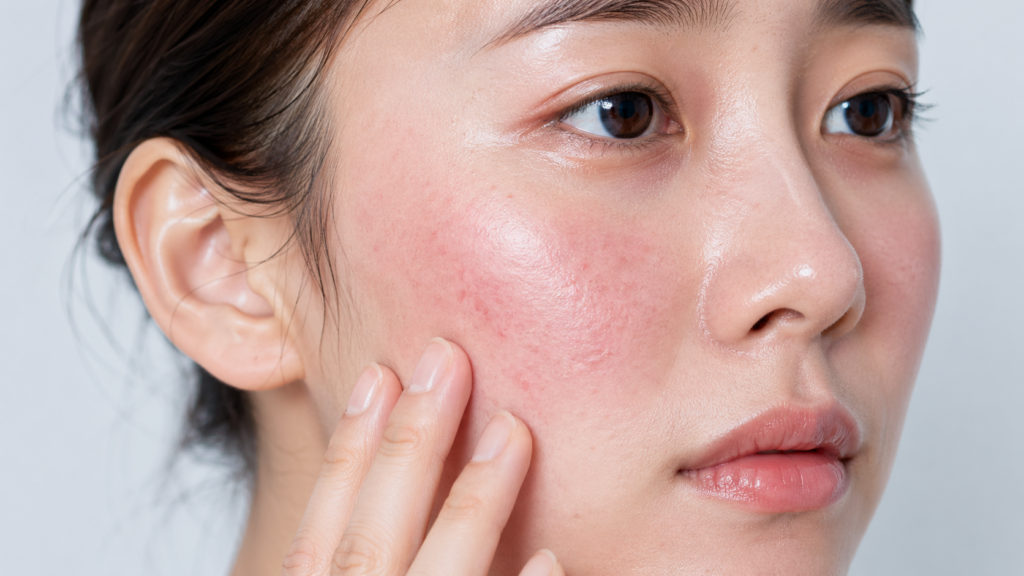
The essence of sensitive skin care goes beyond simply minimizing irritation. The root cause of sensitivity is not external stimuli themselves, but rather a compromised skin barrier and disrupted balance within the skin.
The real question is not what to avoid, but what condition needs to be restored. When the stratum corneum becomes uneven or the lipid structure is damaged, the skin becomes significantly more reactive to environmental changes. In such cases, avoiding irritation may provide temporary relief, but it does little to improve the skin’s intrinsic recovery capacity over time.
This is why modern approaches emphasize low-irritation peeling solutions that refine the skin environment, allowing it to regain and maintain its natural balance.
O/X 1. Should sensitive skin avoid exfoliation?
The answer is X.
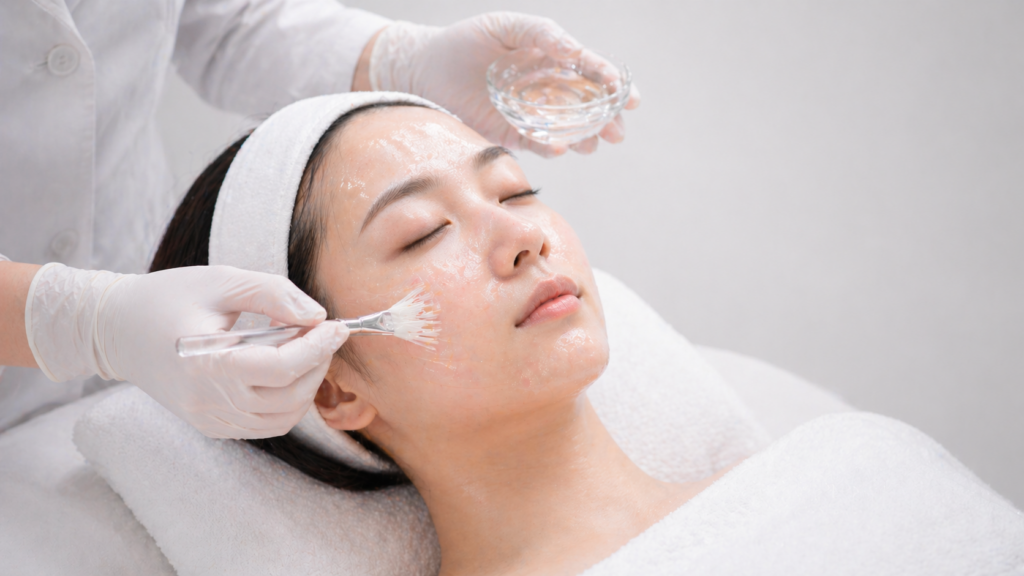
Even sensitive skin requires proper exfoliation to maintain a healthy texture—what must change is the method.
When dead skin cells accumulate unevenly, the skin surface becomes rough, and external irritants penetrate more easily. This creates a cycle that further increases sensitivity.
Traditional first- and second-generation peeling agents (AHA, BHA) have relatively small molecular sizes, allowing them to penetrate deeply into the epidermis. While effective, this often comes with increased risks of irritation and post-inflammatory pigmentation.
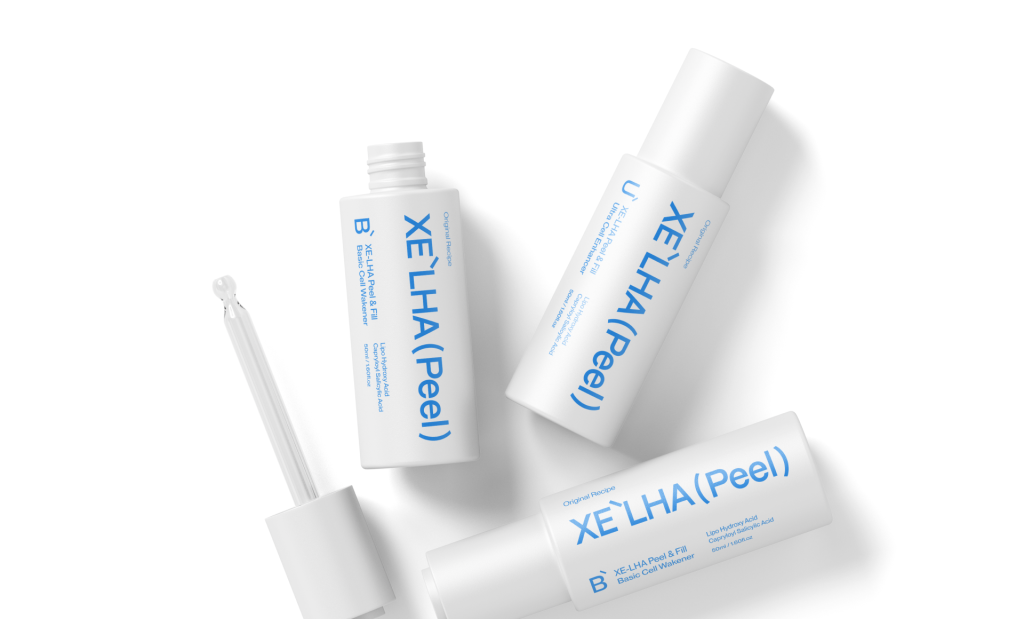
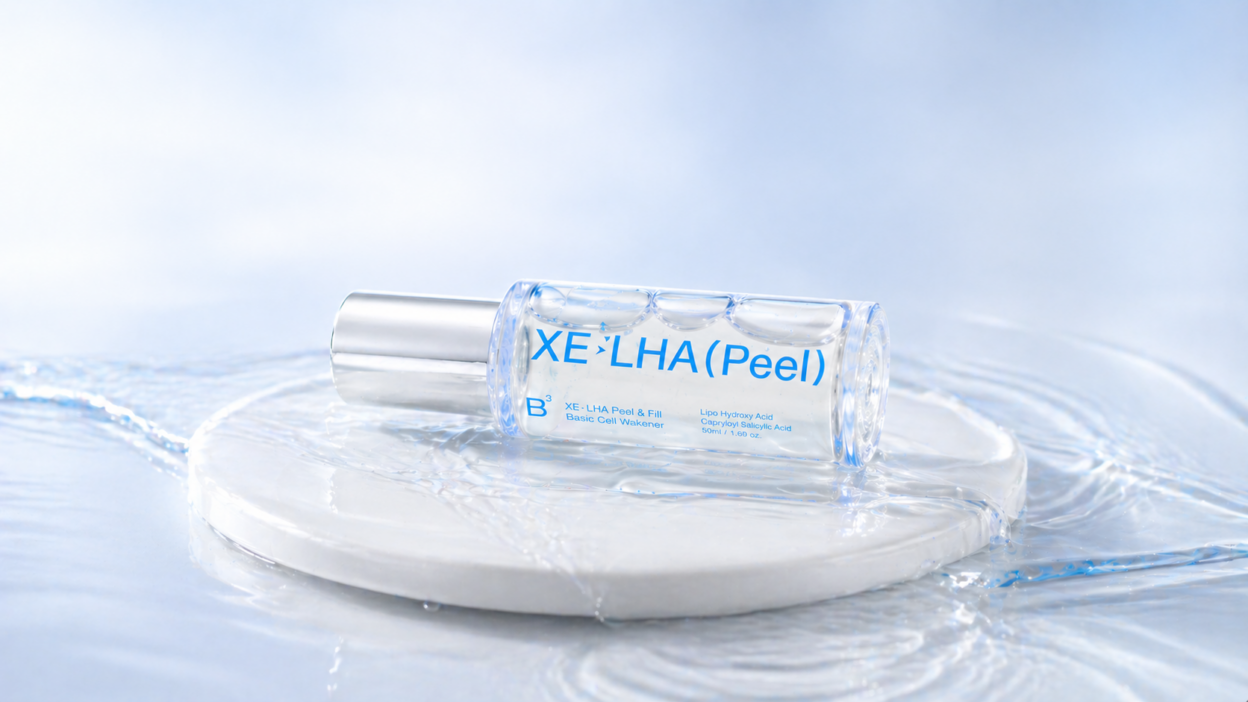
In contrast, XE-LHA Peel, a next-generation solution, features a larger molecular structure similar to PHA. It works gently on the skin surface while maintaining a pH5.5 and leveraging lipophilic properties to protect the lipid barrier. This enables precise targeting of the stratum corneum without compromising skin integrity—making it suitable even for sensitive skin.
O/X 2. Is sufficient moisturizing enough to stabilize the skin?
This answer is also X.
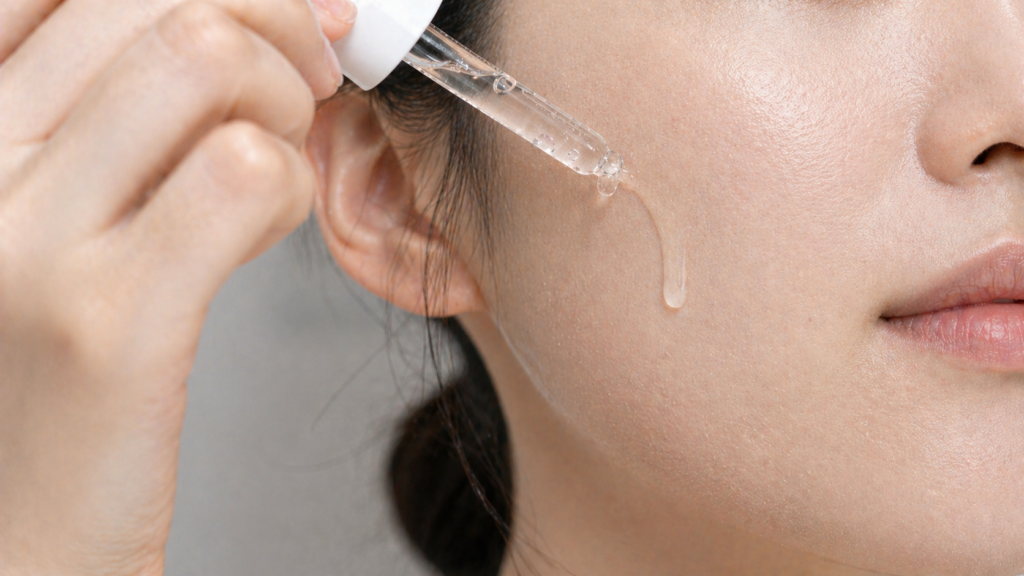
While hydration is essential, it is not sufficient on its own to fully restore skin stability.
Persistent dryness often indicates more than a lack of moisture—it may signal uneven buildup of dead skin cells or damage to the lipid structure. In such cases, even intensive moisturizing fails to retain hydration, as water evaporates easily from the compromised barrier.
To truly improve hydration retention, the skin must first be refined and balanced. This is where XE-LHA PEEL’s patented Youth P-Sol™ technology plays a critical role. Derived from natural ingredients such as olive and coconut oil, this system goes beyond simple exfoliation. It gently refines the skin while minimizing irritation, helping to restore a smooth and balanced skin surface.
O/X 3. Do skin treatments worsen sensitive skin?
This is also X.
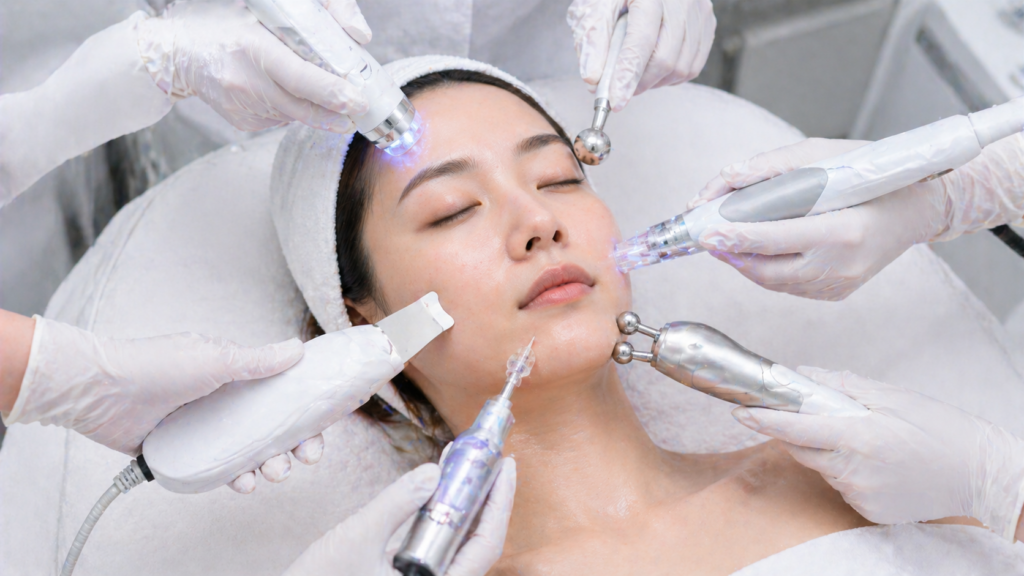
This is only partially true. While aggressive treatments may temporarily aggravate sensitive skin, not all procedures have this effect.
The key factor is not the intensity of the treatment, but the approach. Treatments that focus solely on stimulation without considering the skin environment can be harmful. However, approaches that preserve the skin’s structure while restoring balance can actually improve stability.
XE-LHA PEEL incorporates the patented DactorTec™ KIS technology, which supports the skin’s microbiome. By promoting microbial balance, it enhances skin immunity and helps restore its natural resilience.
Clinically, XE-LHA PEEL has demonstrated benefits across multiple dimensions, including wrinkle improvement, anti-inflammatory effects, and enhanced hydration—ultimately addressing the root causes of sensitive skin.
The underlying structure of recurring sensitive skin concerns
Sensitive skin is not caused by a single factor. It is the result of multiple overlapping issues, including uneven keratinization, lipid barrier damage, and microbiome imbalance.
In such a complex system, addressing only one factor—such as hydration or irritation avoidance—rarely delivers meaningful results. A comprehensive approach that considers the entire skin environment is essential.
Rethinking sensitive skin: The science behind natural inner glow
Sensitive skin is often associated with the need to suppress shine and focus solely on calming. However, when the skin structure is balanced and uniform, a natural inner glow can emerge—even in sensitive skin.
This glow is not surface oiliness, but a reflection of a stabilized internal environment. When the stratum corneum is evenly refined and moisture and lipids are in harmony, light reflects uniformly, creating a clear and radiant complexion.
This state is achieved not through aggressive exfoliation, but through a low-irritation refinement process that preserves and restores the skin’s integrity.
FAQ: How often should sensitive skin be treated?
There is no one-size-fits-all frequency for sensitive skin care. The most important factor is adopting a method that aligns with your current skin condition and can be repeated without causing stress.
With traditional first- to third-generation peeling methods, strong stimulation often requires extended recovery intervals. In contrast, XE-LHA PEEL supports the skin’s natural ability to retain moisture and nutrients, allowing for more flexible and consistent treatment cycles.
In fact, XE-LHA PEEL is gentle enough to be performed at weekly intervals, with minimal irritation and no downtime, enabling an immediate return to daily activities.
Ultimately, effective care is about creating an optimal environment where the skin ecosystem can restore itself naturally and sustainably.
Recommend Article
- XE-LHA PEEL: Achieve Radiant Skin with 2x the Whitening Power of Whitening Injections
- Unlocking Your Inner Glow with XE-LHA PEEL: The Science of 4th Generation Peeling
- Peeling for sensitive skin, rebuilding a low-irritation ecosystem with 4th generation XE-LHA Peel
Want to explore trusted Korean clinics?
Check out YeoTi — the all-in-one Korean aesthetic app
- Over 900,000 verified treatment reviews
- Transparent local pricing for foreigners
- Consultation and booking available in Japanese and English