
Have you ever looked in the mirror and wished your favorite jeans fit just a little bit better? I know I have! 😊 In recent years, the conversation around body contours has shifted dramatically, and achieving that perfect, natural-looking curve has become a major topic of interest.
Today, I want to talk about buttock augmentation. Whether you’ve seen stunning transformations on social media or are genuinely considering the procedure for yourself, navigating the sea of medical jargon can be overwhelming. Let’s break it down together like friends chatting over coffee!
What Exactly is Buttock Augmentation? 🤔
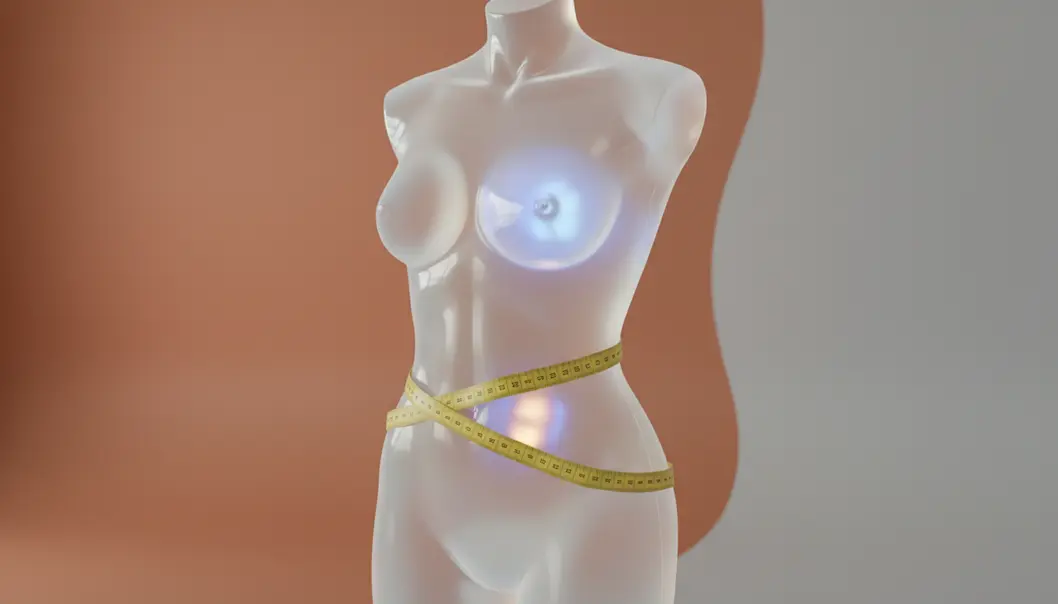
In simple terms, buttock augmentation is a cosmetic surgical procedure designed to enhance the size, shape, and contour of your glutes. When I first started researching this, I realized it’s not just a one-size-fits-all surgery. The goal is to create a proportional and balanced figure that complements your natural body shape.
Did you know? The most popular method worldwide right now is the Brazilian Butt Lift (BBL), which actually uses your own body fat instead of artificial materials!
BBL vs. Implants: Comparing Your Options 📊
To be honest, choosing the right method is the most critical step. Generally, you have two main options: Fat Transfer (BBL) and Silicone Implants. Let’s look at how they stack up.
| Method | How It Works | Best For |
|---|---|---|
| BBL (Fat Transfer) | Liposuction removes fat from belly/thighs, injects it into buttocks. | Those wanting a natural feel and body contouring. |
| Butt Implants | Soft silicone implants surgically placed in the glute muscle. | Very slim individuals with little body fat to transfer. |
| Sculptra (Injections) | Dermal fillers injected to stimulate collagen. | Those seeking a non-surgical, subtle lift. |
Because buttock augmentation (especially BBL) involves complex anatomy, it carries serious risks if performed incorrectly. Always choose a board-certified plastic surgeon with extensive experience in gluteal reshaping. Your safety is priceless!

Cost & Eligibility: Are You a Good Candidate? 🧮
One of the most common questions I hear is, ‘Do I have enough fat for a BBL?’ It is a great question! For a successful fat transfer, doctors usually look at your Body Mass Index (BMI). While not the only factor, a BMI between 22 and 30 is often considered the ‘sweet spot’ for harvesting enough fat.
🔢 BBL BMI Estimator
Enter your details to see if your BMI falls into the typical BBL range. (Remember, this is just a general guide!)
Real-Life Case: The Journey to Curves 📚
It is always easier to understand when we look at a real example. Let us look at a typical patient journey.
📝 Example: Elena's BBL Journey
- Background: Elena (32) wanted to get rid of stubborn belly fat and add volume to her 'hip dips.'
- Consultation: Her BMI was 24, making her a perfect candidate for fat transfer.
- Procedure: The surgeon performed 360-degree liposuction around her waist and injected the purified fat into her buttocks and hips.
- Result: She achieved an hourglass figure. The first two weeks required her to sleep on her stomach and use a special BBL pillow when sitting!
What we can learn from Elena's case is that preparation and post-op care are just as important as the surgery itself. Following the doctor's recovery protocols strictly ensures the transferred fat actually survives and thrives.

Summary & Core Takeaways 📝
We have covered a lot of ground today! Let's wrap up the key points you need to remember if you are considering buttock augmentation.
Glute Guide Summary
FAQ ❓
Making changes to your body is a deeply personal decision. I think it is wonderful that we have advanced options today to help people feel more confident in their own skin. Whatever you decide, make sure you are doing it for yourself, and always prioritize your health and safety first by consulting professionals.
If you have any more questions about the process, costs, or finding the right surgeon, feel free to ask in the comments! 😊