

Have you ever looked in the mirror and gently pulled the skin on your cheeks upward, wishing it would just stay there? If you have, trust me, you are definitely not alone! 😊 As we age, our skin naturally loses elasticity, leading to sagging along the jawline, cheeks, and neck. While surgical facelifts have always been an option, the thought of going under the knife can be quite daunting for many of us.
That’s exactly where Cog Thread Lifting comes to the rescue! It’s become an incredibly popular procedure in the world of non-surgical aesthetics, and for a good reason. But what exactly is it, and how does it work?
What is Cog Thread Lifting? 🤔
In simple terms, a thread lift is a minimally invasive cosmetic procedure where medical-grade, dissolvable threads are inserted beneath the skin to physically lift and tighten sagging areas. The word \”Cog\” refers to the tiny barbs or hooks attached to these specific threads. Unlike smooth threads, which are mostly used for skin rejuvenation, cog threads grab onto the underlying tissue, providing a strong anchor to pull the sagging skin upward.
These threads are typically made of PDO (Polydioxanone), a safe material that has been used in medical sutures for decades. Over the course of 6 to 9 months, the threads naturally dissolve in your body. But here’s the best part: as they dissolve, they trigger your body’s natural healing response, producing fresh collagen around the threads.
Cog thread lifting doesn’t just give you an immediate physical lift. The ongoing collagen production means your skin texture and firmness will continue to improve over the next few months!
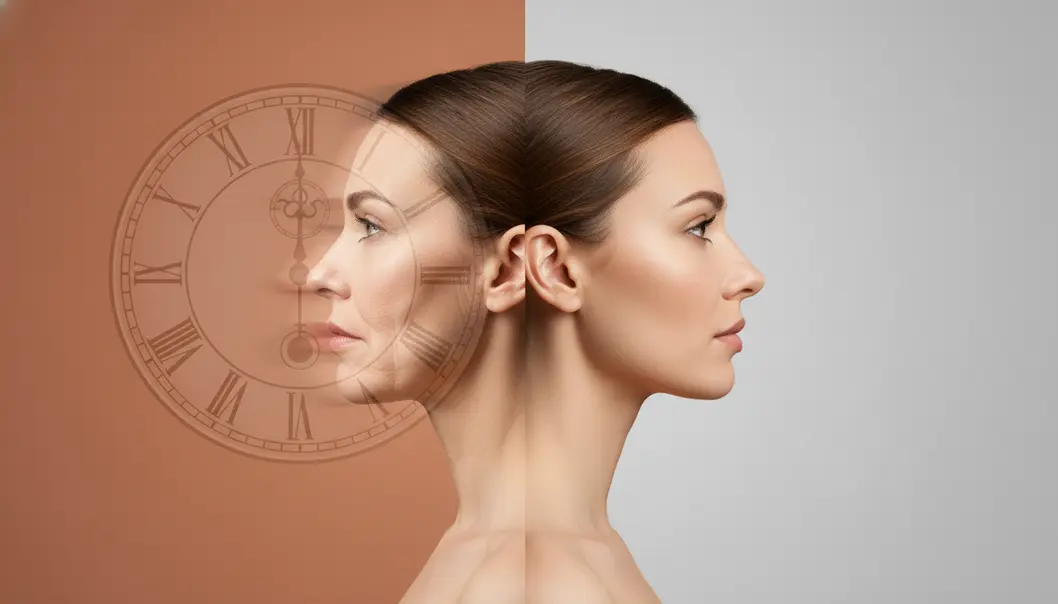
Why Choose Cog Threads Over Surgery? ✨
You might be wondering, \”Why should I choose this over a traditional facelift?\” To be honest, it all comes down to downtime, invasiveness, and cost. Let’s look at a quick comparison to help you understand the differences.
| Feature | Cog Thread Lift | Surgical Facelift |
|---|---|---|
| Invasiveness | Minimally invasive (needle/cannula) | Highly invasive (incisions) |
| Downtime | 1-3 days (minimal) | 2-4 weeks |
| Anesthesia | Local anesthesia | General anesthesia usually |
| Longevity | 1 to 2 years | 5 to 10+ years |
What to Expect During the Procedure 🏥
The thought of threads going into your face can sound a bit scary, right? But the process is actually surprisingly quick and straightforward, often referred to as a \”lunchtime facelift.\” Here is what generally happens:
- Consultation: Your doctor assesses your skin and marks the vectors (lines) where the threads will be inserted to achieve the best lift.
- Local Anesthesia: A local anesthetic is injected to numb the entry points and the path of the threads, ensuring you remain comfortable.
- Insertion: Using a blunt-tipped cannula (to minimize bruising), the cog threads are guided beneath the skin.
- Lifting & Trimming: The doctor gently pulls the threads to lift the tissue into its new position, then trims any excess thread. You can instantly see the lifting effect!
While safe, it is completely normal to experience some mild bruising, swelling, or a feeling of tightness for a few days post-procedure. If you experience severe pain or signs of infection, consult your doctor immediately.

Essential Aftercare for the Best Results 💆♀️
I cannot stress enough how important aftercare is for this procedure. The threads need time to integrate firmly into your tissue. For the first couple of weeks, you’ll need to treat your face with utmost care. Avoid extreme facial expressions, sleeping on your stomach, or vigorous facial massages. Simply put, let your face rest so the threads can do their magic!
Cog Thread Lift Snapshot
FAQ ❓
Disclaimer: The information provided in this article is for educational purposes only and should not replace professional medical advice. Always consult a qualified healthcare provider for personalized guidance.
I hope this guide helped clear up your questions about cog thread lifting! Have you ever considered trying a thread lift, or do you have any more questions? Let me know in the comments below, and I’d be happy to chat more about it! 😊