

Let’s be honest, we’ve all been there. You look in the mirror, feel a bit frustrated with your current progress, and suddenly, an ad for a “miracle” weight loss supplement pops up on your feed. The temptation to find a quick fix is incredibly real, isn’t it? 😊 I remember a few years ago when I hit a stubborn plateau in my fitness journey; the idea of just taking a pill to melt the fat away sounded like an absolute dream.
But when it comes to your health, especially topics like diet pills (which falls strictly under health and wellness where accuracy is paramount), we need to step back from the emotional marketing and look at the cold, hard facts. In this article, I’m going to walk you through what diet pills actually are, how they interact with your body, and what the science really says about their effectiveness.
The Two Main Worlds of Weight Loss Pills
When we use the term “diet pills,” we’re actually talking about a massive, varied category of products. They generally fall into two main buckets: Prescription Medications and Over-the-Counter (OTC) Supplements.
Prescription weight loss drugs are rigorously tested and regulated by health authorities like the FDA. They are typically prescribed only for individuals with a Body Mass Index (BMI) over 30, or over 27 with weight-related health conditions (like type 2 diabetes or high blood pressure). On the flip side, OTC supplements are available everywhere—from your local pharmacy to online marketplaces. However, they are treated as dietary supplements, meaning they don’t go through the same rigorous clinical trials before hitting the shelves.
Types of Weight Loss Pills
| Category | Primary Function | Examples/Common Ingredients |
|---|---|---|
| Appetite Suppressants | Tricks your brain into feeling full, reducing overall calorie intake. | Phentermine, Glucomannan |
| Fat Binders/Inhibitors | Prevents your body from absorbing dietary fats in your digestive tract. | Orlistat (Alli) |
| Thermogenics (Metabolism Boosters) | Increases metabolic rate and fat burning, often through stimulation. | Caffeine, Green Tea Extract |
Many OTC pills use ingredients like Green Tea Extract or Garcinia Cambogia. While some studies suggest they might have a very mild effect on fat oxidation, the results are often highly exaggerated in advertisements. Always approach these claims with a healthy dose of skepticism.
Never mix different types of diet pills or combine them with other medications without consulting a healthcare professional. Mixing stimulants, for example, can lead to severe cardiovascular events.
How Do They Actually Work?
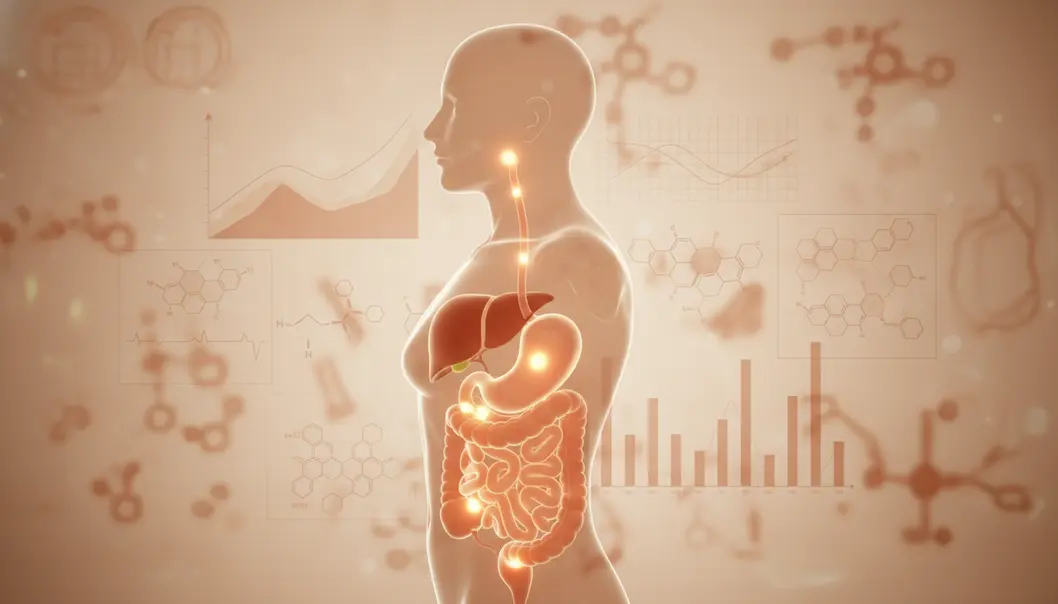
Do they actually work? The answer is… it highly depends on what you are taking. According to various clinical studies, prescription diet pills can help people lose between 3% to 9% of their starting body weight over a year, provided they are combined with a healthy diet and consistent exercise. For example, modern prescription injectables and pills often work by mimicking hormones that target areas of the brain regulating appetite and food intake.
However, the data on OTC supplements is far less convincing. Many popular ingredients have shown only minimal or placebo-level effects in rigorous trials. I think one of the biggest misconceptions is that a pill will do all the heavy lifting. To be honest, there is no magic pill. Even the most powerful prescription drugs require you to maintain a caloric deficit. If you take a fat blocker but eat double the amount of calories, you simply won’t see results.
Always check for “Proprietary Blends” on OTC supplement labels. Manufacturers use this term to hide the exact dosages of individual ingredients, meaning you might be getting a massive dose of cheap caffeine and only a trace amount of the advertised “miracle” extract.
Potential Side Effects
Because these supplements alter your body’s natural processes, they come with risks. Stimulant-based pills can cause increased heart rate, jitteriness, and insomnia. Fat binders, on the other hand, can lead to uncomfortable digestive issues if you consume too much fat in a single meal. It’s truly vital to listen to your body and stop taking anything that makes you feel unwell.
Evaluating Your Baseline: BMI Check 🧮
As mentioned earlier, prescription options are usually considered based on your Body Mass Index (BMI). Let’s use a quick tool to calculate yours. Please remember, BMI is just a basic screening tool and doesn’t account for muscle mass or overall health!
🔢 Quick BMI Calculator
Safe Usage Guidelines
If you and your doctor decide that a weight loss medication is right for you, it is absolutely crucial to use it safely. Always stick to the prescribed dosage. Taking more will not speed up your weight loss; it will only drastically increase your risk of severe side effects like elevated heart rate, severe dehydration, and potential liver damage. Think of it like this: a pill is a tool in your toolbox, not the entire workshop.
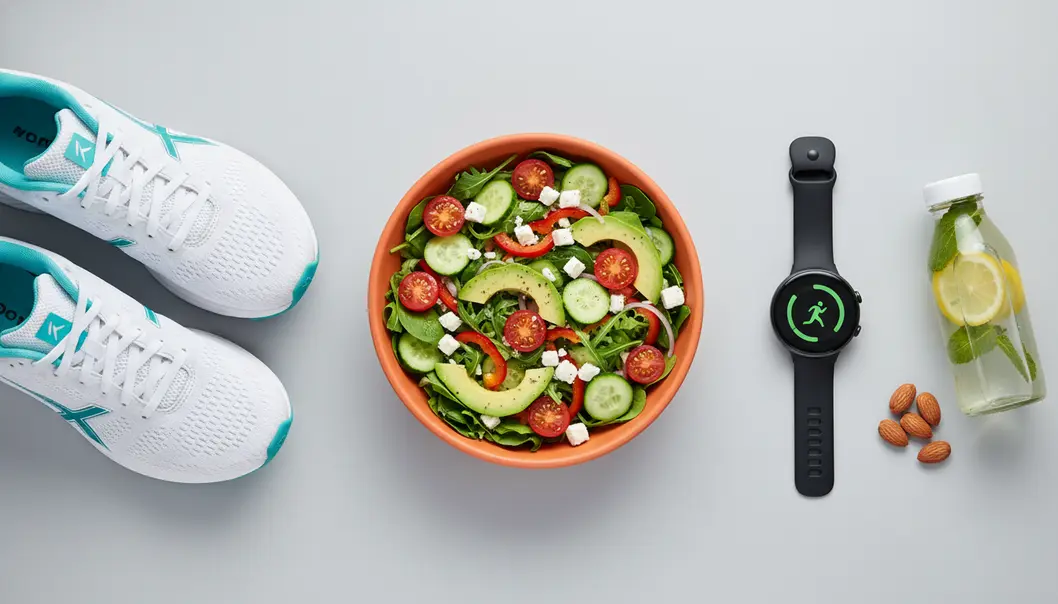
Honestly, sustainable weight loss comes down to lifestyle changes. Diet pills can act as a temporary crutch to help you get started or push past a severe plateau, but they are not a permanent foundation. Focusing on whole foods, increasing your daily protein and dietary fiber intake, and finding a physical activity you actually enjoy will yield much better long-term results without the health risks.
Key Summary: Diet Pills
Frequently Asked Questions ❓
Thank you so much for reading! Navigating the world of weight loss can feel totally overwhelming, but educating yourself is the best first step. Remember, you have the power to make informed, healthy choices for your body. If you have any experiences to share or questions about your journey, feel free to drop a comment below! Let’s support each other towards healthier, happier lifestyles. 😊