Have you ever looked in the mirror and wished for a magic wand to erase dullness, fine lines, or stubborn acne scars? If you’re like me, you’ve probably tried countless serums and creams with mixed results. That’s exactly how I felt before I discovered the fascinating world of spiculing. 😊
What Exactly is Spiculing? 🤔
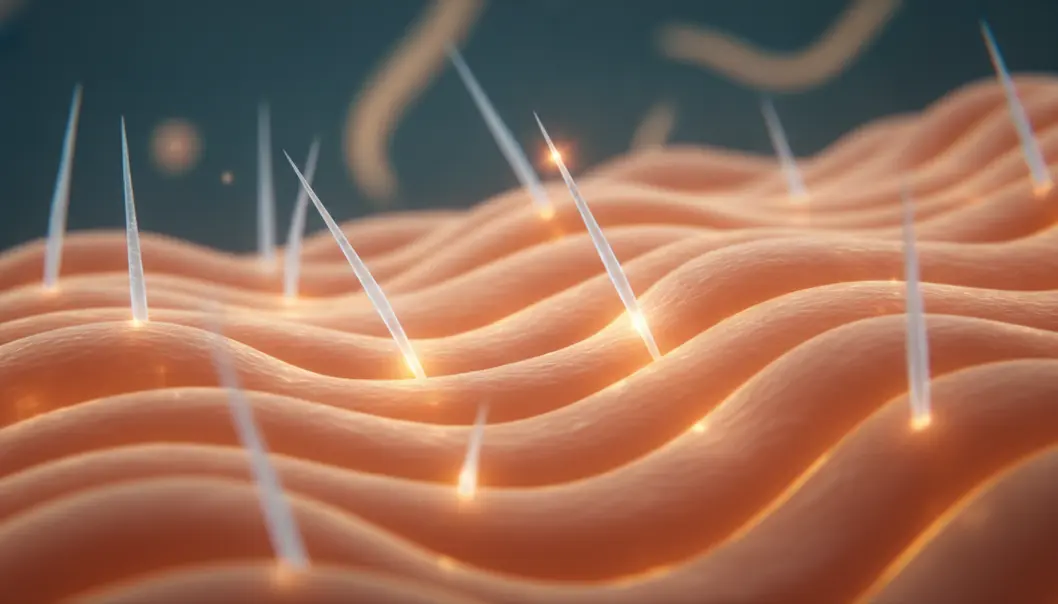
Spiculing, often referred to as liquid microneedling or bio-microneedling, is an innovative skincare treatment that uses microscopic, needle-like structures derived from freshwater or marine sponges. These tiny spicules are invisible to the naked eye but work wonders when massaged into the skin.
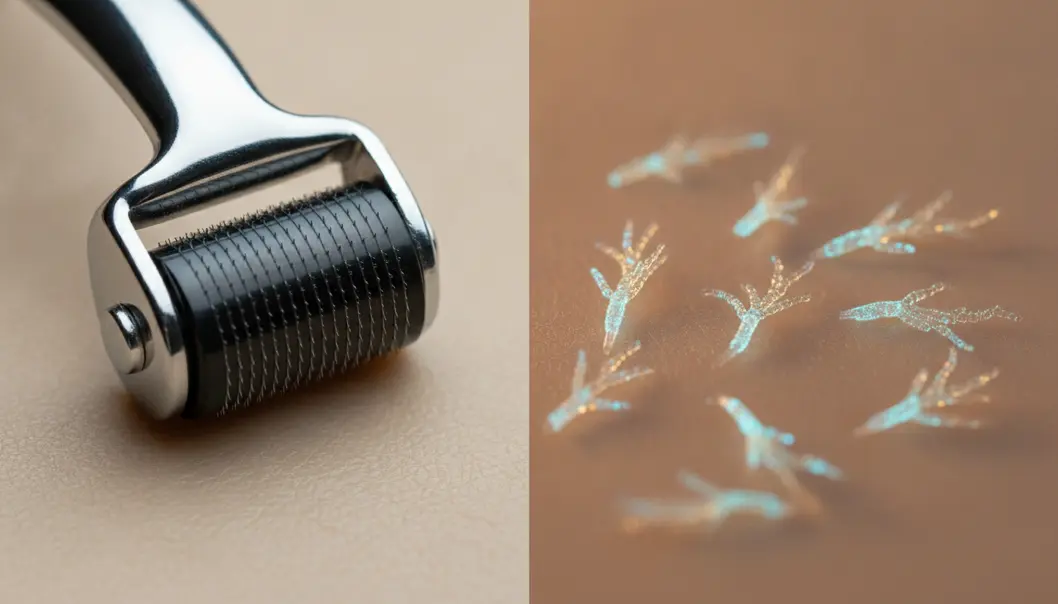
Unlike traditional microneedling that uses metal needles to create micro-injuries, spicules physically penetrate the upper layers of the epidermis. They carry active ingredients deep into the skin and stimulate your body’s natural healing response, boosting collagen production and accelerating cell turnover. The best part? It’s completely natural!
When you apply a spicule-based product, you will feel a distinct prickling or tingling sensation. This means the microscopic needles are successfully embedding into your skin to do their magic. The sensation typically lasts for 24 to 72 hours when you touch your face!
Spiculing vs. Traditional Microneedling 📊
You might be wondering, “Why should I choose sponge spicules over a derma roller or professional microneedling pen?” To be honest, both are fantastic for skin rejuvenation, but they cater to different needs and comfort levels.
One of the biggest advantages of spiculing is that it doesn’t require numbing cream and carries a much lower risk of infection since there are no metal needles causing bleeding. Let’s break down the differences!
| Feature | Spiculing (Bio-Microneedling) | Traditional Microneedling |
|---|---|---|
| Material | Natural marine sponge extract | Medical-grade stainless steel needles |
| Pain Level | Mild tingling/prickling | Moderate (usually requires numbing) |
| Bleeding Risk | None | Common (pinpoint bleeding) |
| Downtime | 1-2 days of mild redness/peeling | 3-5 days of redness and swelling |
Because spicules create micro-channels in your skin, your moisture barrier is temporarily vulnerable. You must avoid active ingredients like Retinol, Vitamin C, and AHAs/BHAs for at least 3-4 days. And always, always apply broad-spectrum sunscreen!
How to Incorporate Spiculing & Practical Tips 🧮
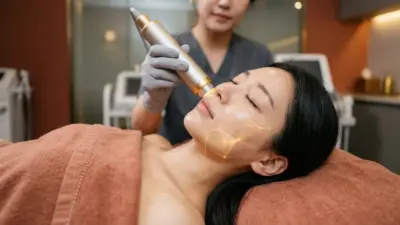
Now that you’re excited about the benefits, how do you actually use it? Whether you’re visiting a clinic for an intensive algae peel or using a home-care spicule serum, the principle is the same. Massage the product gently into clean skin, follow up with a soothing sheet mask, and seal it with a ceramide-rich moisturizer.
🔢 Skin Turnover Cycle Estimator
Spiculing helps accelerate your skin’s natural cell turnover. Let’s estimate your current cycle!
Spiculing Quick Summary
✨ What it is: Microscopic marine sponge needles that penetrate the skin to deliver active ingredients.
📊 Main Benefits: Boosts collagen, accelerates cell turnover, and improves acne scars without metal needles.
⚠️ Key Aftercare: Hydration is critical! Avoid strong actives (retinol/acids) and apply sunscreen diligently.
FAQ ❓
I hope this guide has demystified spiculing for you! Have you ever tried it, or are you planning to? Let me know your thoughts or any lingering questions down in the comments! Stay glowing! 😊