Have you ever looked in the mirror and wished there was a magic wand to erase those stubborn acne breakouts, sunspots, or uneven textures? Trust me, I’ve been there too. It can be really frustrating trying countless creams and serums with absolutely no luck. But what if I told you that light could actually be the answer? 😊
Today, we are diving deep into Photodynamic Therapy, commonly known as PDT. It sounds a bit like something out of a sci-fi movie, doesn’t it? But to be honest, it is one of the most fascinating and effective treatments in modern dermatology. Whether you are struggling with severe cystic acne or looking to reverse years of sun damage, PDT might just be the solution you’ve been searching for.
The Core Mechanism of PDT 🤔
At its core, Photodynamic Therapy is a two-step medical treatment. It magically combines light energy with a light-sensitive medication (called a photosensitizer) to target and destroy abnormal cells. According to recent dermatology guidelines (2023), PDT is widely utilized not just for cosmetic rejuvenation, but fundamentally for treating precancerous skin lesions like actinic keratosis.
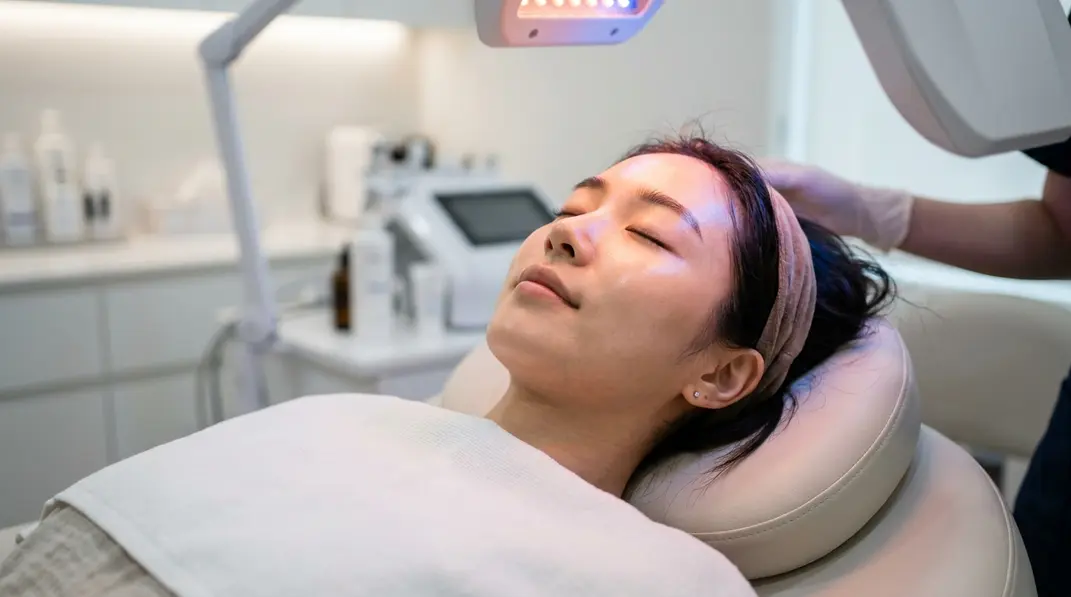
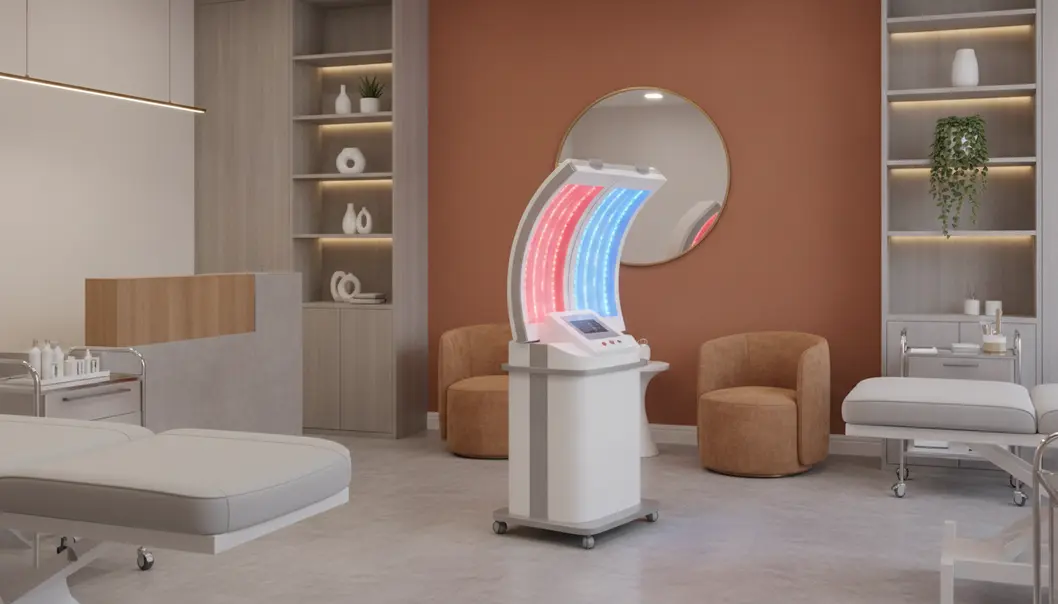
Here is how the magic happens: First, a special topical solution is applied directly to your skin. This unique solution makes your skin super sensitive to light. After a specific waiting period, your dermatologist will expose your skin to a targeted wavelength of light (usually blue or red). This brilliant light activates the medication, which then gets to work destroying targeted damaged cells, drastically shrinking oil glands, and killing the stubborn bacteria that cause acne.
PDT isn’t a one-size-fits-all treatment! The type of light used and the incubation time (how long the medication sits on your skin) are completely customized based on your specific skin concerns.
What to Expect During the Procedure 🩺
I know that undergoing any new skin procedure can feel a bit intimidating. What should I say? It is completely normal to feel nervous! Let me walk you through the typical steps so you know exactly what to expect when you sit in the dermatologist’s chair.
- Skin Preparation: Your face is thoroughly cleansed. Sometimes, a light microdermabrasion or chemical peel is performed first to help the medication absorb much better.
- Application of the Photosensitizer: A clear liquid (often Aminolevulinic Acid) is applied. You will sit with this on for anywhere from 15 minutes to a few hours, depending on the target.
- Light Activation: You will be placed under the medical light source for about 10 to 15 minutes. You might feel a warm, tingling, or slightly stinging sensation during this part.
- Post-Care: Thick physical sunscreen is applied, and you are sent home with strict instructions to avoid the sun!
For 48 hours strictly after your PDT treatment, you absolutely must avoid direct sunlight and bright indoor lighting. Your skin will be extremely photosensitive, and exposure can cause severe, painful burns!
PDT vs. Traditional Treatments 📊
You might be wondering how PDT stacks up against traditional treatments like oral antibiotics or Accutane (Isotretinoin). Let’s compare them to give you a clearer picture of your options.
| Treatment Type | Effectiveness | Common Side Effects | Downtime |
|---|---|---|---|
| PDT (Light Therapy) | High (long-term clearance) | Redness, peeling, extreme sun sensitivity | 2-5 days per session |
| Oral Antibiotics | Moderate (risk of resistance) | Stomach upset, yeast infections | None |
| Isotretinoin (Accutane) | Very High | Severe dry skin, liver strain, mood changes | Months of dryness |

Real-Life Case Study & Costs 💰
Let’s look at a practical example. Meet Sarah, a 28-year-old who struggled endlessly with cystic acne. She decided to undergo PDT after all topical treatments failed her. I think looking at real scenarios helps ground these medical concepts into reality!
📝 Sarah’s PDT Journey
- The Setup: 3 targeted sessions spaced 4 weeks apart.
- The Experience: She felt a moderate stinging during the light application, somewhat like a harsh sunburn.
- The Result: By week 12, her active breakouts had reduced by an incredible 85%, and her daily oil production drastically dropped.
So, how much does this cost? Depending on your exact location and the clinic’s prestige, a single session can range from $300 to $800. Since multiple sessions are usually required, it is definitely a financial investment.
🔢 PDT Total Cost & Recovery Estimator
Plan your treatment budget and calculate your required strict indoor recovery time!
📝 Summary & Final Thoughts
We have covered a ton of ground today! To wrap things up beautifully, let's take a look at the key takeaways from our deep dive into PDT.
PDT Quick Review
FAQ ❓
I truly hope this deep dive into Photodynamic Therapy has cleared up some of your pressing questions! Dealing with stubborn skin issues is never easy, but knowing all your options empowers you to make the absolute best decision for your health. Disclaimer: This article is for general informational purposes and should never replace professional medical advice. Always consult a certified dermatologist to see if PDT is right for your unique skin.
Have you ever tried light therapy, or do you have any more questions about the PDT process? Feel free to ask in the comments below! I'd love to hear all about your personal skincare journey. 😊