Have you ever looked in the mirror and wished those stubborn dark spots or acne scars would just magically disappear? Honestly, I completely understand the struggle! 😊 Dealing with hyperpigmentation can be so frustrating, and finding the right treatment is overwhelming. That’s why so many skincare enthusiasts are booking flights to Seoul. Today, we are diving into everything you need to know about getting a picosecond laser treatment in Korea.
What is a Picosecond Laser? 🤔
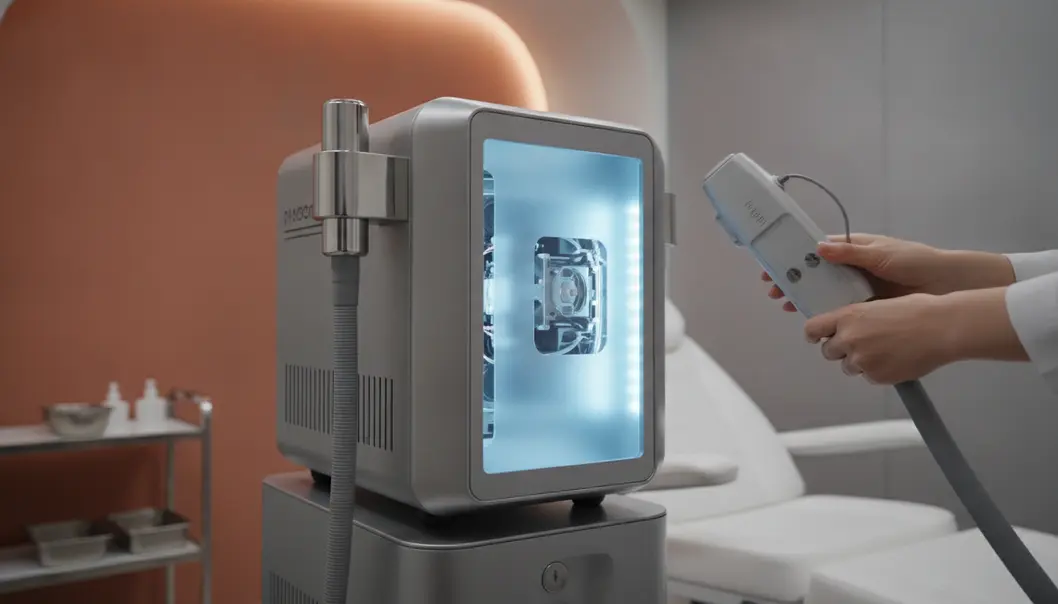
To put it simply, a picosecond laser is a revolutionary skincare treatment that fires laser energy in incredibly short bursts—measured in picoseconds (one trillionth of a second). Because it works so fast, it shatters pigmentation into tiny dust-like particles without burning the surrounding skin. I think it’s truly a game-changer for people with sensitive skin who worry about heat damage from older lasers.
In Korean clinics, you’ll often hear names like PicoSure, PicoWay, or the locally manufactured PicoPlus. They are all top-tier devices, but your dermatologist will choose the best one based on your specific skin concerns and pigmentation depth!
Why Choose Korea for Your Treatment? ✈️
South Korea is often called the skincare capital of the world, and for good reason! Korean dermatologists perform these procedures dozens of times a day, meaning their expertise is virtually unmatched. Plus, the highly competitive market in Seoul makes treatments surprisingly affordable compared to Western countries. It really is a win-win situation!
Comparing Pico to Traditional Lasers 📊
If you’re wondering how picosecond lasers stack up against older technologies like Q-Switched nanosecond lasers, let’s break it down. The difference is quite literally night and day when it comes to comfort and recovery!
| Feature | Picosecond Laser | Traditional Q-Switched |
|---|---|---|
| Pulse Duration | Trillionths of a second | Billionths of a second |
| Pain Level | Low to Moderate | Moderate to High |
| Downtime | 1-3 Days (Mild redness) | 5-7 Days (Scabbing) |
After any laser treatment, your skin is highly vulnerable. Failing to apply generous amounts of SPF can actually make your pigmentation worse! Always pack a broad-spectrum sunscreen.
Cost Estimator & Patient Journey 🧮
Costs can vary widely depending on the clinic’s location (such as Gangnam versus other districts) and the specific machine used. However, it’s generally much more affordable than you might expect. Let’s look at a realistic scenario!
📝 Example: Sarah’s Pigmentation Journey
Sarah travelled to Seoul to treat her stubborn melasma and post-acne marks.
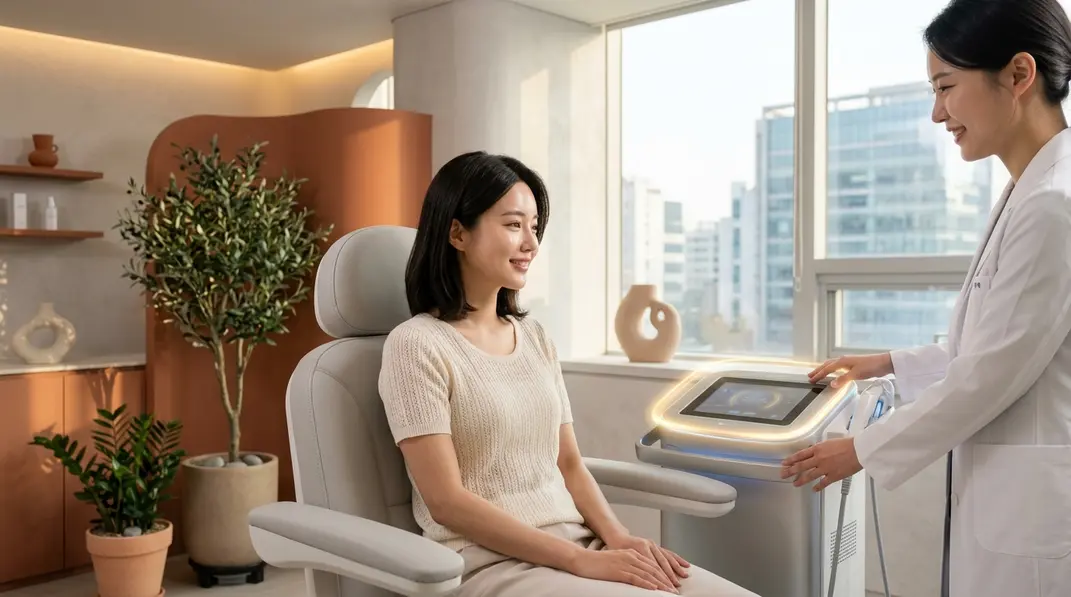
- Consultation: Used an advanced 3D skin analyzer to map deep pigmentation layers.
- Treatment: Received standard Pico Toning (averaging around $100 to $150 USD per session).
- Result: After just 3 sessions scheduled over a month, her dark spots faded visibly by 70%, leaving her complexion glowing!
🔢 Basic Treatment Cost Calculator (USD)
Estimated Clinic Cost: $ USD
*Note: Prices are estimates based on 2023 averages. Always consult with the clinic directly for precise quotes.

📝 Summary & Final Thoughts
Before you book your ticket to Seoul, let's wrap up the key takeaways from our deep dive into Korean picosecond lasers! I truly believe that armed with the right information, you can make the best decision for your skin.
Pico Laser in Korea Key Points
FAQ ❓
I truly hope this guide helps you feel more confident about exploring skincare options in Korea! If you have any more questions about getting a pico laser treatment or planning your clinic visits in Seoul, feel free to ask in the comments! 😊