
Have you ever watched a K-drama and wondered how everyone’s skin looks so flawless? Or maybe you’ve heard rumors about how fast, affordable, and advanced South Korean healthcare is. To be honest, as someone who has navigated the medical system here, I can tell you that the hype is real! But if you don’t speak a word of Korean, stepping into a foreign clinic can feel incredibly intimidating, isn’t it? 😊
I still remember my first time walking into a dermatology clinic in Gangnam. I was so nervous, but the moment I stepped in, it felt more like a luxury hotel than a hospital. Today, we are going to dive deep into whether Korean clinics are actually good for foreigners. From high-tech dermatology to general checkups, I’ll walk you through everything you need to know.
Why Choose South Korea for Medical Care? 🏥
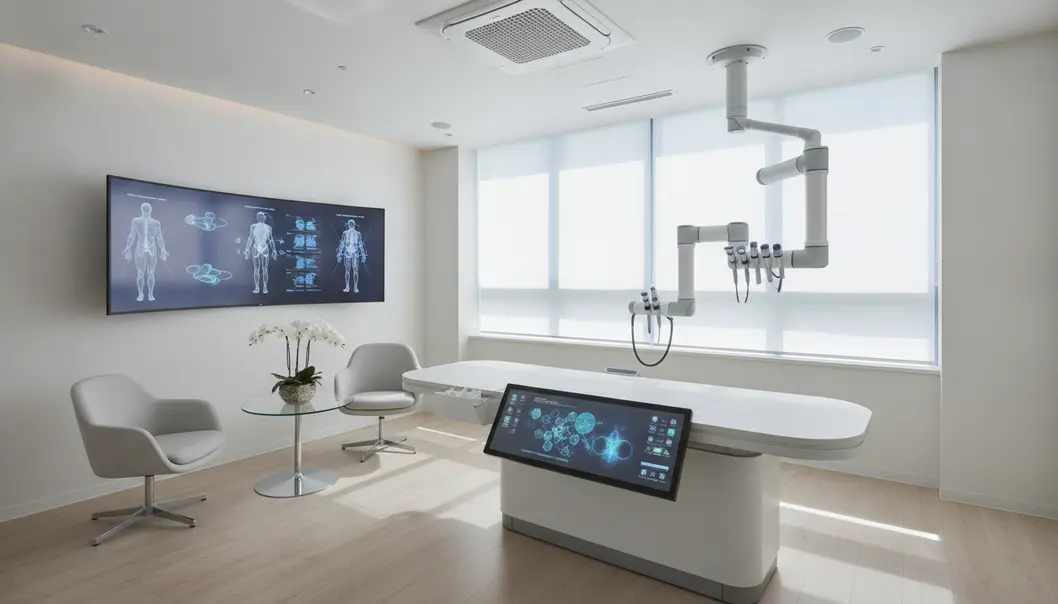
When we talk about South Korean clinics, three words come to mind: speed, technology, and affordability. The country is globally recognized for its cutting-edge medical infrastructure.
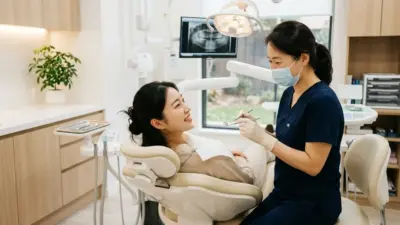
Whether you’re looking for routine dental work, a comprehensive health screening, or popular aesthetic treatments like laser facials, Korean clinics offer top-tier services at a fraction of the cost you might expect in the US, Europe, or Australia. The equipment they use is often the newest on the market, meaning you get the most effective and least painful treatments available.
Many major hospitals and specialized clinics in Seoul (especially in areas like Gangnam and Myeongdong) have dedicated “International Departments” tailored specifically for foreign patients! This means English-speaking coordinators will guide you from step one.
One thing I really love about the clinics here is the efficiency. You can often walk in, get a consultation, have a procedure done, and walk out all within a couple of hours. It’s totally amazing! The doctors are highly specialized, and because of the high volume of patients, they have incredible practical experience.
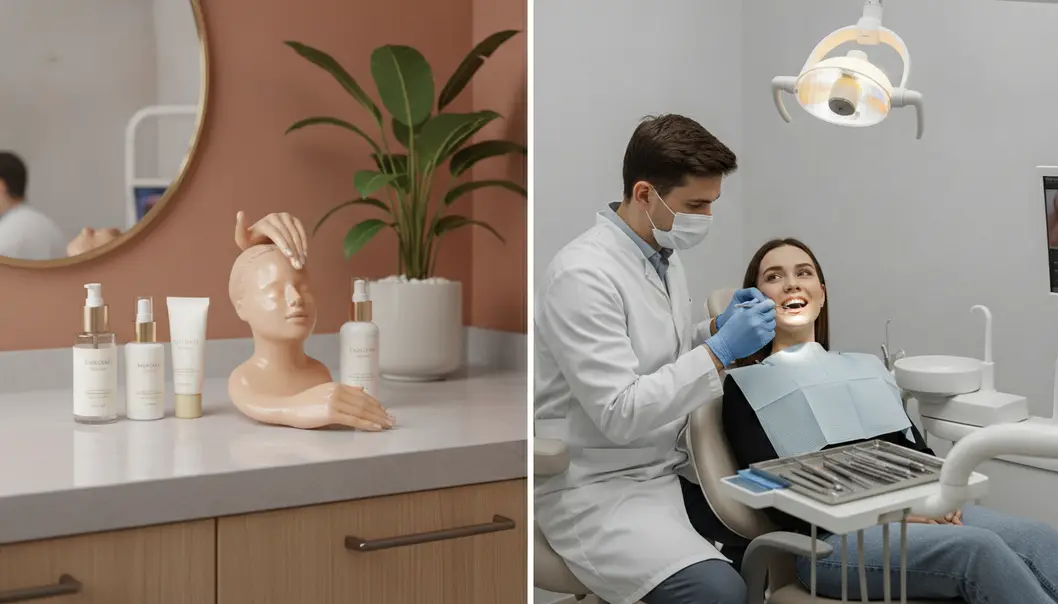
Language Barriers, Costs, and Popular Treatments 💳
Now, let’s address the elephant in the room: “Will they understand me?” The short answer is yes, mostly! Many clinics targeting foreigners have English, Chinese, and Japanese-speaking staff. Some even provide in-house translators for free during your consultation.
Be cautious of third-party medical brokers who might charge a hefty premium. It is usually best to contact the clinics directly via their official Instagram or website, or use certified government-approved medical tourism agencies.
What kind of treatments do foreigners usually get? From skin boosters like Rejuran to full-body health checks, the options are endless. Let’s take a look at a quick breakdown of popular choices.
| Treatment Type | Why it’s popular | Average Cost (Estimate) |
|---|---|---|
| Dermatology (Skin Care) | Advanced lasers (Inmode, Ultherapy), Botox, and glass-skin facials. | $50 – $500+ |
| Health Screenings | Extremely thorough, fast results, full-body MRI options in half a day. | $300 – $1,500 |
| Dentistry | Affordable scaling, whitening, and precision implants. | $30 – $1,000+ |
Let’s try a quick interactive tool to estimate your potential savings or budget! (Note: Prices vary greatly by clinic, so this is just for fun).
🔢 Treatment Budget Estimator

Practical Tips & Final Verdict ✈️
If you are planning to visit, I highly recommend downloading apps like Papago (for incredibly accurate translation) and Naver Map (for navigation), as Google Maps doesn’t work perfectly in Korea. Also, remember to bring your physical passport! Many clinics offer immediate tax refunds on aesthetic procedures right at the counter, which saves you an extra 7-10%.
Are Korean Clinics Good? Summary
FAQ ❓
To wrap things up, going to a Korean clinic as a foreigner is not only incredibly common but also highly recommended if you are looking for quality care at great prices. Have you ever visited a clinic in Korea, or are you planning to? If you have more questions, feel free to ask in the comments! 😊
Disclaimer: This article provides general information and should not replace professional medical advice. Individual experiences and prices may vary depending on personal conditions.