


Have you ever felt a sudden, sharp pain while enjoying a scoop of your favorite ice cream or a hot cup of coffee? 😅 I remember the first time I experienced that “zing” in my tooth—it was completely unexpected and, honestly, a bit scary. I think many of us tend to ignore minor toothaches, hoping they’ll just magically disappear on their own. But to be completely honest, when it comes to our dental health, ignoring the signs usually leads to much bigger problems down the road.
Today, I want to talk about something almost everyone faces at some point in their lives: tooth decay. Whether you are dealing with a tiny cavity or a severe ache that might require a root canal, understanding your treatment options can make your next dental visit much less intimidating!
Understanding Tooth Decay 🤔
Before we dive into the treatments, let’s briefly touch on what tooth decay actually is. Simply put, it’s the destruction of your tooth enamel, which is the hard, protective outer layer of your teeth. This happens when plaque—a sticky film of bacteria—constantly forms in your mouth. When you eat sugary or starchy foods, these bacteria produce acids that attack the enamel.
If caught very early, sometimes you can actually reverse the damage! Fluoride treatments applied at your dentist’s office can help remineralize the enamel. However, once a physical hole (a cavity) forms, professional dental treatment is absolutely necessary.
Saliva is your mouth’s natural defense against cavities! It washes away food particles and helps neutralize the acids produced by bacteria. Staying hydrated by drinking plenty of water throughout the day is key to a healthy smile.
Early to Moderate Treatments: Dental Fillings 🛠️
When a cavity has permanently damaged the enamel, your dentist will likely recommend a filling. They will carefully remove the decayed portion of the tooth and “fill” the empty area to restore its shape and function. But did you know there are different materials used for fillings? Let’s take a quick look at the most common ones.
| Filling Material | Pros | Cons |
|---|---|---|
| Composite Resin | Matches natural tooth color, bonds directly to the tooth | May not last as long as metal, slightly more expensive |
| Amalgam (Silver) | Very durable, excellent for back teeth, less expensive | Noticeable metallic color, requires more tooth removal |
| Gold | Extremely durable and long-lasting | Most expensive option, requires multiple visits to place |
I personally opted for a composite resin filling recently because it blends in so seamlessly with my natural teeth. It’s totally up to you and what your dentist recommends based on the location of the cavity and your budget.
When It Gets Serious: Crowns & Root Canals 🚨
Sometimes, we delay going to the dentist, and what started as a tiny, painless cavity turns into a much larger problem. If the decay is extensive and weakens a large portion of the tooth structure, a simple filling just won’t cut it. This is where dental crowns come in.
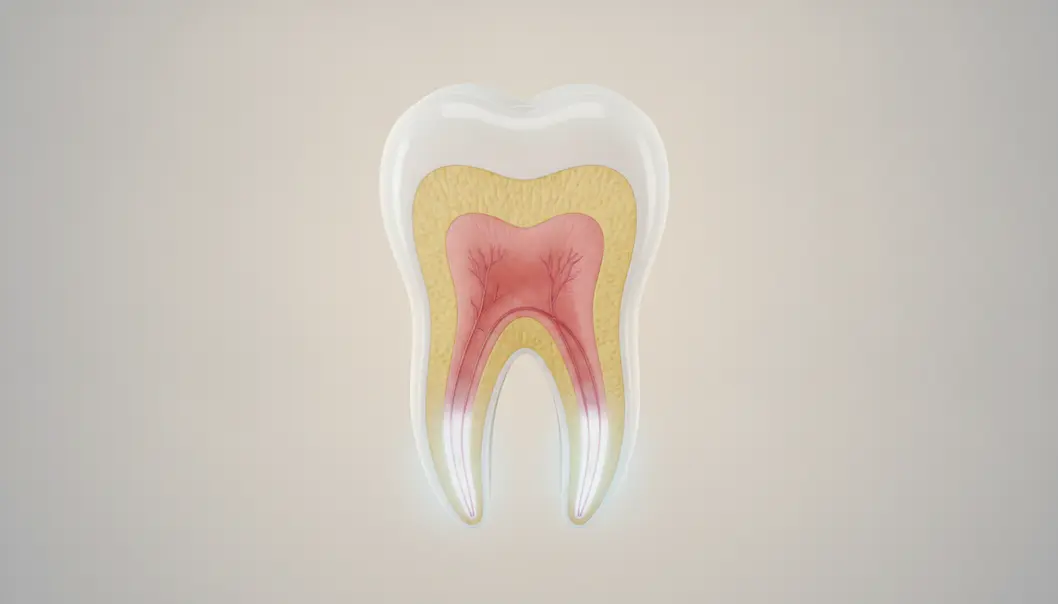
A crown is essentially a custom-fitted cap that covers the entire damaged tooth, restoring its original shape, size, and strength. Before placing a crown, the dentist will clear away all the decay. However, if the decay reaches the inner material of your tooth (known as the pulp), things get a bit more complicated—and often painful!
If you experience severe tooth pain, lingering sensitivity to hot or cold, or swelling around your gums, do not wait! These are classic signs that the nerve might be infected, and you likely need immediate professional medical care to save the tooth.
When the pulp is infected, a root canal treatment is usually the best way to save the tooth from extraction. I know, the phrase “root canal” sounds absolutely terrifying! But to be completely honest, with modern anesthesia and techniques, it feels very similar to getting a routine filling. The dentist removes the infected pulp, thoroughly cleans the inside of the root, fills it, and usually caps it with a crown to protect it from breaking in the future.
📝 Case Study: Sarah’s Root Canal Experience
Let’s look at a quick, real-world example of how a root canal typically unfolds:
- The Problem: Sarah ignored a dull, intermittent ache for months. One night, the pain became sharp and unbearable.
- The Diagnosis: An X-ray at the emergency dentist showed the decay had reached the nerve root.
- The Procedure: The dentist completely numbed the area, carefully removed the infected nerve, and sealed the tooth. Sarah felt essentially no pain during the procedure!
- The Result: Her natural tooth was saved, and that unbearable throbbing pain was completely gone by the next morning.
Interactive: Assess Your Daily Habits 🧮
Curious about how your daily habits might be affecting your cavity risk? I built a very simple little tool below based on general dental guidelines. Give it a try to see where you stand!
🔢 Basic Cavity Risk Habit Checker

📝 Summary: Protecting Your Smile
We’ve covered quite a bit of ground today! Taking care of your teeth doesn’t have to be overwhelming if you understand the steps involved in treatment and why catching decay early is so crucial.
Tooth Decay Treatment Guide
Frequently Asked Questions ❓
Disclaimer: I am sharing general information based on standard dental practices. Everyone’s dental health is entirely unique, so please make sure to consult with your own dentist for accurate diagnoses and personalized treatment plans!
Thank you so much for reading through this guide! If you have any more questions about your dental health or want to share your own experiences with dental treatments, feel free to leave a comment below. I’d love to hear from you. Keep smiling and don’t forget to brush! 😊🦷