

Have you ever looked in the mirror and thought, “If only the tip of my nose was just a little more defined?” Honestly, I completely understand! It’s amazing how a subtle change to the nasal tip can completely harmonize your facial features. 😊 Many of us struggle with a bulbous, droopy, or flat nose tip, and we don’t necessarily want to change our entire nose bridge. That’s exactly where tip plasty comes in, and when it comes to getting this done perfectly, South Korea is globally recognized as the gold standard.
Why South Korea for Tip Plasty? 🇰🇷
When I first started researching rhinoplasty, the sheer volume of information was overwhelming. But one destination kept popping up repeatedly: Seoul, specifically the Gangnam district. But why exactly is Korea so famous for this?
First of all, Korean plastic surgeons possess an unparalleled understanding of Asian facial anatomy, but their expertise extends globally. They excel in creating a natural, customized look rather than a “cookie-cutter” nose. In Korea, the trend has heavily shifted away from artificial-looking implants towards using autologous (your own) tissues, especially for the delicate tip area.
When choosing a clinic in Korea, always look for board-certified plastic surgeons (성형외과 전문의). You can usually verify this on the clinic’s website or through the Korean Society of Plastic and Reconstructive Surgeons!
Common Nose Tip Concerns Solved 👃
Before diving into the surgery itself, let’s identify what you might want to correct. Tip rhinoplasty isn’t a one-size-fits-all procedure. Here is a breakdown of the most common issues that bring people to Korean clinics:
| Nose Shape | Characteristics | Korean Surgical Approach |
|---|---|---|
| Bulbous Tip (Bok-ko) | Thick skin, wide cartilage making the tip look round. | Defatting the tip skin and suturing the alar cartilages together for a slimmer look. |
| Droopy Tip | The tip points downwards, often worsening when smiling. | Using a strong cartilage strut to support and lift the tip to an ideal angle (usually 95-105 degrees). |
| Short/Upturned Tip | Nostrils are too visible from the front (piggy nose). | Septal extension grafts to lengthen the nose and bring the tip down safely. |
Seeing these targeted approaches gave me a lot of confidence. It means the surgeon isn’t just placing an implant; they are literally rebuilding the architecture of your nose!
The Secret to a Natural Tip: Cartilage Grafts 🧬
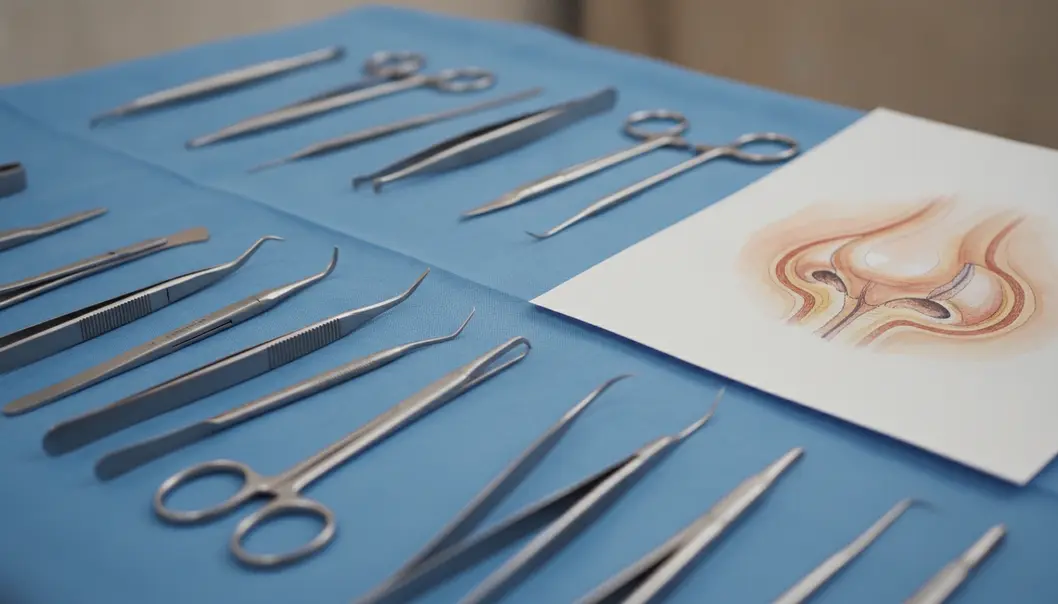
If there’s one thing you must know before getting nose tip surgery in Korea, it’s this: Silicone should NEVER be used in the nasal tip. I’ve heard too many stories of people experiencing skin thinning or extrusion because an L-shaped silicone implant was pushed into the tip. Korean doctors are highly against this practice.
Instead, they use autologous cartilage (your own body tissue). Let’s look at the three main heroes of tip plasty:
📝 The Big Three: Cartilage Types
- Ear Cartilage (Conchal): Soft and curved. Perfect for softening the tip contour and making it look natural. It’s easy to harvest, and the scar is hidden behind the ear.
- Septal Cartilage: Harvested from the inside of your nose. It’s straight and sturdy, making it the top choice for building a strong central pillar (strut) to elevate the tip.
- Rib Cartilage (Costal): Used when you need a lot of strong material, often in revision rhinoplasty or for very short, contracted noses. It provides the strongest support but requires a small incision on your chest.
If a clinic suggests using silicone or Gore-Tex all the way down to your nasal tip, I strongly recommend getting a second opinion. The safest standard is an implant (if needed) for the bridge, and 100% cartilage for the tip!
Budgeting: How Much Does it Cost? 💰
Now, let’s talk about the practical side of things. How much should you prepare? To be honest, prices in Korea can vary wildly depending on the clinic’s reputation, the surgeon’s expertise, and the materials used. Generally, primary tip plasty ranges from $2,500 to $4,500 USD, while complex revisions involving rib cartilage can exceed $7,000 USD.
🔢 Tip Rhinoplasty Cost Estimator
*This is a rough estimate for educational purposes. Actual clinic prices will vary depending on your case.

Recovery Journey: What to Expect 🛌
I know surgery sounds daunting, but Korean clinics are phenomenal at post-operative care. Many offer complimentary de-swelling treatments like LED light therapy and pumpkin juice (a Korean favorite for reducing swelling!). Here is a quick timeline of what to expect:
- Days 1-3: This is the most uncomfortable period. You’ll likely have cotton packing in your nose, making you breathe through your mouth. Swelling is at its peak.
- Day 7: Yay! This is usually when the cast and external stitches are removed. You’ll finally see the basic shape, though the tip will still look quite swollen and high.
- 1 Month: About 70% of the visible swelling is gone. You can return to most normal activities, but no contact sports!
- 6-12 Months: The tip is the last part to heal. It takes up to a year for the cartilage to fully settle and the tip to drop into its final, natural position.
📝 Summary Card
Nose Tip Surgery in Korea
FAQ ❓
Taking the leap to get rhinoplasty abroad is a huge decision, but South Korea offers some of the most skilled hands and safest techniques in the world. I hope this guide helps demystify the process for you. Remember, the goal isn’t to look like someone else, but to enhance your own natural beauty! If you have any more questions about medical tourism or specific procedures in Korea, feel free to ask in the comments! 😊
Disclaimer: I am sharing general information based on extensive research and trends in Korean plastic surgery. This should not replace professional medical advice. Always consult directly with a board-certified doctor regarding your individual health and surgical suitability.