
Have you ever looked in the mirror and gently pulled your cheeks upward, wishing they would just stay there? Trust me, I’ve been there! As we age, our skin naturally loses its elasticity, and gravity starts to take its toll. But what if I told you there’s a way to get that youthful, lifted look without going under the knife? Today, we are diving deep into the world of getting a thread lift in Korea, the undisputed capital of advanced aesthetic treatments. 😊
What Exactly is a Thread Lift? 🤔
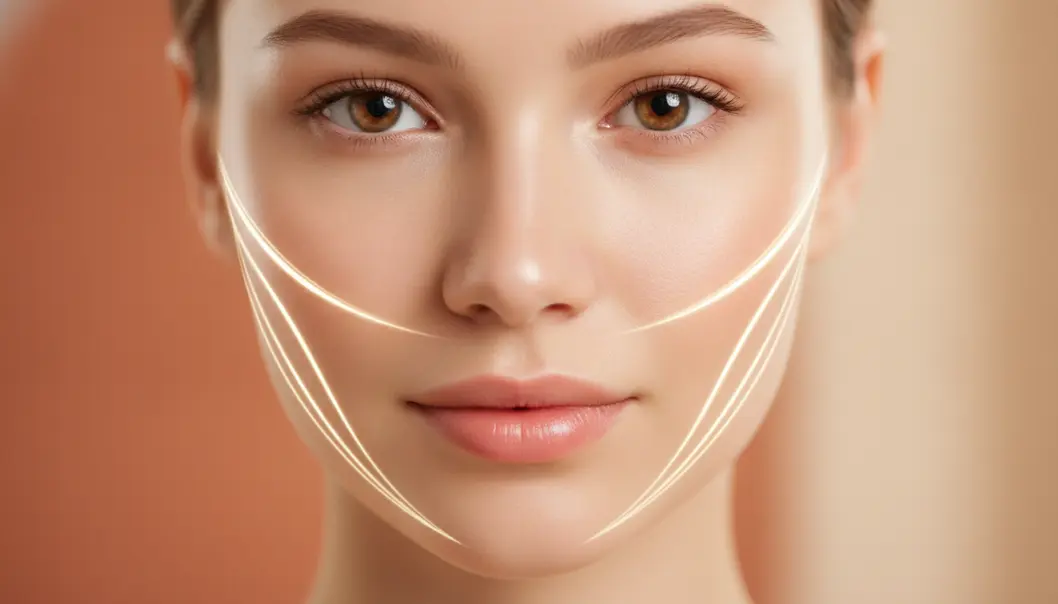
In simple terms, a thread lift is a minimally invasive procedure where temporary, medical-grade sutures are used to produce a subtle but visible lift in the skin. Instead of removing the patient’s loose facial skin surgically, the aesthetic doctor simply suspends it by stitching portions of it. This has the effect of pulling the skin back slightly and therefore lifting and tightening the face. What I find really fascinating is that these threads don’t just lift; they also stimulate your body’s natural collagen production!
It is often called the “lunchtime facelift” because the procedure typically takes less than an hour, and you can often go right back to your daily activities!
Why Choose Korea for a Thread Lift? 🇰🇷
You might be wondering, “Why should I fly all the way to South Korea for this?” Well, to be honest, Korea’s medical aesthetic industry is years ahead of many other countries. The clinics in Seoul, especially in areas like Gangnam, are renowned for their cutting-edge techniques and highly experienced specialists.
Korean doctors perform these procedures so frequently that their precision and artistry are unmatched. They don’t just aim to pull your skin back; they focus on creating a harmonious, natural, V-shaped contour that suits your specific facial structure. Plus, the cost is often significantly lower than what you’d pay in the US or Europe, even when factoring in flights!

Types of Threads Used in Korea 🧵
Not all threads are created equal! When you visit a Korean clinic, you’ll likely hear about three main types of threads. Let’s break them down simply so you know what you’re getting into.
| Thread Type | Characteristics | Longevity |
|---|---|---|
| PDO (Polydioxanone) | Great for lifting and collagen stimulation. The most common type. | 6 to 12 months |
| PLLA (Poly-L-Lactic Acid) | Excellent for adding volume to hollow areas. | 12 to 18 months |
| PCL (Polycaprolactone) | Very flexible and provides the longest-lasting results. | Up to 24 months |
While thread lifts are generally safe, they are not a substitute for a full surgical facelift if you have severe skin sagging. Always consult with a board-certified doctor to see if you are an ideal candidate!
Estimated Cost & Budgeting Calculator 🧮
Let’s talk numbers! In the West, a thread lift can easily cost upwards of $2,500 to $5,000. In Korea, however, because the market is highly competitive and materials like Mint threads are produced locally, prices are incredibly reasonable. Often, you can get a premium treatment for $800 to $1,500!
🔢 Korea Thread Lift Cost Estimator

The Procedure & Recovery Timeline ⏳
So, what actually happens on the day of your treatment? Let me share a typical timeline so you know exactly what to expect when you walk into a Korean skin clinic.
📝 Typical Clinic Journey
- Step 1: Consultation. The doctor will assess your facial structure and discuss your goals, often using 3D imaging.
- Step 2: Numbing. Local anesthesia or numbing cream is applied to ensure you are comfortable.
- Step 3: The Lift. The doctor expertly inserts the threads using a cannula. You might feel some tugging, but it generally isn’t painful.
- Step 4: Aftercare. You’ll be given a cooling pack and specific aftercare instructions. You can walk right out!
Korea Thread Lift Summary
FAQ ❓
To sum it all up, getting a thread lift in Korea is a fantastic option if you’re looking for high-quality, cost-effective anti-aging treatments. Personally, I think the combination of advanced technology and skilled doctors makes it totally worth the trip!
Disclaimer: The information provided in this article is for general informational purposes only and should not be considered medical advice. Always consult with a qualified healthcare professional before undergoing any cosmetic procedure.
If you have any more questions about medical tourism or my thoughts on the procedures, feel free to ask in the comments below! 😊