If you’re anything like me, you’ve probably spent countless hours staring at the mirror, frustrated by stubborn blackheads or unexpected breakouts just before a big event. 😩 Honestly, finding the right skincare treatment can feel like searching for a needle in a haystack. But let me tell you about a game-changer I recently discovered: the Beta Peel. It completely transformed my oily, acne-prone skin, and I’m so excited to share everything I know with you today! 😊
What Exactly is a Beta Peel? 🤔
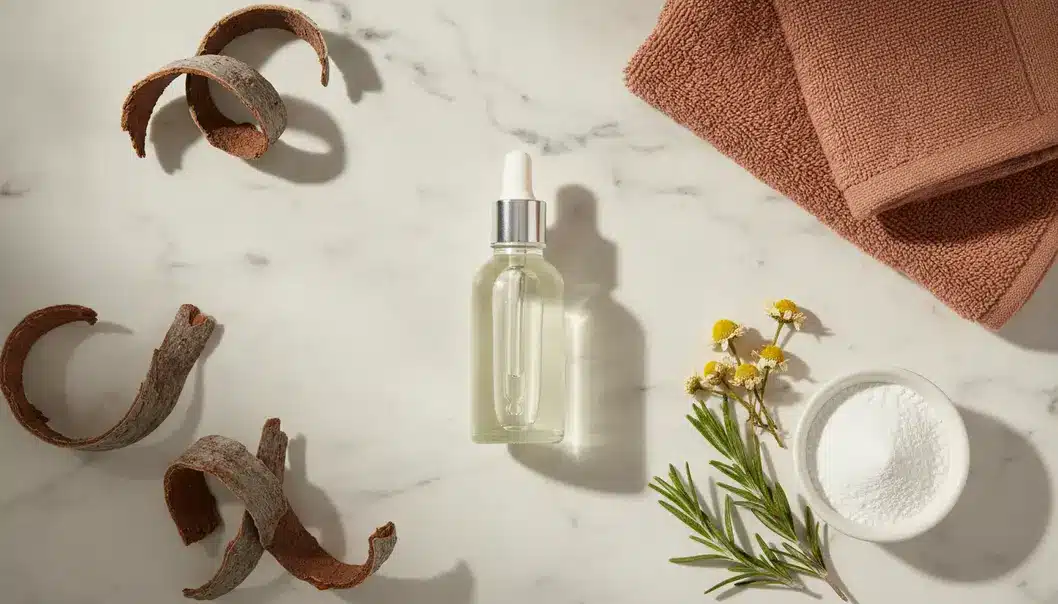
A Beta Peel is a type of chemical peel that primarily uses Beta Hydroxy Acid (BHA), with salicylic acid being the absolute star of the show. Unlike other gentle exfoliants that only work on the surface, BHAs are oil-soluble. What does that mean for us? It means the acid can actually penetrate through the oil (sebum) in our pores to dissolve dead skin cells and clear out the gunk from the inside!
I think of it as a deep-cleaning vacuum for your pores. It doesn’t just sweep the floor; it gets right into the carpets. This makes it an absolute hero for those of us struggling with oily skin or acne.
Because salicylic acid is related to aspirin, it also has natural anti-inflammatory properties! This means a Beta Peel not only clears pores but also reduces the angry redness associated with breakouts.
Beta Peel vs. Alpha Peel: Which is Right for You? 📊
You might be wondering, \”What’s the difference between a Beta Peel (BHA) and an Alpha Peel (AHA like glycolic acid)?\” To be honest, it was totally confusing for me at first too! Let’s break it down simply so you can see why the Beta Peel might be your skin’s new best friend.
| Feature | Beta Peel (BHA) | Alpha Peel (AHA) |
|---|---|---|
| Solubility | Oil-soluble (Penetrates pores deeply) | Water-soluble (Works on the surface) |
| Best For | Oily, acne-prone, blackheads, enlarged pores | Dry, sun-damaged, fine lines, uneven texture |
| Key Ingredient | Salicylic Acid | Glycolic Acid, Lactic Acid |
| Irritation Level | Often less irritating due to anti-inflammatory traits | Can be tingling or stinging depending on strength |
If you have a known allergy to aspirin, you should definitely avoid salicylic acid peels! Also, if you are pregnant or nursing, please consult with your dermatologist before trying a Beta Peel, as BHAs are generally restricted during this time.
What to Expect: Prep, Process, and Aftercare 🧴
Getting a chemical peel can sound a bit scary, right? I know I was nervous before my first session! But knowing what to expect makes all the difference. Here is a quick rundown of the typical process.
📝 The Beta Peel Timeline
- Before the Peel: Stop using retinoids or harsh exfoliants 3-5 days prior. You want your skin to be calm.
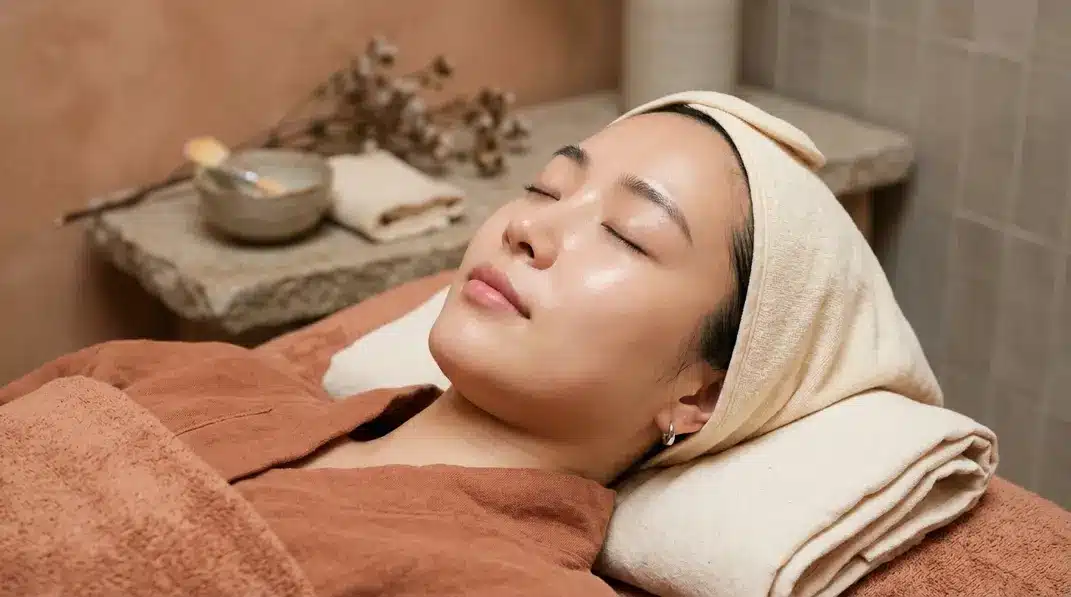
- During the Peel: The esthetician applies the solution. You might feel a mild tingling or warmth, but it shouldn’t burn terribly. It usually stays on for a few minutes before being neutralized.
- After the Peel: Your skin might look a bit pink. Over the next 2-4 days, you may experience light flaking (like peeling after a mild sunburn). DO NOT pick at it!
🔢 Check Your Beta Peel Readiness
Not sure if it’s the right time for a peel? Let’s do a quick check!
📝 Summary & Quick Overview
We’ve covered a lot of ground today! If you are just skimming, here is a quick visual summary of why Beta Peels are absolutely amazing.
Beta Peel Cheat Sheet
FAQ ❓
Dealing with acne and oily skin can be a long journey, but discovering treatments like the Beta Peel really gave me hope and confidence back. I truly hope this guide helps you understand whether it’s the right step for your skincare routine!
Have you ever tried a chemical peel before, or are you still on the fence about it? I’d love to hear about your experiences or any worries you might have. Feel free to leave a comment below or ask any questions you have! 😊 Let’s get that glowing skin together!