Have you ever looked in the mirror and thought you looked tired, even after a full eight hours of sleep? I completely understand that feeling. For years, I struggled with heavy eyelids that made me look sleepy and even caused forehead wrinkles from constantly raising my brows to see clearly. 😊 If this sounds familiar, you might be dealing with a condition called ptosis. Today, we’re going to dive deep into why ptosis correction in Korea has become the gold standard for treating this issue.
What Exactly is Ptosis? 🤔
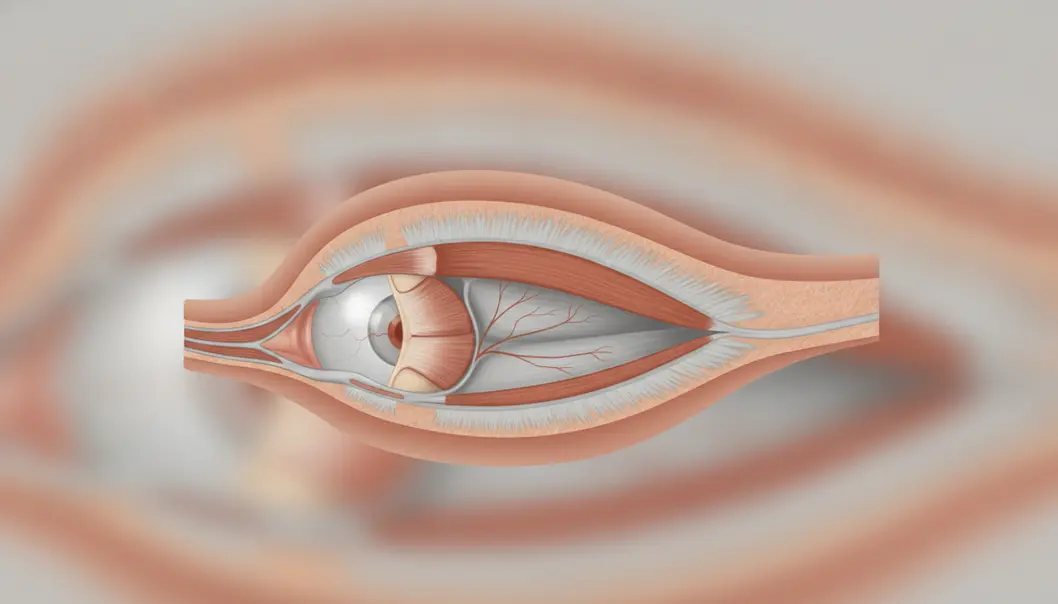
Before packing your bags for a medical trip to Seoul, let’s understand what we’re actually talking about. Ptosis (pronounced toe-sis) is simply the medical term for a droopy upper eyelid. It happens when the muscle responsible for lifting your eyelid, known as the levator muscle, weakens or stretches out over time or due to genetics.
Because of this, people with ptosis often rely on their forehead muscles to open their eyes wider, which leads to unwanted forehead wrinkles and headaches. Ptosis correction is a specialized procedure designed to tighten this specific muscle, allowing your eyes to open fully, comfortably, and naturally.
Many people confuse standard double eyelid surgery with ptosis correction. While double eyelid surgery just creates a cosmetic crease, ptosis correction actually improves the eye’s mechanical opening power!
Why Choose South Korea? 🇰🇷
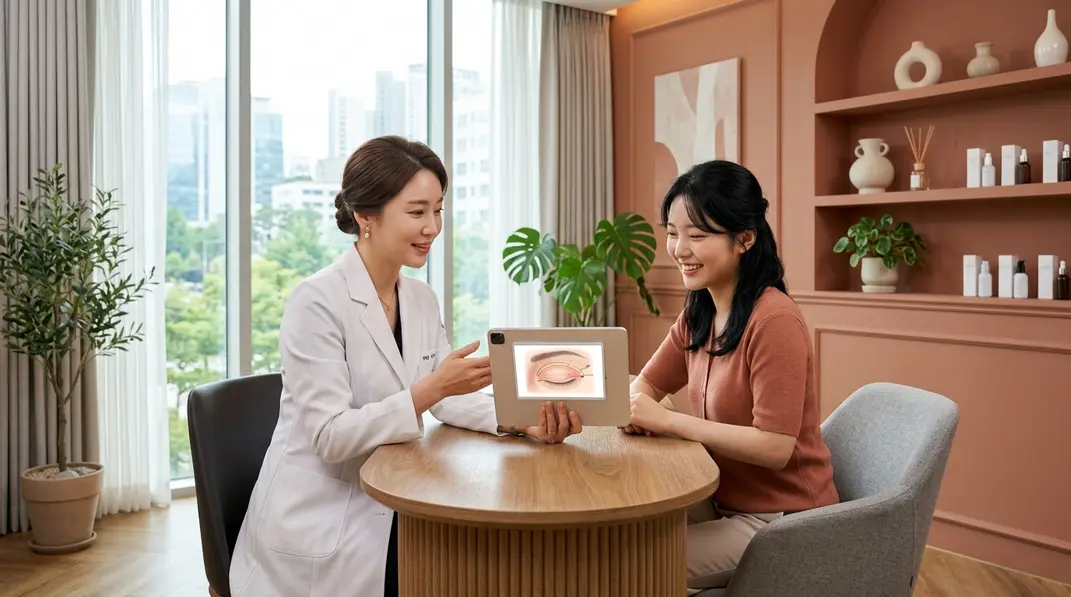
South Korea is globally renowned for its advanced cosmetic surgery techniques, particularly when it comes to delicate eye procedures. Korean plastic surgeons possess an incredible understanding of Asian eye anatomy, but they are equally skilled in tailoring treatments for patients from all over the world.
The two main methods used in top Korean clinics are Non-incisional and Incisional ptosis correction. Let’s compare them to see which might be the best fit for your eyes!
| Method | Best For | Recovery Time | Scarring |
|---|---|---|---|
| Non-Incisional | Mild ptosis, thin eyelid skin | 3-7 days | Invisible (Micro-holes used) |
| Incisional | Moderate to severe ptosis, thick skin | 1-2 weeks | Fades neatly into the crease |

Costs and Financial Preparation 💰
One of the most common questions I get from readers is, \”How much does this actually cost?\” In South Korea, the price of ptosis correction is incredibly competitive given the high quality of care, but it can vary based on the clinic’s reputation, the surgeon’s expertise, and the complexity of your specific case. On average, you can expect to pay anywhere from $1,500 to $3,500 USD for a primary surgery.
Beware of clinics offering promotional prices that seem far too low. It’s crucial to choose a board-certified plastic surgeon. Fixing a botched eyelid surgery (revision surgery) is vastly more expensive and emotionally draining than getting it right the first time!
📝 Example: A Medical Tourist’s Typical Budget
- Surgery (Incisional Method): ~$2,500 USD
- Accommodation (7 nights in Gangnam): ~$700 USD
- Medication & Pumpkin Juice (for swelling): ~$100 USD
Total Estimated Medical Trip Budget (excluding flights): $3,300 USD
To give you a better idea of what you might spend on your personal journey, try out our simple cost estimator below. This will help you plan your trip more effectively before reaching out for official consultations.
🔢 Korea Trip Budget Calculator

Recovery Process and Aftercare 👩⚕️
To be completely honest, the recovery process is much faster and less intimidating than most people anticipate! For the first 48 hours, you’ll want to apply ice packs constantly to minimize swelling. Sleeping with your head elevated on a couple of fluffy pillows works absolute wonders, too.
Most clinics in Korea provide exceptional post-operative aftercare, which often includes deswelling laser treatments and LED light therapy sessions to speed up healing. By day 7, when the stitches are typically removed (if you opted for the incisional method), the major swelling goes down significantly, and you can comfortably return to your normal daily activities.
Quick Summary Guide
📝 Conclusion: Key Takeaways
Opting for ptosis correction in Korea is a fantastic choice if you’re seeking natural results and world-class medical expertise. Here is a quick wrap-up of what we learned today:
- Accurate Diagnosis is Key: Ensure you actually have ptosis, rather than just excess eyelid skin.
- Choose the Right Method: Let your certified surgeon guide you between non-incisional and incisional based on your anatomy.
- Don’t Compromise on Quality: Korea offers competitive pricing, but always prioritize the surgeon’s credentials over the cheapest available cost.
I truly hope this guide helps you on your journey to achieving those bright, beautiful eyes you’ve always wanted! If you have any more questions about traveling to Korea for surgery or need advice on finding a clinic, feel free to ask in the comments! 😊
FAQ ❓
Disclaimer: The information provided in this article is for educational purposes only and does not constitute medical advice. Please consult with a board-certified medical professional to discuss your specific situation.