
Let’s be honest—going through a nose job only to be disappointed with the results is an incredibly frustrating experience. 😔 I completely understand how disheartening it can feel when the reflection in the mirror isn’t what you hoped for. Whether it’s an aesthetic dissatisfaction, like asymmetry, or a functional breathing issue, needing a second surgery is daunting. But don’t lose hope! Many people from all over the world travel for a nose revision in Korea to correct these exact issues and finally achieve the look they desire.
Why Choose South Korea for Nose Revision? 🤔
South Korea is globally renowned as the mecca of plastic surgery. But when it comes to revision rhinoplasty, the stakes are much higher. A revision surgery is inherently more complex than a primary one because the original tissue has been altered, and scar tissue has formed. Korean surgeons are celebrated for their meticulous precision, advanced techniques, and extensive experience handling complex nasal structures for both Asian and Western patients.
Not all plastic surgeons are experts in revisions. Always ensure your chosen doctor in Korea is a board-certified specialist with a dedicated portfolio of revision rhinoplasties.
To give you a better idea of what makes a revision different, let’s compare it directly to your first surgery.
| Factor | Primary Rhinoplasty | Revision Rhinoplasty |
|---|---|---|
| Complexity | Moderate | High (scar tissue, altered anatomy) |
| Surgery Time | 1.5 – 3 hours | 3 – 5+ hours |
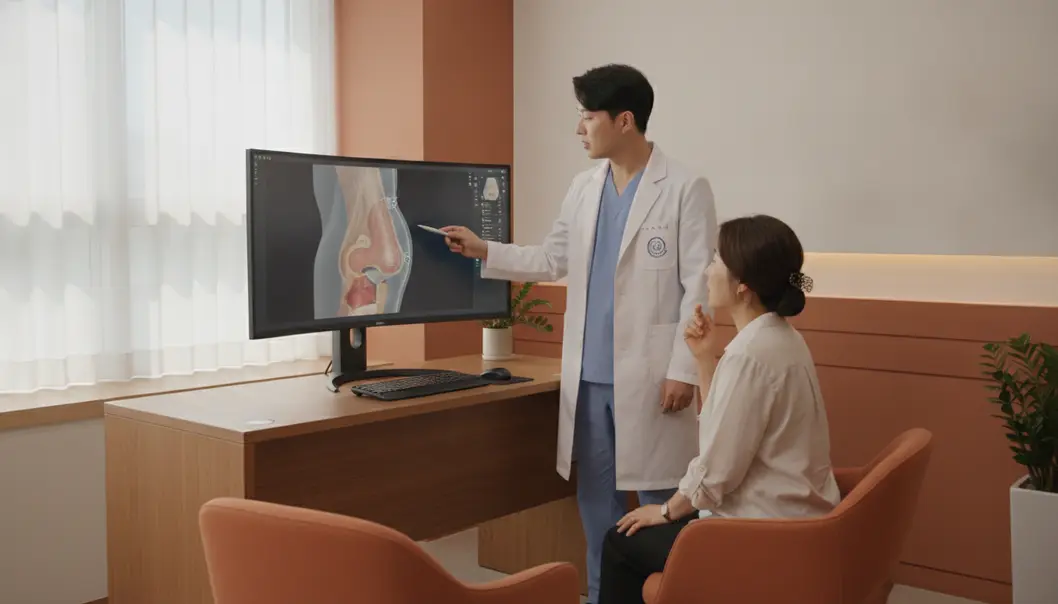
| Preparation | Standard consultation | Extensive 3D CT scans & planning |
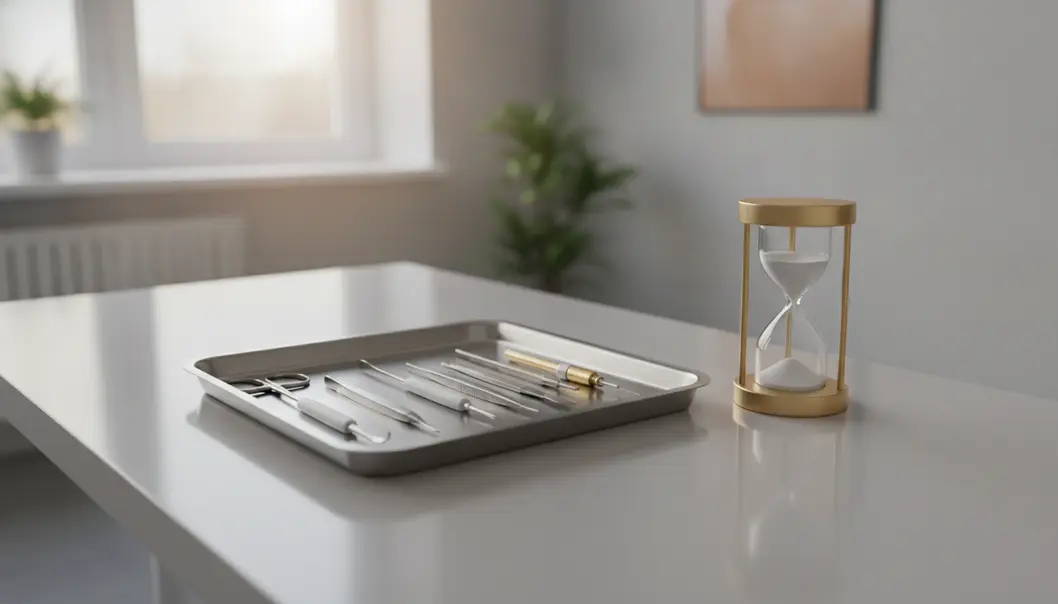
The Golden Rule: Timing is Everything ⏳
One of the most common questions I hear is, \”How soon can I get my nose fixed?\” I know the urge to rush into surgery is strong, but patience is your best friend right now. Medical experts unanimously agree that you should wait at least 6 to 12 months after your previous surgery before attempting a revision.
Operating too soon can lead to severe complications, tissue necrosis, or unpredictable results because the swelling hasn’t fully subsided and the scar tissue is still active.
Understanding the Costs in Korea 🧮
Cost is naturally a huge factor. While Korea is generally more affordable than countries like the US or UK for medical procedures, revision rhinoplasty is a premium service. The price depends heavily on the materials used (e.g., ear cartilage vs. donated rib vs. autologous rib) and the complexity of the reconstruction.
🔢 Estimated Revision Cost Calculator
Select your preferred material to get a rough baseline estimate (in USD). Note that this is purely for estimation.

Case Study: Rebuilding with Rib Cartilage 📚
Let’s look at a common scenario in Korean clinics. When previous surgeries deplete the nasal septum, surgeons often need stronger support to rebuild the nose.
📝 Example Patient: Contracture (Upturned Nose)
- Issue: Severe scar tissue caused the nose tip to pull upward (often called a ‘piggy nose’ or contracture).
- Solution: The surgeon carefully removed the old silicone implant, released the tight scar tissue, and used the patient’s own rib cartilage (autologous rib) to create a sturdy, lengthened tip structure.
- Outcome: A natural, downward-sloping tip with restored breathing functionality and a softer aesthetic.
📝 Summary
Before booking your ticket to Seoul, let’s wrap up everything you need to keep in mind.
💡 Key Takeaways
FAQ ❓
I hope this guide has given you a clearer picture of what to expect when considering a nose revision in Korea. Remember, this is about reclaiming your confidence! Do you have any specific concerns about the surgery, or are you wondering which clinics to check out? Let me know in the comments below, and I’d be happy to share more insights! 😊
Disclaimer: This article is for informational purposes only and does not substitute professional medical advice. Always consult with a board-certified plastic surgeon regarding your specific medical conditions and treatment options.