
Have you ever looked in the mirror and noticed a bit of fullness under your jawline that just won’t go away, no matter how much weight you lose? Honestly, I’ve been there, and it can be incredibly frustrating. Many of us automatically assume it’s just stubborn fat or an overdeveloped jaw muscle. But did you know it could actually be your salivary glands? 😊
Today, we’re going to dive into a topic that’s gaining a lot of attention in the aesthetic and medical world: Submandibular Gland Botox. Let’s explore what it is, how it works, and whether it might be the hidden secret to that sharp, contoured jawline you’ve been dreaming of.
What Exactly is the Submandibular Gland? 🤔
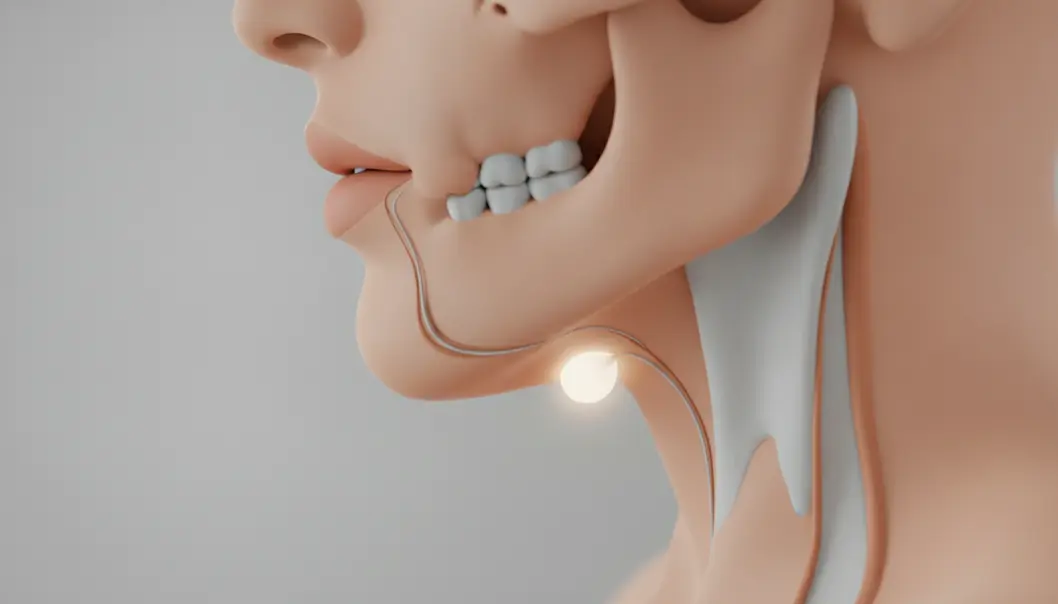
The submandibular glands are two major salivary glands located just under the jawline, one on each side. Their main job is to produce saliva to help us digest food. However, in some people, these glands can become enlarged or hyper-reactive—a condition formally known as submandibular gland hypertrophy.
When this happens, the glands bulge out, creating a heavy appearance under the chin or making the lower face look wide and bulky. I think it’s completely normal to feel self-conscious about this! Often, it’s caused by genetics, the natural aging process, or even simple habits like frequent snacking or chewing gum.
If the bulge is closer to your ear and feels rock hard when you clench your teeth, it’s likely your masseter muscle. If it’s softer and sits lower under the jawbone, it might be the submandibular gland!
How Does Botox Help? 💉
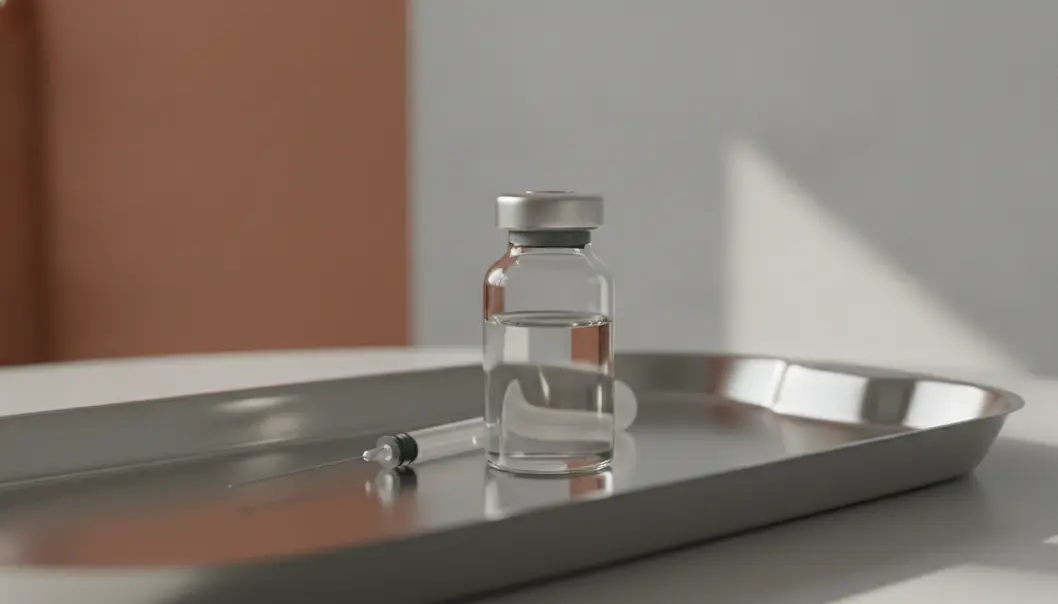
You might be wondering, \”Botox for a salivary gland?\” Exactly! While we usually associate Botox with smoothing out wrinkles on the forehead, it actually works by temporarily blocking nerve signals. When strategically injected into the submandibular gland, it reduces the gland’s activity and, over a few weeks, causes it to shrink in size. This can dramatically improve your lower facial contour, giving you that \”snatched\” look.
| Treatment | Target Area | Best For |
|---|---|---|
| Masseter Botox | Jaw Muscle | Teeth grinding, wide lower jaw |
| Submandibular Botox | Salivary Glands | Bulging under the jawline, excess saliva |
| Chin Liposuction | Submental Fat | Double chin primarily caused by fat |
Because the treatment reduces saliva production, you might experience a temporary dry mouth. It’s really important to stay hydrated! In rare cases, if the injection isn’t placed correctly, it can affect nearby muscles used for swallowing or smiling. Always choose an experienced, board-certified provider.
📝 Example: A Typical Patient Journey
- Week 1: The procedure takes about 10 minutes. Minimal pain, like a tiny pinch.
- Week 2-3: You might notice slightly less saliva in your mouth, but visually, changes are still subtle.
- Week 4-6: The magic happens! The glands shrink, revealing a tighter, much more defined jawline.
🔢 Maintenance Timeline Calculator
Curious about when you’ll need your next treatment? Let’s estimate based on typical clinical results.

📝 Summary & Final Thoughts
To be honest, discovering that those jawline bulges might just be overactive salivary glands is a huge game-changer for many people. Let’s quickly recap what we’ve covered today!
Submandibular Botox Summary
FAQ ❓
I truly hope this guide has helped shed some light on submandibular gland botox. It’s amazing how a simple procedure can make such a big difference in how we feel about our profiles. If you have any more questions, are curious about the procedure, or want to share your own experiences, please feel free to leave a comment below! I’d love to hear from you. 😊