
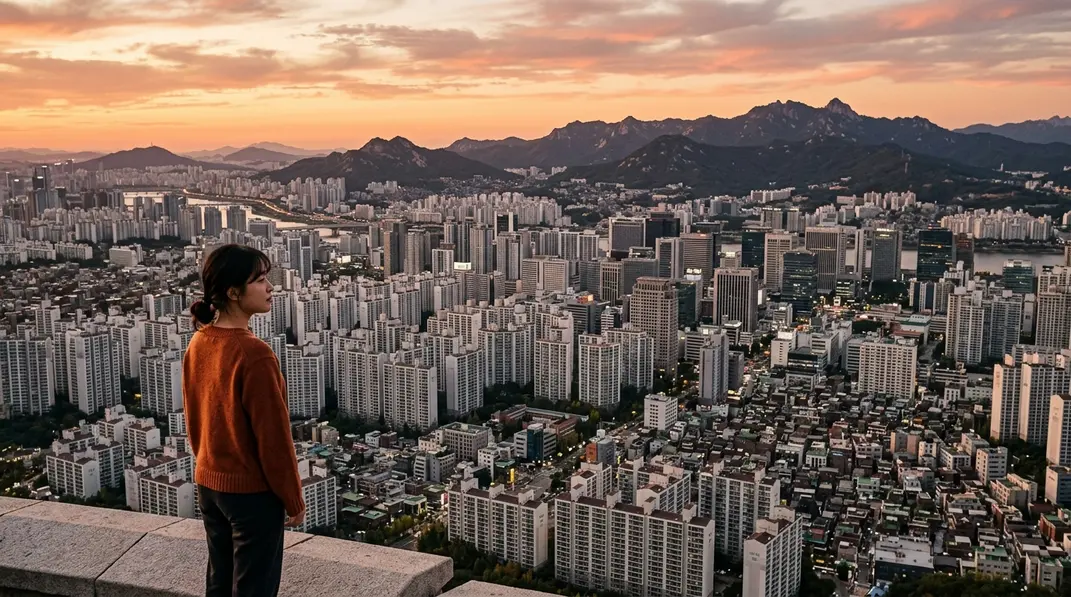
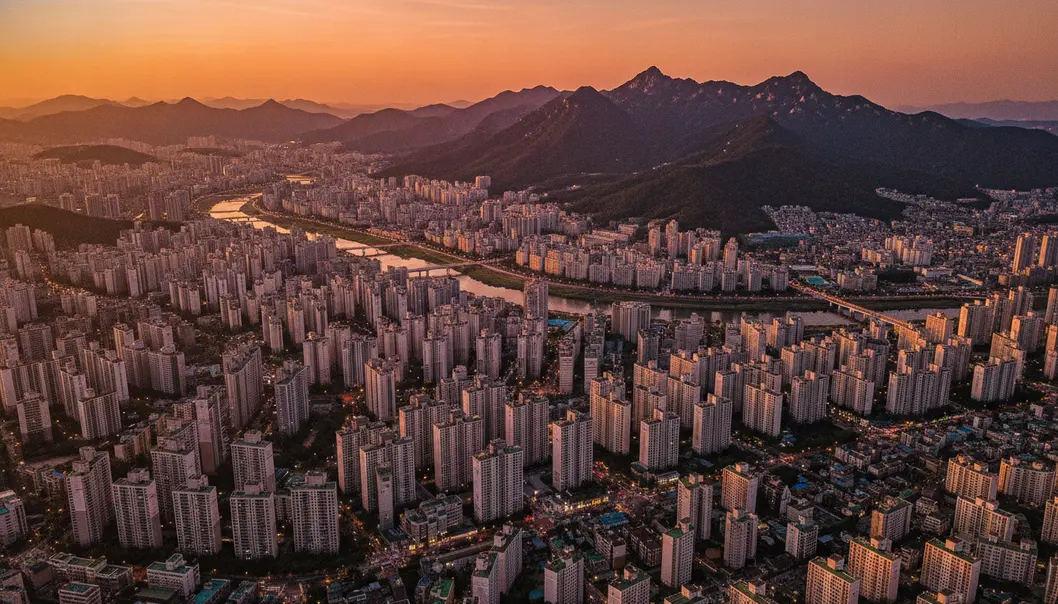
Have you ever tried catching a subway train in Seoul during the morning rush hour? If you have, you know exactly what I mean when I say it’s an experience you’ll never forget! 😅 Being squeezed between dozens of commuters, I often catch myself wondering how so many people fit into this small peninsula. To be honest, it’s fascinating and overwhelming at the same time.
The Reality of the Numbers 📊
When we talk about South Korea, we are talking about a country with roughly 51 million people living in an area about the size of the US state of Indiana. I think that puts things into perspective, doesn’t it? But here is the kicker: about 70% of the country is covered in mountains. This means almost everyone is squeezed into just 30% of the available land!
Don’t be fooled by the national average density! The reality is heavily skewed. More than half of the entire population lives in the Seoul Capital Area, making it one of the most packed metropolitan regions globally.
| Country | Population Density (per km²) | Context |
|---|---|---|
| South Korea | ~515 | Highly concentrated in urban areas |
| United States | ~36 | Vast habitable landmass |
| United Kingdom | ~280 | Relatively high in Europe |
How Density Shapes Culture 🏃♂️
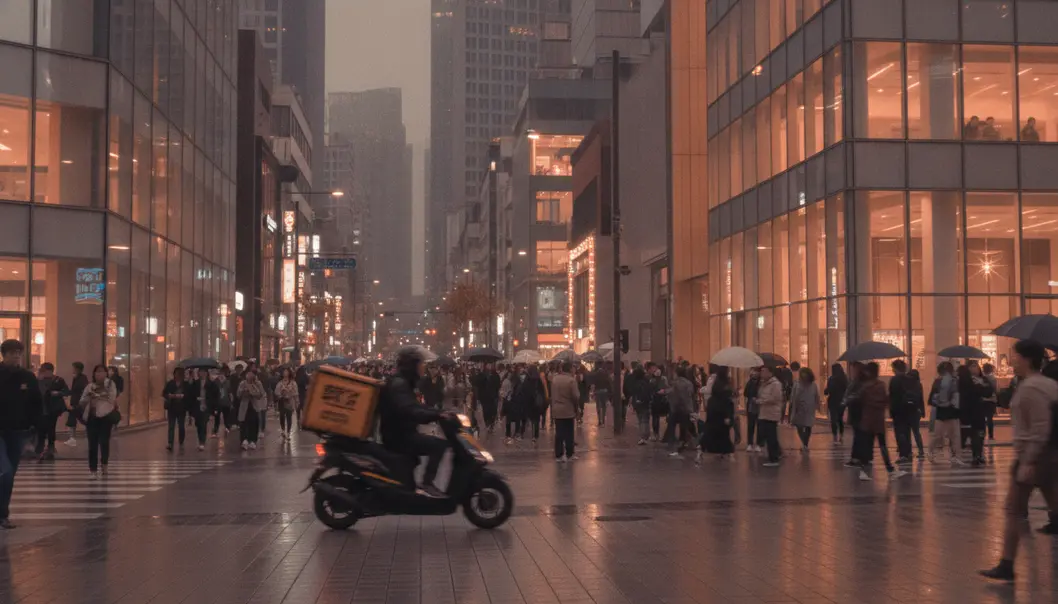
Because everyone lives so close together, the lifestyle here has evolved uniquely. Have you heard of the Pali-Pali (hurry up) culture? It’s really something else! When you have millions of people navigating the same space, extreme efficiency becomes a matter of survival.
This high density is actually the secret behind Korea’s world-famous overnight delivery services and ultra-fast internet. Less physical distance to cover means infrastructure is cheaper to build and goods get to you faster!
📝 Example: The Vertical Mini-Cities
In Seoul, standalone houses are rare. Most people live in massive high-rise apartment blocks. I once visited a friend’s apartment complex that had its own underground mall, hospital, gym, and school right inside the gates! It’s effectively a self-sustaining mini-city built vertically to maximize space.
🔢 Density Comparison Calculator
Want to see how your hometown compares to Seoul’s intensity? Enter your local population and land area below!
What Does the Future Hold? 🔮
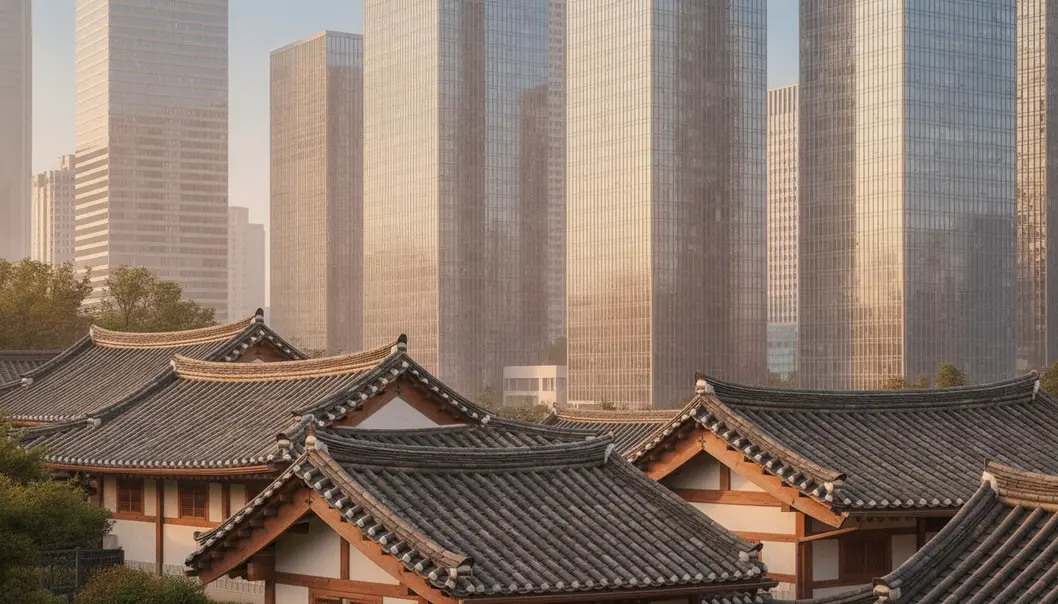
While extreme density has fueled South Korea’s rapid economic growth and unmatched convenience, it also brings unique challenges. We are currently facing a steep demographic cliff with incredibly low birth rates. I’m not entirely sure how this will reshape the cities in 50 years, but it’s bound to trigger a massive shift in how space is used!
Density Korea at a Glance
FAQ ❓
Did you enjoy diving into the busy, bustling world of Density Korea? I hope this gave you a fresh perspective on how geography can shape an entire culture! If you have any thoughts, experiences, or questions, feel free to share them in the comments below! 😊