
Have you ever looked in the mirror and gently pulled the outer corners of your eyes slightly upward, wondering what it would look like if they naturally sat that way? I think almost all of us have done that at least once! 😊 Whether you’re looking to achieve a more exotic “cat-eye” or “almond” shape, or you’re dealing with droopy lower eyelids that make you look tired even when you’ve had a full eight hours of sleep, you are definitely not alone.
To be honest, the world of cosmetic eye surgery can feel overwhelmingly complex. You hear terms like blepharoplasty, canthopexy, and canthoplasty thrown around, and it’s enough to make anyone’s head spin! Today, we are going to focus specifically on canthoplasty. We’ll walk through what it really is, how it differs from similar procedures, what the recovery is like, and what you should consider before taking the leap.
What Exactly is Canthoplasty? 🤔
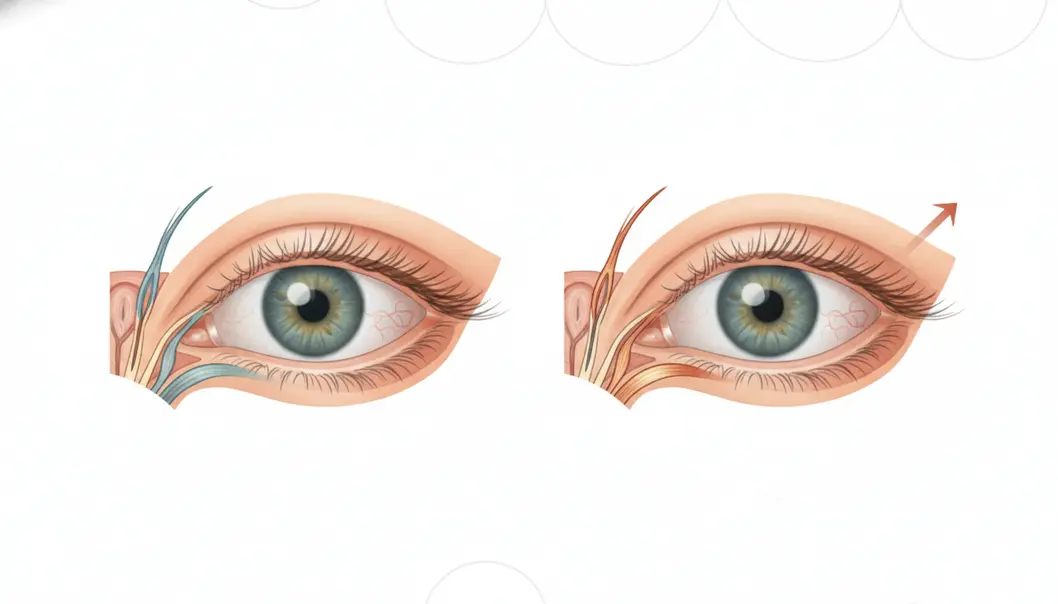
In simple terms, canthoplasty is a specialized surgical procedure designed to reshape or reposition the outer corner of the eye, which is medically known as the lateral canthus. The main goal here is to widen the eye, alter its natural tilt, or provide crucial support to a lower eyelid that has started to sag due to aging or previous surgeries.
During the surgery, a specialized plastic surgeon or oculoplastic surgeon will actually cut the tendon at the outer corner of the eye, detach it, and then reposition and tighten it before stitching it back into place. This is what creates that permanent, lifted structure. It is a structural change, not just a surface-level skin lift.
Canthoplasty isn’t exclusively for cosmetic purposes! It is often performed for functional reasons, such as treating ectropion (where the lower eyelid turns outward) which causes severe dry eyes and irritation.
Canthoplasty vs. Canthopexy: What’s the Difference? ⚖️
One of the most common questions I hear is about the difference between canthoplasty and canthopexy. They sound nearly identical, don’t they? While both target the outer eye corner, the techniques and outcomes are quite distinct.
| Feature | Canthoplasty (Cutting) | Canthopexy (Suturing) |
|---|---|---|
| The Technique | The lateral canthal tendon is cut and repositioned. | The tendon is tightened with sutures without being cut. |
| Best For… | Significant reshaping, changing eye tilt, or severe sagging. | Mild drooping, enhancing support without changing eye shape. |
| Recovery Time | Slightly longer, usually 1 to 2 weeks for initial healing. | Faster, often a few days to a week. |
| Results | More dramatic and permanent structural changes. | Subtle, acts more like a “support bra” for the lower lid. |
If you really want to change the almond shape or the upward slant of your eyes, canthoplasty is usually the way to go. However, a reputable surgeon will assess your facial anatomy to recommend the best option.

The Procedure and Costs Involved 💰
So, what actually happens on the day of the surgery? The procedure typically takes about 1 to 2 hours and is usually performed under local anesthesia with some light sedation. This means you’ll be awake but highly relaxed, and you won’t feel any pain during the process.
When it comes to cost, it can be a bit of a wild card. Prices fluctuate wildly based on your geographical location, the surgeon’s expertise, and whether you are combining it with other procedures like a blepharoplasty (eyelid lift). On average, in the US, you can expect to pay anywhere from $2,500 to $6,000.
🔢 Estimated Procedure Cost Calculator
Use this simple tool to get a rough estimate of what your canthoplasty might cost based on additional procedures and region. (Note: This is just an estimate!)
Recovery Timeline and Tips ⏳
Recovery is arguably the most nerve-wracking part for many people. Let’s be real—your eyes will look pretty swollen and bruised right after the surgery. It might look a bit scary in the mirror, but I promise it’s a completely normal part of the healing process!
- Days 1-3: Maximum swelling and bruising. You’ll need to keep your head elevated and use cold compresses diligently.
- Day 7: Sutures are usually removed around this time. The swelling will start to subside noticeably.
- Weeks 2-4: Most patients feel comfortable returning to work and normal social activities. Makeup can usually be worn again.
- Months 3-6: Final results settle in as residual internal swelling completely dissipates and scar tissue softens.
Do not rush your recovery! Avoid strenuous exercise, heavy lifting, and rubbing your eyes for at least 3-4 weeks. Complications like infection, asymmetry, or dry eye syndrome can occur if post-op instructions aren’t strictly followed.
📝 Example: Sarah’s Journey
To give you a better idea, consider a case like Sarah, a 35-year-old who felt her naturally downward-slanting eyes made her look perpetually sad.
- The Goal: Achieve a neutral or slightly upward almond tilt.
- The Procedure: Lateral canthoplasty without blepharoplasty.
- The Result: After 3 weeks of recovery, her eyes appeared lifted, giving her a refreshed, vibrant appearance without looking “overdone.”

📝 Summary & Key Takeaways
We’ve covered a lot of ground today! To wrap things up, let’s look at the absolute most important points you should take away from this guide if you are considering a canthoplasty.
Canthoplasty at a Glance
FAQ ❓
Deciding to undergo cosmetic surgery is an incredibly personal choice, and I hope this article has helped demystify the world of canthoplasty for you. It’s truly amazing what modern techniques can achieve, providing both cosmetic confidence and functional relief. If you have any more questions about the procedure, recovery, or anything else, please feel free to ask in the comments! 😊
Disclaimer: The information provided in this post is for general educational purposes only and should not be considered medical advice. Always consult with a qualified healthcare professional regarding any medical procedures.