
Have you ever hit a wall during your workout or just felt sluggish throughout the day? I know I have! A few years ago, I was struggling to keep my energy up at the gym. A friend recommended trying a pre-workout supplement, and that’s when I first stumbled upon a fascinating ingredient called L-arginine. To be honest, it totally changed my routine! 😊
What Exactly is Arginine? 🤔
L-arginine (often just called arginine) is a semi-essential amino acid. What does “semi-essential” mean? Well, under normal circumstances, our bodies can produce enough of it on their own. However, during times of stress, illness, or intense physical training, we might need a little extra from our diet or supplements to keep things running smoothly.
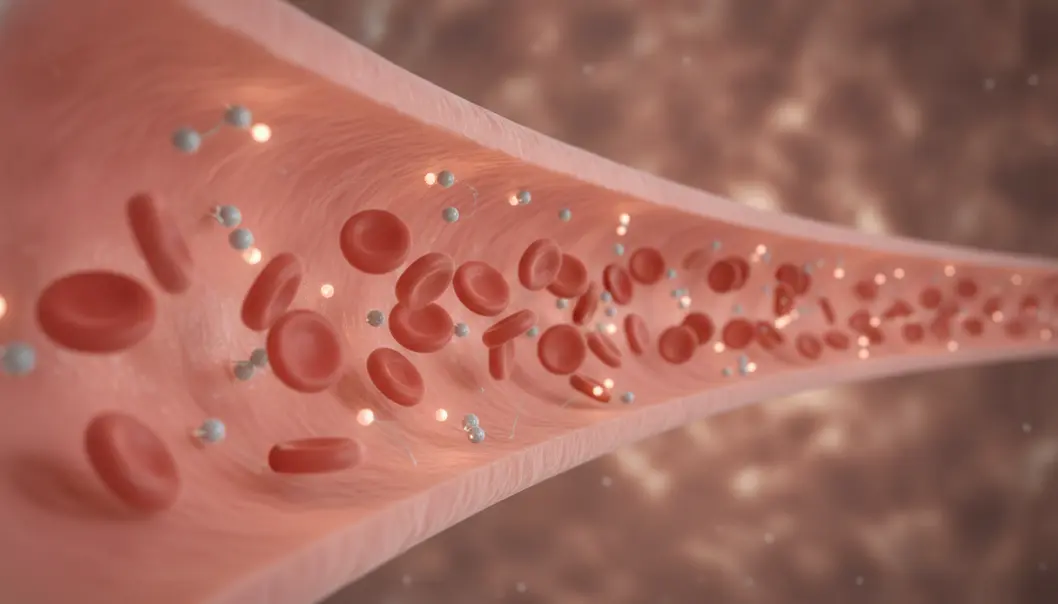
The real magic of arginine lies in its ability to convert into Nitric Oxide (NO) in the body. Nitric oxide is a powerful neurotransmitter that helps blood vessels relax and improve circulation. Think of it like opening up a multi-lane highway for your blood, allowing nutrients and oxygen to travel freely and efficiently! 🚗💨
You don’t always need pills to get arginine! It’s naturally found in protein-rich foods like red meat, poultry, fish, dairy, and especially in seeds like pumpkin seeds and peanuts. Incorporating these into your diet is a great natural boost.
The Amazing Benefits of L-Arginine 💪
So, why do so many athletes and health enthusiasts rave about it? I was skeptical at first, but the research (and my own experience) speaks volumes. Let me break down the most evidence-backed benefits for you.
- Enhanced Exercise Performance: By boosting nitric oxide, arginine helps deliver more oxygen to working muscles. This means better stamina, reduced fatigue, and that highly sought-after “muscle pump” during weightlifting.
- Blood Pressure Support: Many studies suggest that the vasodilating (blood-vessel-widening) effects of arginine can help maintain healthy blood pressure levels by easing the tension in blood vessel walls.
- Heart Health: Improved circulation is fantastic for overall cardiovascular health. When blood flows effortlessly, your heart doesn’t have to work as hard to pump it around your body.
It’s truly fascinating how a single amino acid can have such a profound impact on our circulatory system, isn’t it?

How to Use Arginine & Safety First ⚖️
Now that you’re excited about the benefits, let’s talk about how to actually use it. Honestly, figuring out the right dose was totally confusing for me at first. Should I take it before working out? With food? Let’s clear that up so you don’t have to guess.
Taking too much arginine at once can cause gastrointestinal upset—think stomach cramps or diarrhea, which is definitely not fun. Also, if you are prone to cold sores (herpes simplex virus), high arginine intake can sometimes trigger outbreaks, as the virus uses arginine to replicate. Always consult your doctor if you have existing health conditions!
Arginine vs. Citrulline: The Great Debate
If you spend time looking at supplement labels, you might have heard of another ingredient called L-Citrulline. Interestingly, your body actually converts citrulline into arginine! Many experts prefer citrulline for long-term nitric oxide boosting because it’s absorbed better in the gut. Let’s compare them side-by-side:
| Feature | L-Arginine | L-Citrulline |
|---|---|---|
| Absorption Rate | Poor to Moderate (a large portion is broken down in the liver) | Excellent (bypasses the liver, converts directly to arginine in the kidneys) |
| Best Used For | Immediate, short-term NO spikes (ideal right before a workout) | Sustained NO levels, overall long-term endurance and recovery |
| Typical Dose | 3 to 6 grams per day | 6 to 8 grams per day |
🔢 Arginine Pre-Workout Estimator
Curious about how much you might need before a workout? This simple calculator provides a general estimate based on body weight. (Note: Always start low to test your tolerance!)
📝 Example: A Typical Workout Day Routine
To give you a better idea of how to fit this into your life, here is how I typically structure my arginine intake on a training day:
- 6:00 PM: Finish work, grab a very light carb-based snack.
- 6:30 PM: Take 3-5g of L-arginine with 8oz of water. Taking it on a relatively empty stomach ensures faster absorption without competing with other amino acids.
- 7:00 PM: Hit the gym! I usually experience better blood flow and a satisfying muscle pump by my second exercise.
- 8:30 PM: Have a post-workout meal rich in complete proteins to support overall muscle recovery.

Arginine Key Takeaways
📝 Summary
To wrap things up, L-arginine is an incredible amino acid that plays a vital role in keeping our circulatory system functioning optimally. When our blood flows freely, every organ in our body reaps the benefits. Here is a quick recap of what we covered today:
- It’s a Vasodilator: It converts to Nitric Oxide, expanding blood vessels and improving circulation.
- Performance Enhancer: Great for pre-workout energy, stamina, and reducing fatigue.
- Alternative Options: If arginine hurts your stomach, L-citrulline is a highly effective alternative that your body will convert into arginine anyway.
FAQ ❓
Thank you so much for reading! I hope this guide clears up any confusion you had about L-arginine and how it works in the body. Have you ever tried taking a nitric oxide booster before? How was your experience? If you have any more questions, feel free to ask in the comments below! 😊