
Have you ever looked in the mirror and felt totally frustrated by a sudden breakout or dull, tired skin? I’ve definitely been there! 😊 For the longest time, my only solution was booking an appointment with a local dermatologist, waiting months to be seen, and walking out with a strong prescription cream. But recently, the incredible hype around Korean dermatology clinics got me thinking—what exactly are they doing differently over there? To be honest, diving into the world of K-derm completely changed how I view skincare and professional treatments.
The Core Philosophy: Prevention vs. Treatment 🤔
If I had to summarize the biggest difference in one sentence, it would be this: Korean dermatology focuses on prevention and maintaining a healthy skin barrier, while Western dermatology primarily focuses on treating existing medical diseases.
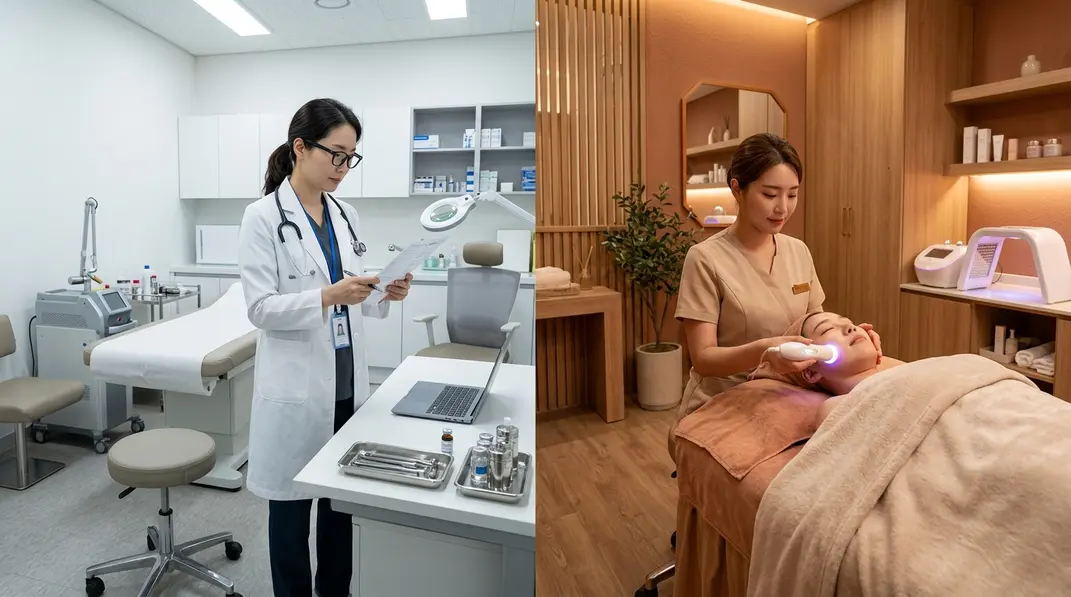
In the West, going to the dermatologist is usually a reactive measure. We only go when something is visibly wrong—like severe cystic acne, suspicious moles, or painful rosacea. The treatments often rely heavily on prescription medications such as oral antibiotics, Accutane, or strong retinoids. The goal is to aggressively target and eliminate the problem.
On the flip side, visiting a skin clinic in Korea is often viewed as regular self-care, much like going to the gym or getting your hair trimmed. They view the skin as a delicate ecosystem. It’s all about maintaining a hydrated, resilient skin barrier so problems don’t arise in the first place. You’ll often hear them talk about “water-oil balance” rather than “eradicating bacteria.”
If you have a serious, active skin condition (like severe eczema or an infection), a Western medical dermatologist is absolutely your best bet. But for overall skin quality, anti-aging, and achieving that coveted “glass skin,” Korean clinic approaches are unmatched!
How Treatments Differ: Gentle Layering vs. Targeted Action 📊
Because of their fundamentally different philosophies, the actual treatments you receive vary wildly. Western doctors tend to favor aggressive, targeted interventions. Think strong chemical peels, high-percentage active ingredients, and ablative lasers meant to aggressively resurface the skin. It’s highly effective for scarring and severe issues, but it often comes with significant downtime and peeling.
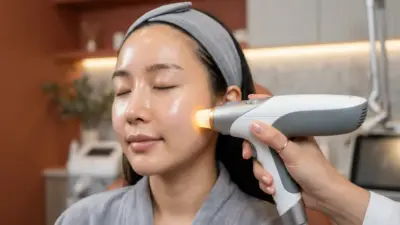
Korean clinics, however, love a gentle, multi-layered approach. They frequently utilize non-invasive machines, hydrating skin boosters (like Rejuran Healer, Juvelook, or hyaluronic acid injections), and extremely light lasers (like Pico toning) with virtually zero downtime. They want you to leave the clinic looking glowing and ready for your day, not red and hiding behind a mask.
| Feature | Western Dermatology | Korean Dermatology |
|---|---|---|
| Main Goal | Curing medical skin diseases | Enhancing skin texture & ultimate glow |
| Typical Tools | Prescriptions, strong peels, ablative lasers | Skin boosters, gentle lasers, ultrasound |
| Frequency | Every few months or once a year | Weekly or bi-weekly maintenance visits |
| Acne Approach | Drying agents, oral medications | Gentle extractions, soothing masks, LED |
The Clinic Experience: Cost and Accessibility 💸
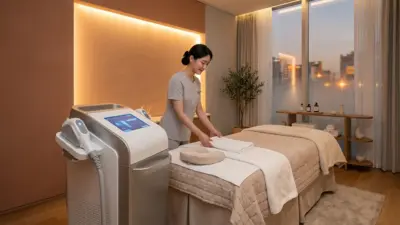
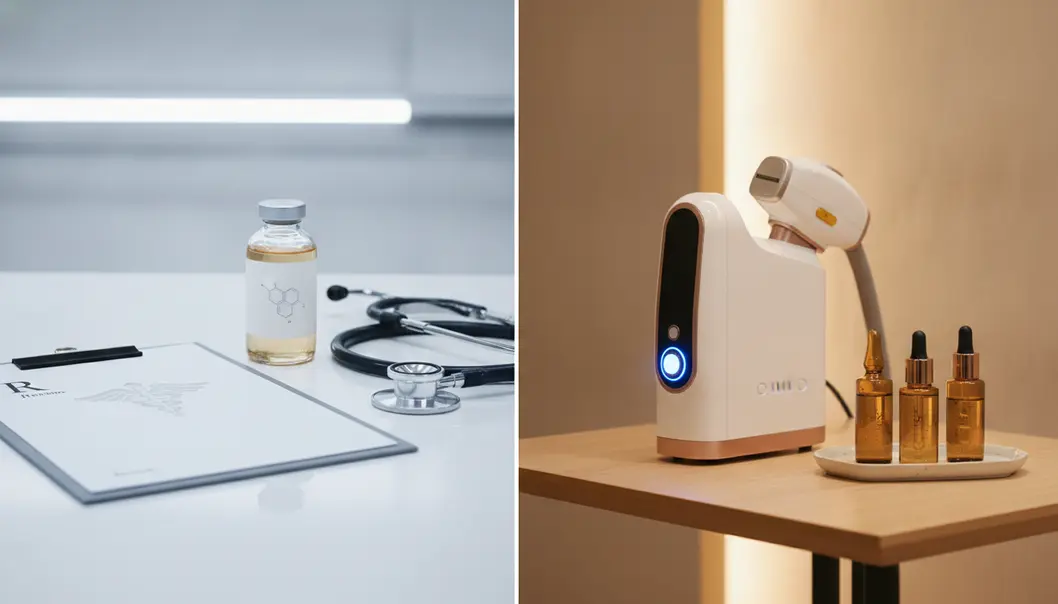
Let’s talk about the elephant in the room: cost and accessibility. I was totally amazed when I learned about the clinic culture in Seoul. Clinics are located on almost every corner in bustling areas like Gangnam. This intense competition drives prices down significantly and pushes innovation forward at lightning speed. You can often simply walk in, get a thorough consultation, have a laser toning session, and be out in an hour—sometimes for less than $50 to $100!
In contrast, visiting a dermatologist in the US, UK, or Europe often requires a referral from a general practitioner, a frustratingly long wait time, and a hefty consultation fee before any actual treatment even begins. Aesthetic treatments in the West are firmly considered a luxury. In Korea, they are heavily integrated into daily life, making high-tech skincare accessible to college students and office workers alike.
While Korean treatments are often gentler, combining too many lasers or skin boosters at once without giving your skin time to rest can actually damage your skin barrier. Always honestly communicate your skin history to the doctor, and avoid over-exfoliating at home post-treatment!
🔢 Skincare Pathway Calculator
Wondering which dermatological approach better aligns with your current skin needs and budget? Try this fun, quick calculator!

Conclusion: Which Approach is Right for You? 👩💻👨💻
Ultimately, I think it’s safe to say that neither approach is inherently “better” than the other—they simply serve entirely different purposes based on different cultural philosophies. I personally love utilizing the best of both worlds! I rely on the science of Western dermatology for serious skin concerns and evidence-backed actives, but I lean heavily into Korean principles for daily hydration, barrier repair, and non-invasive glow-boosting maintenance.
Key Takeaways
Frequently Asked Questions ❓
I really hope this deep dive helped clarify the amazing, yet distinct, worlds of Korean and Western dermatology! Have you ever visited a K-beauty skin clinic, or are you thinking of booking a flight to Seoul just for the skincare? I’d genuinely love to hear your thoughts. If you have any more questions about specific treatments, feel free to ask in the comments! 😊