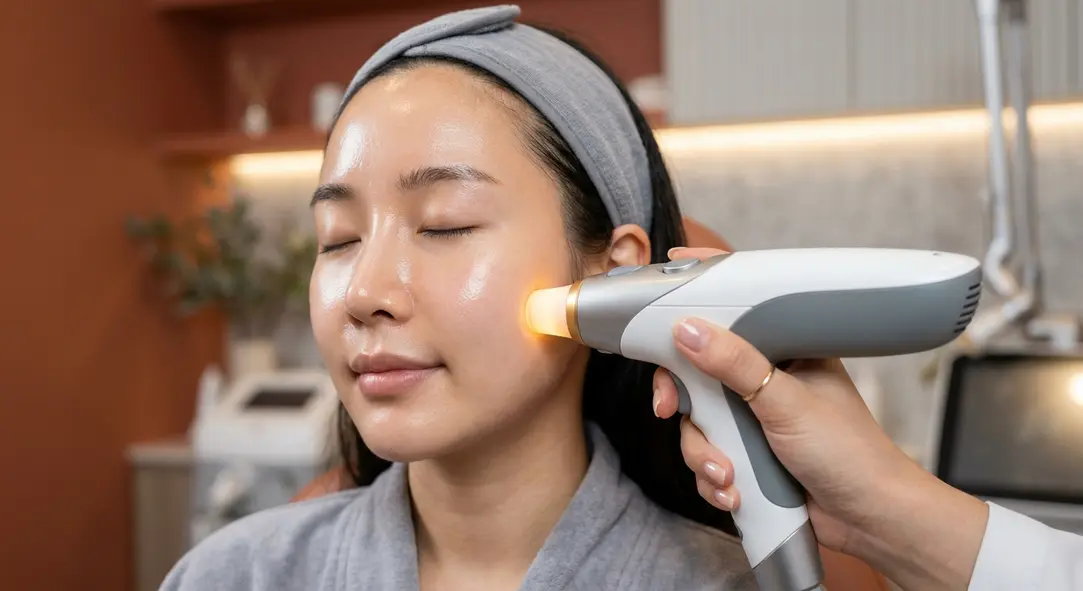
Have you ever looked in the mirror and wished you could just wave a magic wand to make those stubborn sunspots, freckles, or perhaps an old tattoo magically disappear? Trust me, I’ve been there! Dealing with uneven skin tone or lingering pigmentation can be incredibly frustrating. 😊
That’s exactly why I started looking into advanced skincare treatments, and I stumbled upon a true powerhouse: the Q-Switched laser. It sounded a bit intimidating at first—like something out of a sci-fi movie—but once I understood how it worked, it made total sense. Today, we’re going to break down everything you need to know about Q-Switch lasers, minus the confusing medical jargon.
What Exactly is a Q-Switched Laser? 🤔
So, what does “Q-Switch” actually mean? The “Q” stands for “Quality.” In the laser world, Q-switching is a technique that makes a laser produce high-intensity beams in extremely short pulses. We’re talking billionths of a second (nanoseconds)!
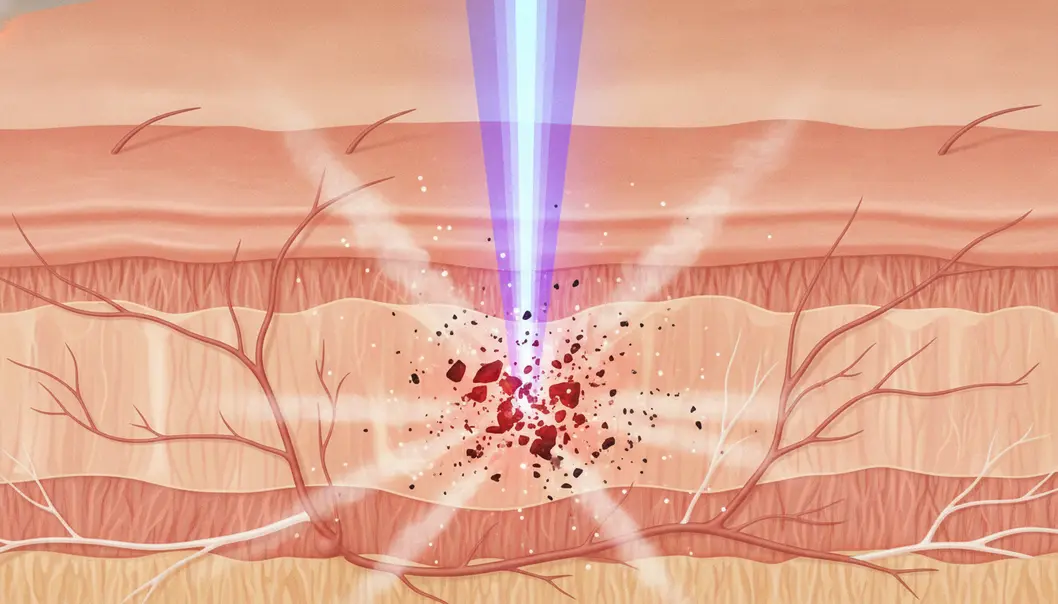
Instead of delivering a continuous beam of light, a Q-Switched laser stores up energy and releases it in quick, powerful bursts. This rapid-fire delivery is what allows the laser to shatter pigment in the skin without damaging the surrounding tissue. It’s incredibly precise.
Because the laser pulse is so incredibly short, the heat doesn’t have time to spread to the healthy skin around the target area. This minimizes the risk of burns and scarring, making it incredibly safe for various skin types!
How Does It Work? The Science Simplified 🔬
Imagine your pigmentation or tattoo ink as a large rock sitting in your skin. Your body’s immune system wants to remove it, but the rock is just too big for your white blood cells to carry away. The Q-Switched laser acts like a specialized hammer. It targets that specific color, hitting the “rock” with high energy and shattering it into tiny pebbles.
Once the pigment is broken down into these micro-particles, your body’s natural lymphatic system can easily sweep them away over the next few weeks. Isn’t the human body amazing?
Types of Q-Switched Lasers
| Laser Type | Wavelength | Best Used For |
|---|---|---|
| Nd:YAG | 1064nm / 532nm | Dark tattoos, melasma, dark spots, safe for darker skin |
| Ruby | 694nm | Rare tattoo colors (blue, green), freckles |
| Alexandrite | 755nm | Sunspots, age spots, green/black tattoos |
Top Uses for Q-Switched Lasers ✨
Q-Switched lasers are incredibly versatile. Let’s look at the main reasons people visit dermatology clinics for this specific treatment.
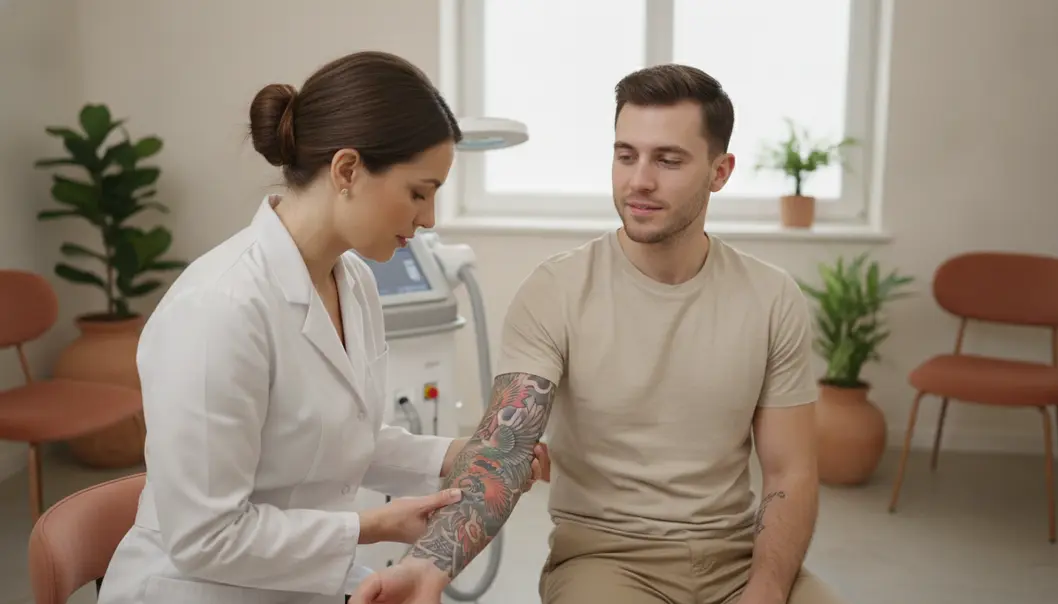
- Tattoo Removal: This is perhaps what the Q-Switch is most famous for. Because it can target specific ink colors without burning the skin, it slowly fades unwanted body art over multiple sessions.
- Pigmentation and Sunspots: Those little brown spots we get from enjoying the sun a bit too much? Q-Switch targets the excess melanin, lifting it to the surface where it flakes off a few days later.
- Melasma Control: Melasma is notoriously tricky because heat can make it worse. The low-fluence (gentle) setting on a Q-Switched Nd:YAG laser can break up melasma pigment safely.
- The Hollywood Carbon Peel: Ever heard of this? A layer of liquid carbon is applied to the face, and the laser blasts it off, taking dead skin cells, oil, and dirt with it. It leaves you glowing!
Not all pigmentation is the same! While Q-Switch is great for freckles and sunspots, using high heat on melasma can actually trigger “rebound hyperpigmentation” (making it darker). Always get a proper diagnosis from a board-certified dermatologist before proceeding!
Real-Life Case: Tattoo Fading Journey 📚
To give you a better idea of how this looks in practice, let’s consider a common scenario. Let’s say Sarah wants to remove a small, black ink tattoo on her wrist that she got five years ago.
📝 Example: Sarah’s Wrist Tattoo
- The Challenge: A 2-inch solid black tattoo. Black is actually the easiest color for the 1064nm Q-Switched Nd:YAG laser to absorb.
- The Process: The laser is applied in quick pulses. Sarah feels a sensation similar to a rubber band snapping against her skin. The entire session takes less than 5 minutes.
- The Result: Immediately after, the tattoo looks frosted (white). Over the next 6-8 weeks, her immune system flushes out the shattered ink particles. After 6 sessions spaced 8 weeks apart, the tattoo is barely visible!
Interactive Session Estimator 🧮
Are you curious about how many sessions it might take to remove a tattoo? Try our fun, interactive estimator below! (Note: This is a rough guide. Actual sessions vary based on individual metabolism, ink depth, and professional assessment).
🔢 Tattoo Removal Estimator
Crucial Aftercare Steps 🧴
The laser does 50% of the work, but your body and your aftercare routine do the rest! Here is what you absolutely must keep in mind after a Q-Switch session:
- Avoid direct sunlight: Your skin is super sensitive post-laser. Sun exposure can lead to hyperpigmentation. Wear SPF 50+ religiously!
- Keep it cool: Avoid hot showers, saunas, and intense workouts for at least 48 hours.
- Hydrate and soothe: Use a gentle, fragrance-free moisturizer or healing ointment (like Cica cream) to help the skin barrier recover.
Q-Switch Laser Summary
FAQ ❓
There you have it—a deep dive into the incredible world of Q-Switched lasers! Whether you’re looking to turn back the clock on sun damage or say goodbye to an old tattoo, this technology is truly a game-changer. Remember, everyone’s skin is unique, so always chat with a professional to map out the best plan for you.
Have you ever tried a laser treatment, or are you considering one? I’d love to hear your thoughts or answer any other questions you might have down in the comments! 😊