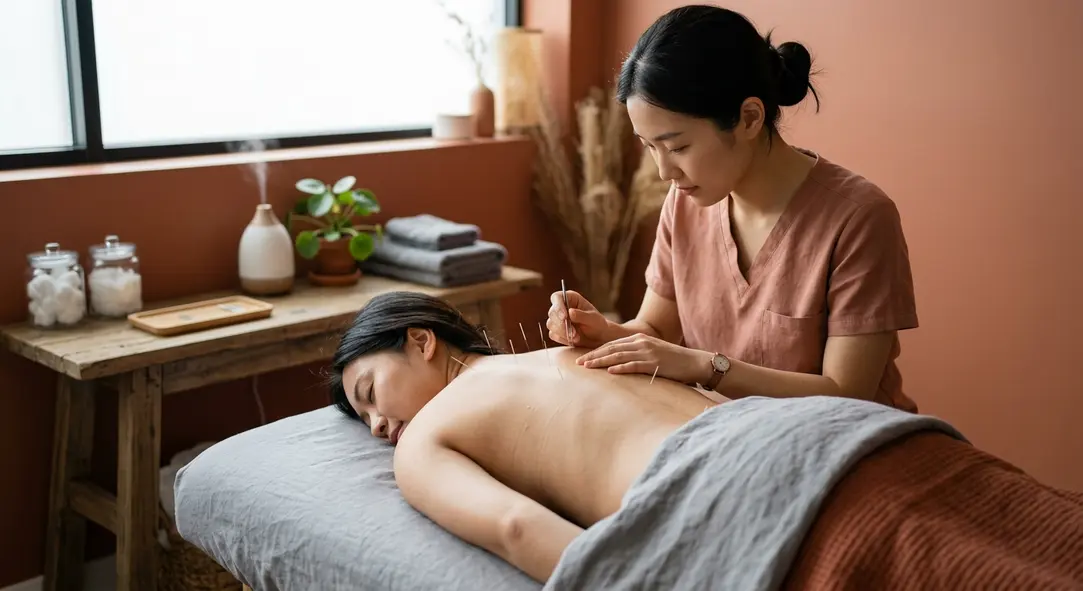
I still remember my first time considering acupuncture. My lower back was aching, and a friend suggested, “Why don’t you let someone stick a bunch of needles in you?” Naturally, I was a bit skeptical—and maybe a little terrified! But honestly, taking that leap was one of the best decisions I’ve made for my health. 😊
What Exactly Is Acupuncture? 🤔
Acupuncture is a key component of Traditional Chinese Medicine (TCM) that has been practiced for thousands of years. The core philosophy revolves around Qi (pronounced “chee”), which is believed to be the life force or energy flowing through your body.
According to TCM, when this energy flow gets blocked or disrupted, it leads to illness or pain. By inserting ultra-thin needles into specific points along the body’s meridians (energy pathways), acupuncture aims to unblock this flow and restore natural balance.
Modern western medicine has a slightly different take! Many doctors believe the needles stimulate nerves, muscles, and connective tissue, boosting the body’s natural painkillers and increasing blood flow.

Top Benefits of Acupuncture 📊
You might be thinking, “Okay, but what can it actually do for me?” Various clinical studies have recognized acupuncture as an effective complementary treatment for a wide array of conditions. Let’s break down some of the most common benefits.
| Condition | How Acupuncture Helps |
|---|---|
| Chronic Pain (Back, Neck, Knees) | Stimulates the release of endorphins (natural painkillers) and reduces inflammation. |
| Migraines & Headaches | Helps relax tense muscles and improves circulation, reducing the frequency and severity of attacks. |
| Stress & Anxiety | Lowers stress hormones like cortisol and calms the nervous system, promoting deep relaxation. |
| Insomnia | Balances the body’s natural circadian rhythm, helping you fall asleep faster and stay asleep. |
Acupuncture is generally very safe, but it is crucial to always visit a licensed, certified acupuncturist. If you have a bleeding disorder, use blood thinners, or are pregnant, consult your primary doctor first!
What to Expect During Your First Visit 👩⚕️
If you’re feeling a bit nervous about the needles, I completely understand! But let me reassure you, acupuncture needles are nothing like the ones used for drawing blood. They are typically as thin as a human hair.
📝 Step-by-Step Experience
- Consultation: Your acupuncturist will ask detailed questions about your health, lifestyle, and even examine your tongue and pulse (a standard TCM practice).
- Treatment: You will lie down comfortably. The practitioner will gently tap 5 to 20 thin needles into specific points. You might feel a tiny pinch, but it usually doesn’t hurt.
- Relaxation: You will rest with the needles in place for about 20 to 30 minutes. Many people get so relaxed they actually fall asleep!
📝 Summary: Key Takeaways
Let’s quickly recap what we’ve learned about this incredible healing practice.
Acupuncture at a Glance
FAQ ❓
At the end of the day, taking care of your body is the most important investment you can make. While it might seem intimidating at first, acupuncture is a wonderful, holistic way to support your well-being. If you have more questions or want to share your own experiences with acupuncture, feel free to ask in the comments! 😊