

Have you ever hesitated to tie your hair back or felt a bit self-conscious when posing for photos? I totally understand. For many of us, our ears are a source of insecurity. But what if I told you there’s a straightforward way to address this? Let’s talk about ear reshaping, a transformative journey that’s more common than you might think! 😊
What is Ear Reshaping (Otoplasty)? 🤔
Medically known as otoplasty, ear reshaping is a surgical procedure designed to alter the size, position, or proportion of the ears. To be honest, it’s one of the most effective ways to bring balance to your facial features.
Whether your ears “stick out” more than you’d like (prominent ears), are abnormally large, or have been misshapen due to an injury, otoplasty can help. I think it’s fascinating how adjusting just a few millimeters of cartilage can completely shift how a person feels about themselves.
Otoplasty is one of the few cosmetic surgeries frequently performed on children. Because ear cartilage reaches about 90% of its adult size by age 5 or 6, early intervention can prevent years of teasing at school.
Who is an Ideal Candidate? 📊
You might be wondering, “Is this right for me or my child?” Generally speaking, healthy individuals without life-threatening illnesses or untreated chronic ear infections make great candidates.
| Candidate Type | Ideal Age / Condition | Key Consideration |
|---|---|---|
| Children | Ages 5 and up | Must be cooperative and able to follow instructions well. |
| Teenagers | 13-19 years old | Often driven by a personal desire to improve self-esteem before adulthood. |
| Adults | Any healthy adult | It’s never too late! Requires realistic expectations about the outcome. |

The Procedure & Recovery Journey 🏥
So, what exactly happens during the procedure? The thought of surgery can be scary, but otoplasty is usually an outpatient procedure taking about 1 to 2 hours.
- Anesthesia: Local anesthesia with sedation is common for adults, while general anesthesia is often preferred for young children to keep them completely comfortable.
- Incision: The surgeon typically makes a small incision behind the ear, right in the natural fold, so scars are practically invisible.
- Reshaping: The cartilage is sculpted, folded, and pinned back using permanent internal sutures to secure the new shape.
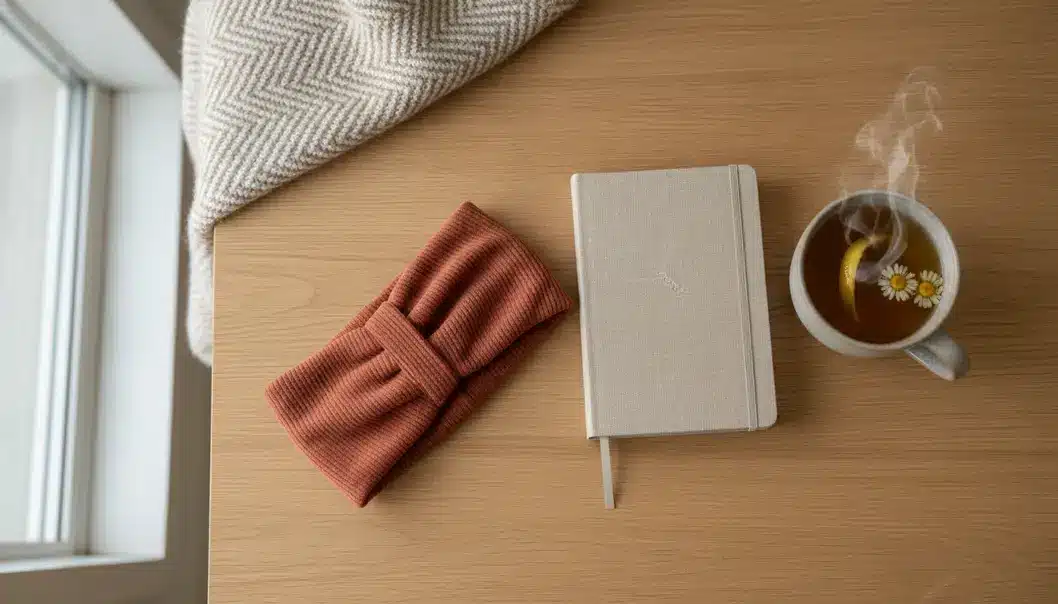
Recovery is crucial! You will likely need to wear a supportive headband 24/7 for the first week, and then at night for a few more weeks to ensure the ears heal in their new position. Skipping this step can compromise your results!
🔢 Recovery Timeline Estimator
Curious when you can get back to normal? Select your planned surgery day below!
Ear Reshaping Recap
FAQ ❓
📝 Summary & Final Thoughts
We’ve covered a lot of ground today, hasn’t it been insightful? Let’s quickly review the core takeaways:
- Key point: Otoplasty is a highly safe and common procedure tailored for both kids and adults.
- Key point: It elegantly addresses prominent or disproportionate ears to create total facial harmony.
- Key point: Strict adherence to aftercare (like wearing that stylish recovery headband!) is crucial for optimal, long-lasting results.
Deciding to undergo cosmetic surgery is a deeply personal choice. To be honest, the emotional transformation and surge in self-esteem often outshine the physical changes. If you’re considering this journey, please remember that this article provides general guidance. Your next best step is to consult a board-certified professional who can evaluate your unique anatomical needs.
Do you have more questions or personal experiences with ear reshaping? I’d love to hear from you. Feel free to ask or share in the comments below! 😊