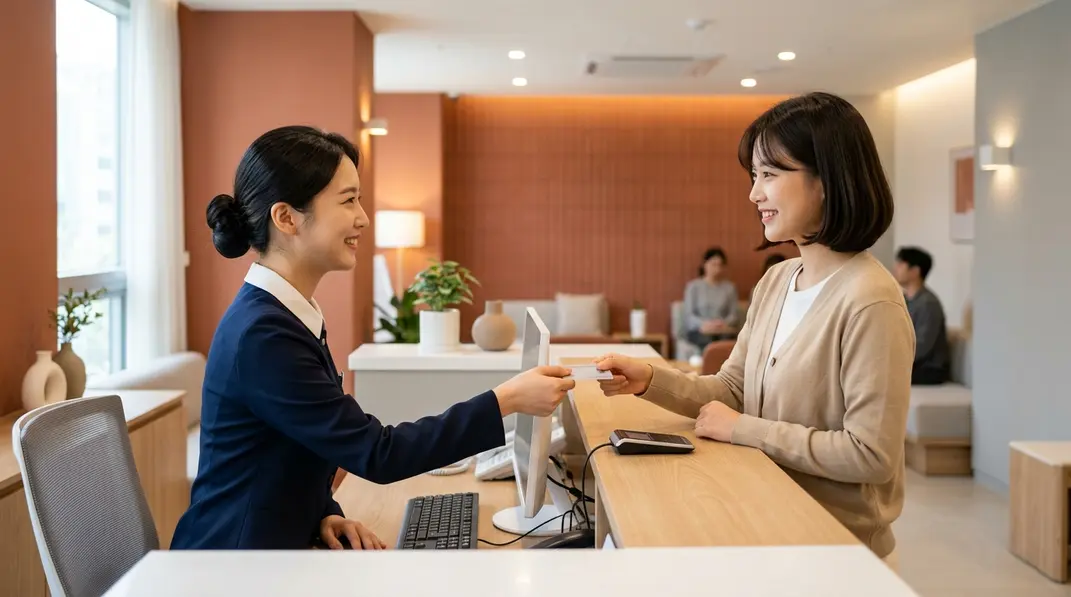
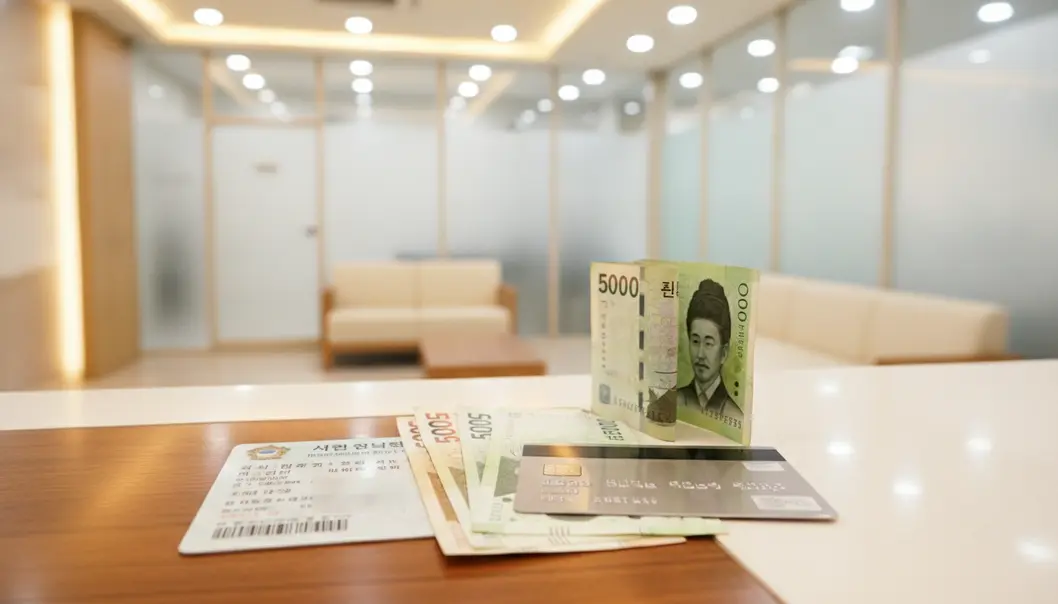
Have you ever walked into a sleek, ultra-modern clinic in Seoul, gotten top-notch treatment, and then felt a sudden wave of panic when walking up to the reception desk? “Will they accept my foreign card? Do I need cash?” Honestly, I’ve been there! Navigating healthcare in South Korea is generally a breeze, but understanding the payment culture can save you a lot of anxiety. 😊
Whether you’re an expat living in Korea with National Health Insurance or a medical tourist visiting for world-class dermatology, knowing how to settle your medical bills is essential. Today, I’ll walk you through everything you need to know about Korean clinic payment methods!
The Basics of Clinic Billing
In South Korea, the healthcare system is highly integrated and digitized. When you visit a local clinic (의원) or a general hospital (종합병원), your payment is typically processed immediately after your consultation or treatment.
If you are enrolled in the National Health Insurance Service (NHIS), the clinic’s system automatically calculates your heavily subsidized rate using your Alien Registration Card (ARC) or Resident Registration Number. You only pay the remaining deductible, which is often surprisingly low—sometimes just 5,000 to 10,000 KRW for a basic cold or consultation!
- Credit and Debit Cards: Plastic is king in Korea. Over 90% of transactions are cashless. All clinics accept domestic cards (Shinhan, KB, Woori, etc.).
- International Cards: Visa and Mastercard are widely accepted at medium to large clinics and dermatology centers. However, some tiny neighborhood clinics might occasionally struggle with foreign cards, so it’s best to ask first!
- Cash: Cash (KRW) is always accepted, though rarely used by locals. It’s an excellent backup if your international card acts up.
Always carry your physical ARC (Alien Registration Card) or passport. Clinics need this to pull up your medical records and apply your NHIS benefits automatically before charging you!
Mobile Apps and Insurance Claims
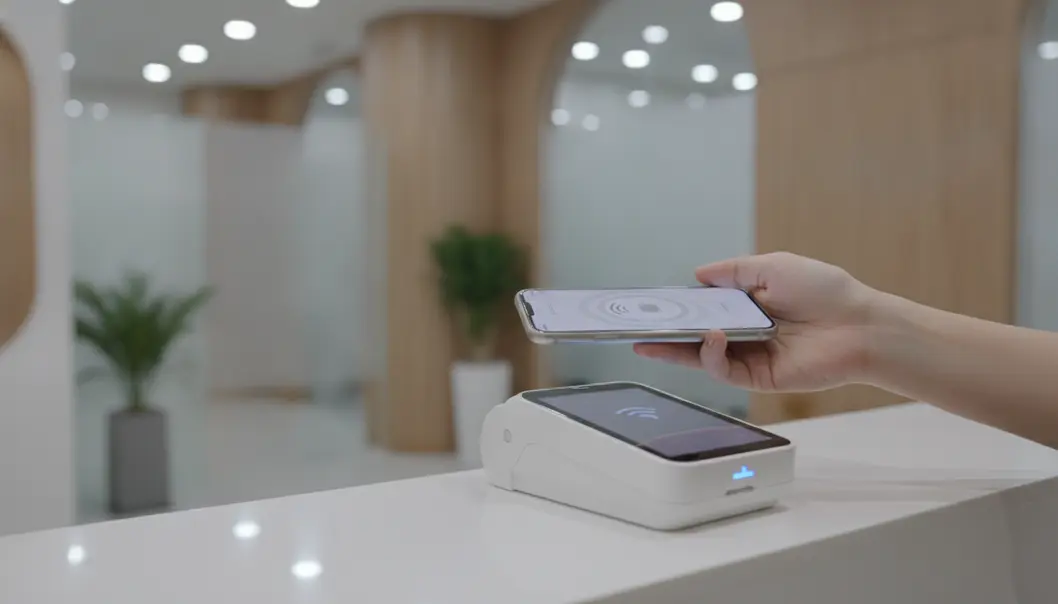
South Korea is a tech wonderland, and mobile payments have completely taken over. If you live here, you’ve probably noticed people tapping their phones to pay for literally everything. Clinics are no exception!
| Payment Method | Acceptance Rate | Best For |
|---|---|---|
| Samsung Pay / Apple Pay | Very High (Samsung Pay is near 100%) | Everyday convenience without a wallet |
| KakaoPay / Naver Pay | High (QR code or barcode) | Expats with linked local bank accounts |
| Wire Transfer (계좌이체) | High | Large cosmetic procedures, if card fails |
Another massive factor in Korean healthcare payments is Private Health Insurance (Silbi / 실비보험). Unlike some Western systems where the clinic bills the insurance company directly, in Korea, you pay the clinic first out of pocket. Afterward, you request a detailed receipt (진료비 영수증) and submit it to your Silbi insurance app for a reimbursement, which usually hits your bank account within 24 to 48 hours. It’s incredibly fast!
Not all procedures are covered by Silbi or NHIS. Cosmetic surgeries, most dermatology laser treatments, and certain IV drips are considered “non-covered” (비급여) and must be paid 100% out of pocket.
🔢 Silbi Reimbursement Estimator
Curious about how much you might get back if you have Silbi insurance? (Note: typical reimbursement is around 70-80% of the covered cost after a small deductible).
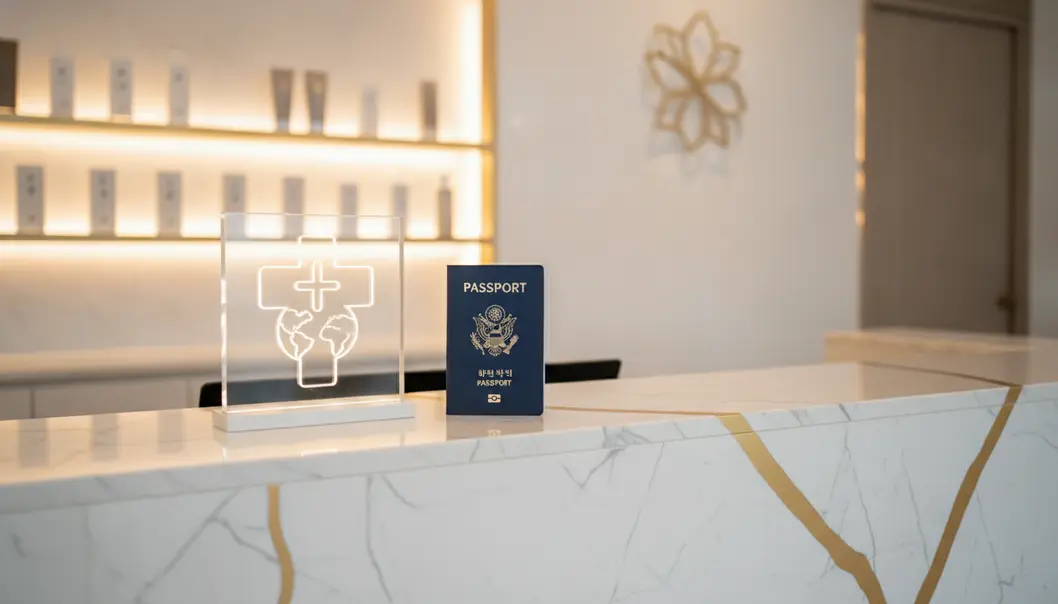
If you are visiting Korea specifically for medical tourism—perhaps for plastic surgery, vision correction, or high-end dermatology—payment looks a bit different. Because these are elective, non-covered procedures, the costs can be substantial.
Many large clinics catering to tourists offer Tax-Free Medical Services. This means you can get a refund on the 10% Value Added Tax (VAT) applied to cosmetic procedures. I think this is a fantastic perk that makes Korean beauty treatments even more appealing!
📝 Tax Refund Process Example
- Step 1: Pay the full amount (including 10% VAT) at the clinic using your international credit card or cash.
- Step 2: Present your passport. The clinic will issue a Certificate of Selling Medical Service for Overseas Patient.
- Step 3: Claim your refund! Some clinics have instant refund kiosks in their lobby, otherwise, you simply present the certificate at the VAT refund counter at Incheon Airport before your departure.
Korean Clinic Payments Summary
FAQ ❓
Wrapping Up 📝
Paying at a Korean clinic doesn’t have to be a stressful experience! With widespread card acceptance, heavily subsidized NHIS rates, and rapid tech integrations like mobile wallets, settling your medical bills is usually the quickest part of your visit.
I really hope this guide helps you feel more confident the next time you visit a healthcare facility in Korea. If you have any more questions about medical bills, insurance, or navigating the system, feel free to drop a comment below! Stay healthy and safe! 😊