
Have you ever looked in the mirror first thing in the morning and wondered, \”Who is this puffy person looking back at me?\” Or maybe you’ve experienced the sheer relief of taking off your shoes after a long day at work, only to realize your feet look like over-inflated balloons. Trust me, I’ve been there! It’s totally annoying. 😊
Swelling, or edema, is a common issue that many of us face daily. While it’s usually harmless and just a sign that our bodies are holding onto excess fluid, it can still feel uncomfortable and affect our confidence. Today, I want to dive deep into effective swelling care. We’ll explore why this happens and, most importantly, what we can do to feel lighter and more comfortable in our own skin.
Why Do We Swell Up? The Science Behind the Puffiness 🤔
To be honest, our bodies are quite complex, but the basic mechanism behind swelling is pretty straightforward. It’s all about fluid balance. When fluid from our blood vessels leaks into the surrounding tissues and doesn’t get properly drained by our lymphatic system, we experience swelling.
There are a few key culprits that trigger this fluid retention:
- High Sodium Intake: Eating a super salty late-night snack (hello, ramen!) forces your body to hold onto water to dilute the excess sodium.
- Poor Circulation: Sitting or standing in one position for hours causes blood to pool in your lower extremities.
- Hormonal Fluctuations: Ladies, we know this all too well. Hormonal changes during menstruation or pregnancy can lead to severe water retention.
While occasional puffiness is normal, sudden, severe, or persistent swelling—especially if accompanied by pain or redness—can be a sign of an underlying medical condition. Always consult a healthcare professional if you’re unsure!
Daily Habits That Sabotage Your Depuffing Goals 📉
Sometimes, our everyday routines are secretly making our swelling worse. I used to think I was doing everything right until I realized my desk job was the main villain in my swollen ankle saga.
One major habit is crossing your legs while sitting. It might feel comfortable, but it actually restricts blood flow to your lower legs. Another sneaky habit is not drinking enough water. It sounds counterintuitive, right? But when you’re dehydrated, your body goes into survival mode and hoards every drop of water it can find!
Try setting a timer every 50 minutes to stand up, stretch, and grab a glass of water. This simple habit change can drastically reduce afternoon leg swelling!
Top Dietary Changes to Flush Out Water Retention 🥗
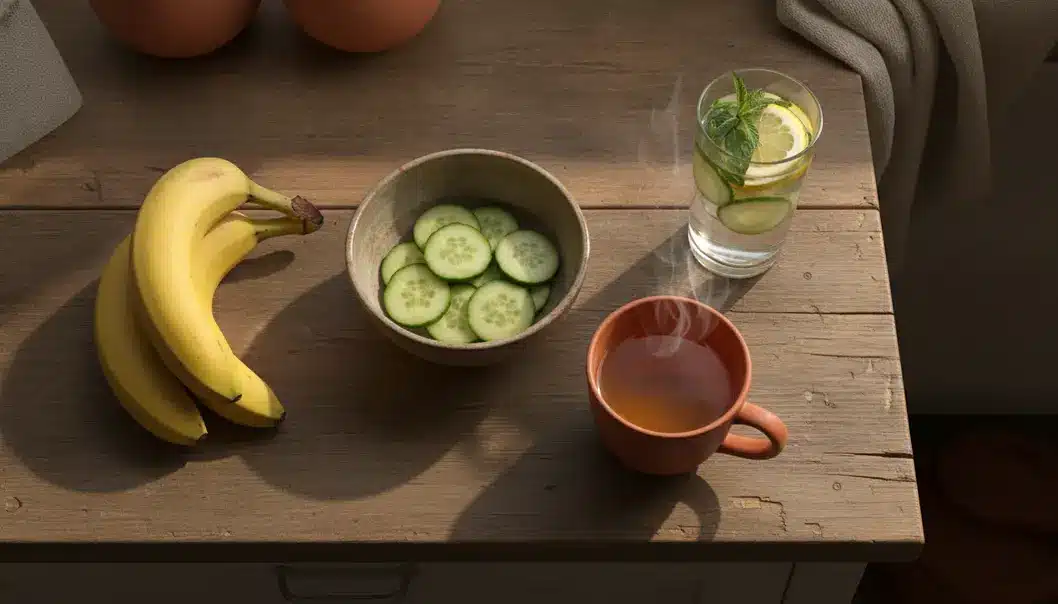
What we put into our bodies plays a massive role in how puffy we look and feel. Incorporating potassium-rich foods is an absolute game-changer because potassium helps balance out sodium levels and promotes urine production.
| Food Item | Why It Helps | Best Way to Consume |
|---|---|---|
| Bananas 🍌 | Extremely high in potassium, effectively neutralizing sodium. | Morning smoothie or as a quick snack. |
| Pumpkin (Hobak) 🎃 | A traditional remedy for swelling; acts as a natural diuretic. | Warm pumpkin tea or roasted pumpkin soup. |
| Cucumbers 🥒 | High water content and caffeic acid help soothe skin swelling. | Sliced in salads or infused in drinking water. |
Easy Home Remedies & Lymphatic Massages 💆♀️
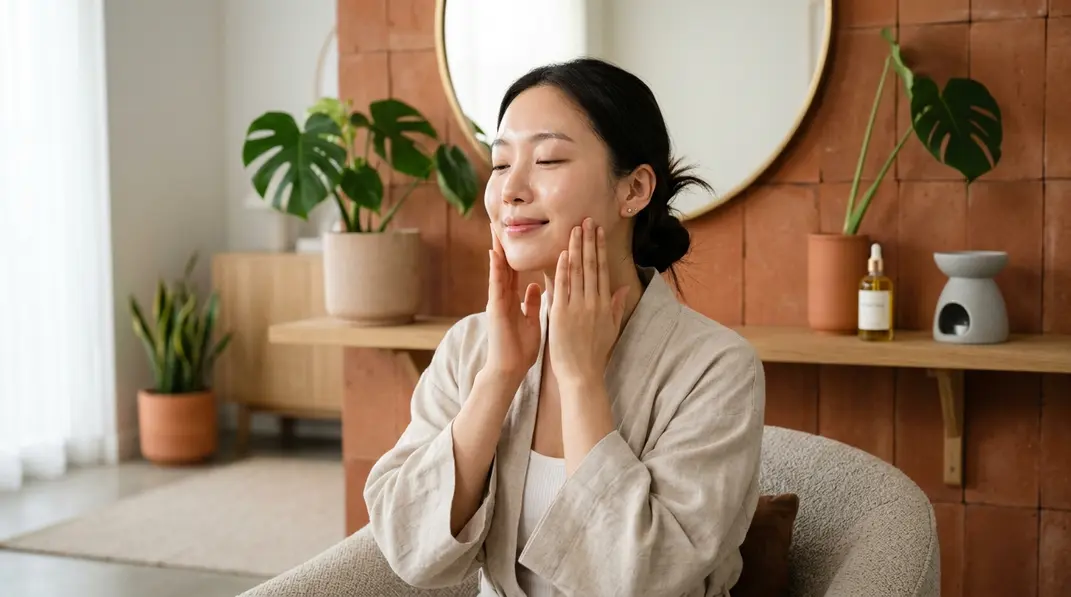
If you want immediate relief, lymphatic drainage massage is the way to go. I try to do this every night while applying my moisturizer. It’s not just about pushing the skin; it’s about gently encouraging the trapped fluid to move towards your lymph nodes where it can be naturally flushed out.
📝 Quick Face Depuffing Routine
- Apply a generous amount of facial oil or cream to prevent friction.
- Using your knuckles, gently sweep from the center of your chin along your jawline to your earlobes.
- Sweep from the side of your nose across your cheekbones to your temples.
- Finally, stroke downwards from your ears, down your neck, to your collarbone (this is where the fluid drains!). Repeat 5-10 times.
How Much Water Do You Really Need? 💧
As I mentioned earlier, dehydration is a huge trigger for swelling. But drinking too much water all at once isn’t great either. It’s all about finding that sweet spot for your specific body weight.
🔢 Daily Hydration Calculator for Swelling Care
Enter your weight to find out your baseline daily water intake to help prevent water retention.
Recommended Daily Intake: Liters
*Tip: Drink this gradually throughout the day rather than chugging it all at once!
📝 Summary: Your Daily Swelling Care Checklist
We've covered a lot of ground today! I really hope these tips help you feel lighter and more refreshed. Let's quickly wrap up the core strategies you can start using right away.
Swelling Care Master Plan
FAQ ❓
Taking care of swelling isn't about drastic changes; it's about making small, consistent tweaks to your daily routine. Listen to your body and try out the tips that feel right for you.
Do you have any personal secrets or favorite teas for beating the bloat? Let me know in the comments below—I’d love to hear your thoughts and answer any questions you might have! Stay healthy and stay light! 😊