Let’s be honest, we’ve all had those mornings where we look in the mirror and sigh at a sudden breakout, lingering redness, or fine lines that seem to have appeared overnight. I know I have! I used to think that achieving truly healthy, glowing skin required harsh chemicals or painful procedures. But recently, I discovered something that completely changed my perspective on skincare: Smartlux LED therapy. 😊
If you’ve visited a dermatologist or a high-end aesthetic clinic lately, you might have seen a futuristic-looking machine with bright, colorful lights. At first, I was a bit skeptical—how could just shining a light on my face actually improve my skin? But after diving deep into the research and trying it myself, I was absolutely amazed by the results. Today, I’m thrilled to share everything I’ve learned about Smartlux, so you can decide if it’s the right choice for your skin journey!
What Exactly is Smartlux? 🤔
Simply put, Smartlux is an advanced medical device that uses LED (Light Emitting Diode) phototherapy to treat various skin conditions. But this isn’t just any ordinary light! Smartlux utilizes high-intensity SLDs (Super-Luminous Diodes), which are much more powerful and focused than standard LEDs.
The core concept is called photobiomodulation. I know it sounds like a complex scientific jargon, but it basically means using light to stimulate cellular functions. Just like plants absorb sunlight to grow through photosynthesis, our skin cells can absorb specific wavelengths of light to heal, regenerate, and fight off bacteria. It’s completely non-invasive, pain-free, and surprisingly relaxing.
Smartlux treatments are often referred to as “lunchtime procedures” because they usually take only 10 to 20 minutes, and there is absolutely zero downtime. You can get a session and go right back to work with a radiant glow!
The Science Behind the Glow: Decoding Wavelengths 📊
The true superpower of Smartlux lies in its ability to emit different wavelengths of light, each targeting a specific depth and issue within the skin. Different colors penetrate the skin at varying levels, triggering different biological responses. Let’s break down the magic behind each color!
Smartlux Wavelength Breakdown
| Light Color (Wavelength) | Primary Function | Target Skin Concerns |
|---|---|---|
| Blue Light (420nm) | Antibacterial & Sebum Control | Active acne, oily skin, inflammation |
| Yellow Light (590nm) | Vascular Healing & Soothing | Redness, rosacea, post-laser erythema |
| Red Light (635nm) | Cellular Rejuvenation | Fine lines, aging, collagen stimulation |
| IR Light (830nm) | Deep Tissue Repair | Wound healing, pain relief, severe inflammation |
I was particularly fascinated by how these lights can even be combined. For instance, if you have acne-prone skin that is also aging, a dermatologist might use a combination of Blue and Red light to simultaneously fight bacteria and boost collagen. It’s totally customizable!

The Smartlux Experience: Which Light is For You? 🧮
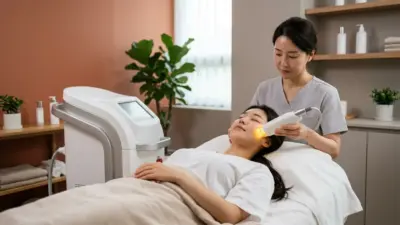
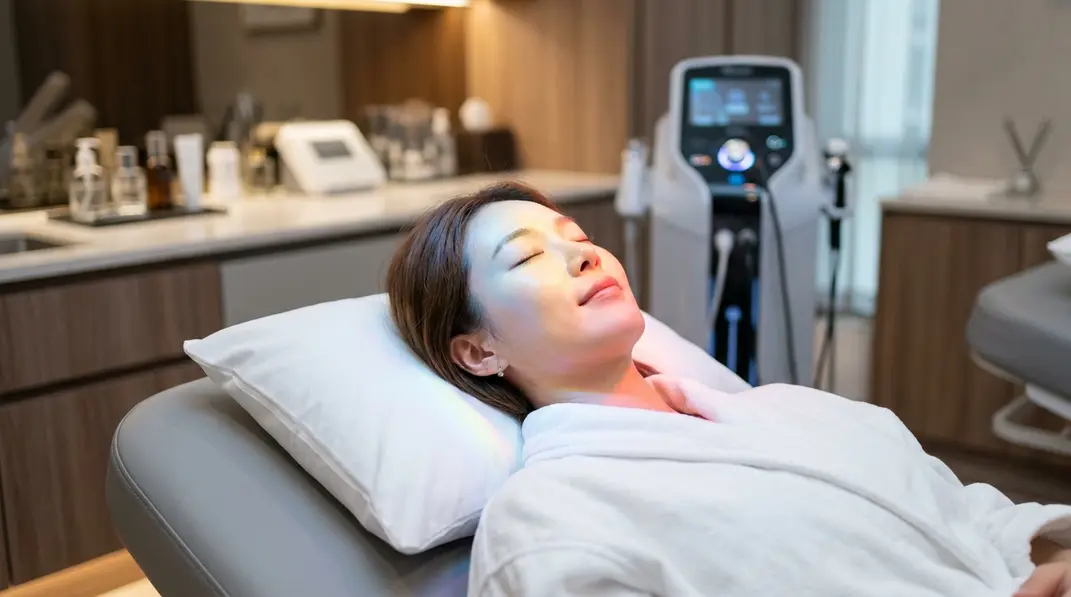
So, what is it actually like to get a Smartlux treatment? Honestly, it’s one of the most relaxing procedures you can experience at a clinic. After cleansing your face, protective goggles are placed over your eyes, and the device is positioned a few inches above your face. For the next 10 to 20 minutes, you just lay back and bathe in a warm, soothing light. I often find myself drifting off to sleep during the session!
To help you figure out which Smartlux treatment might be your perfect match, I’ve put together a little interactive tool. Give it a try!
🔢 Smartlux Wavelength Recommender
Who Needs Smartlux the Most? (And Who Should Avoid It) 👩💼👨💻
One of the greatest things about Smartlux is its versatility. It’s a fantastic option for teenagers struggling with hormonal acne, adults wanting to delay signs of aging, or anyone looking to recover faster after an intensive laser treatment like Fraxel or Microneedling. It dramatically cuts down downtime from other cosmetic procedures.
Although LED therapy is incredibly safe, it isn’t for absolutely everyone. If you are pregnant, have epilepsy, or are taking photosensitizing medications (like certain antibiotics or isotretinoin), you must consult your doctor before starting treatment to avoid any adverse reactions.
Real-Life Application: Jane’s Acne Journey 📚
To give you a better idea of how this works in practice, let’s look at a very common scenario. A friend of mine, let’s call her Jane, had been struggling with adult acne and the resulting red scars for years. Topical creams just weren’t cutting it anymore.
Jane’s Treatment Protocol
- Condition: Active inflammatory acne and post-inflammatory erythema (red scars).
- Frequency: Twice a week for 4 weeks.
The Process
1) First 10 minutes: Blue Light to kill the active P. acnes bacteria and stop new breakouts from forming.
2) Last 10 minutes: Yellow Light to soothe the inflammation and fade the lingering red marks left by older pimples.
The Final Result
– By week 2, her active breakouts had reduced by almost 50%.
– By week 4, her skin texture smoothed out significantly, and the stubborn redness was almost entirely gone!
Jane’s case is a classic example of why combining wavelengths is so powerful. It tackles the root cause of the problem while simultaneously healing the visible aftermath.
📝 Summary & Key Takeaways
We’ve covered a lot of ground today! Let’s wrap up everything we’ve learned about this incredible skin-saving technology.
Smartlux Highlights
Taking care of your skin doesn’t always have to involve harsh peeling or uncomfortable needles. Sometimes, a little bit of the right light is all it takes to trigger your skin’s natural healing abilities. If you’ve been on the fence about trying LED therapy, I highly recommend asking your local aesthetic clinic if they offer Smartlux treatments. Your skin might just thank you for it!
Have you ever tried LED light therapy, or do you have more questions about how Smartlux works? Feel free to ask away in the comments below! I’d love to hear about your skincare journeys. 😊