Have you ever looked in the mirror and wished your skin could just naturally heal those pesky acne scars or fine lines? I’ve been there too. We often buy endless creams and serums, hoping for a miracle. But recently, regenerative laser therapy has been making huge waves in both aesthetics and medical healing. It sounds a bit like sci-fi, doesn’t it? But honestly, the science behind it is fascinating and incredibly accessible today! 😊
What Exactly is a Regenerative Laser? 🤔
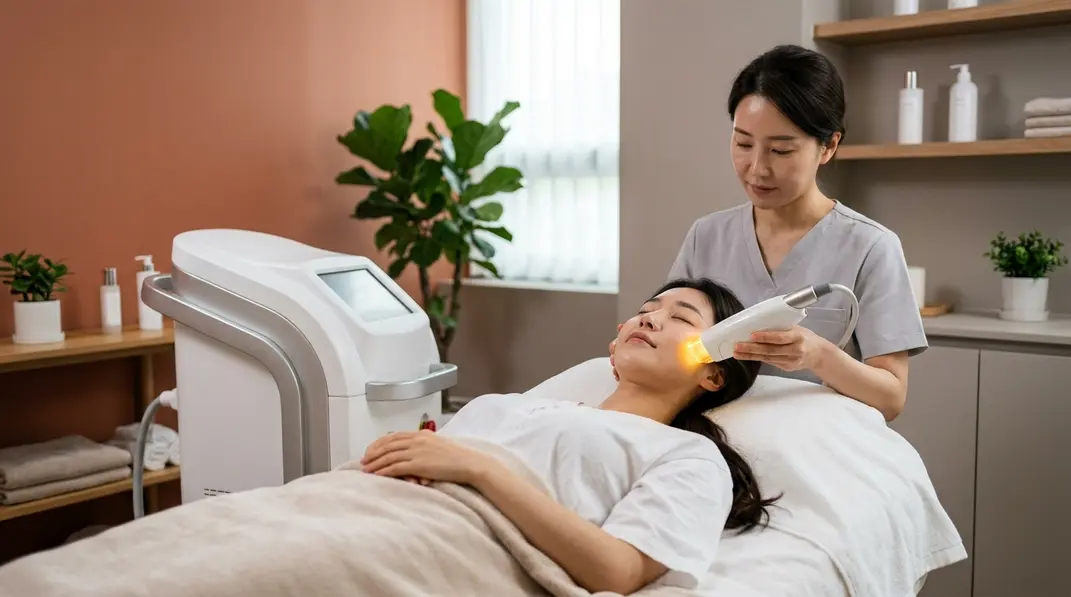
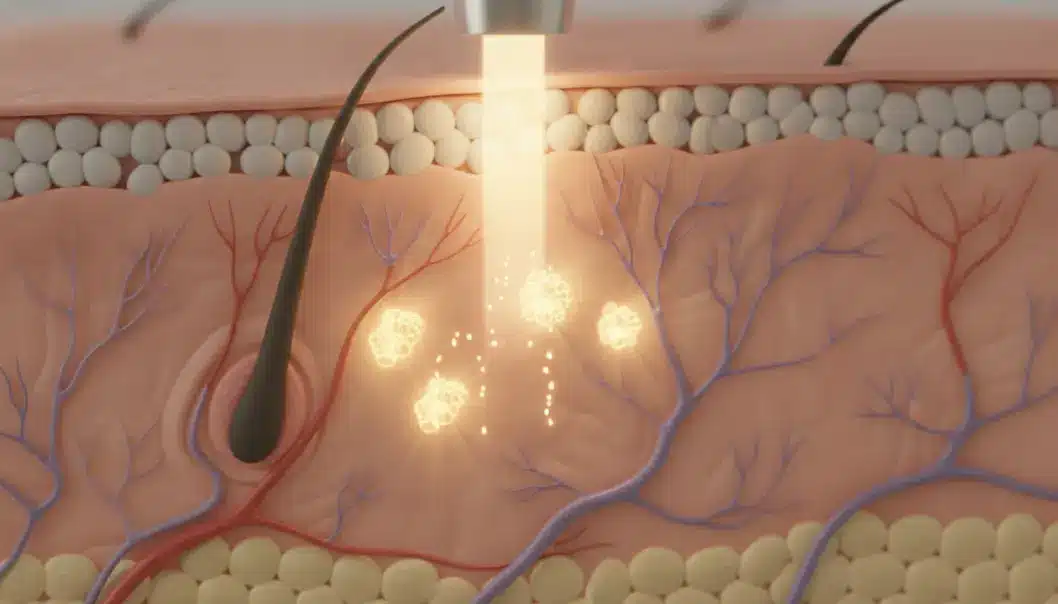
At its core, a regenerative laser isn’t just about “zapping” the skin. It is a specialized light treatment designed to stimulate cellular regeneration. By delivering precise wavelengths of light into the dermis, it tricks your body into thinking it needs to heal, which triggers a massive production of collagen and elastin.
There are mainly two types we hear about: Low-Level Laser Therapy (LLLT) and Fractional Lasers. While fractional lasers create micro-injuries to rebuild tissue, LLLT uses cold laser tech to reduce inflammation and promote cell survival without heating the tissues.
Collagen production doesn’t just stop wrinkles; it is essential for healing scars, repairing joint damage, and even restoring hair growth in some regenerative treatments!
Top Benefits and Treatment Areas 📊
I think one of the most common questions is, “What exactly can this fix?” The applications are incredibly versatile, ranging from simple skin rejuvenation to complex pain management.
| Laser Type | Primary Mechanism | Best For |
|---|---|---|
| Fractional CO2 | Ablative micro-injuries | Deep wrinkles, severe acne scars |
| Erbium YAG | Superficial ablation | Fine lines, pigmentation, dull skin |
| LLLT (Cold Laser) | Photobiomodulation | Wound healing, pain relief, inflammation |
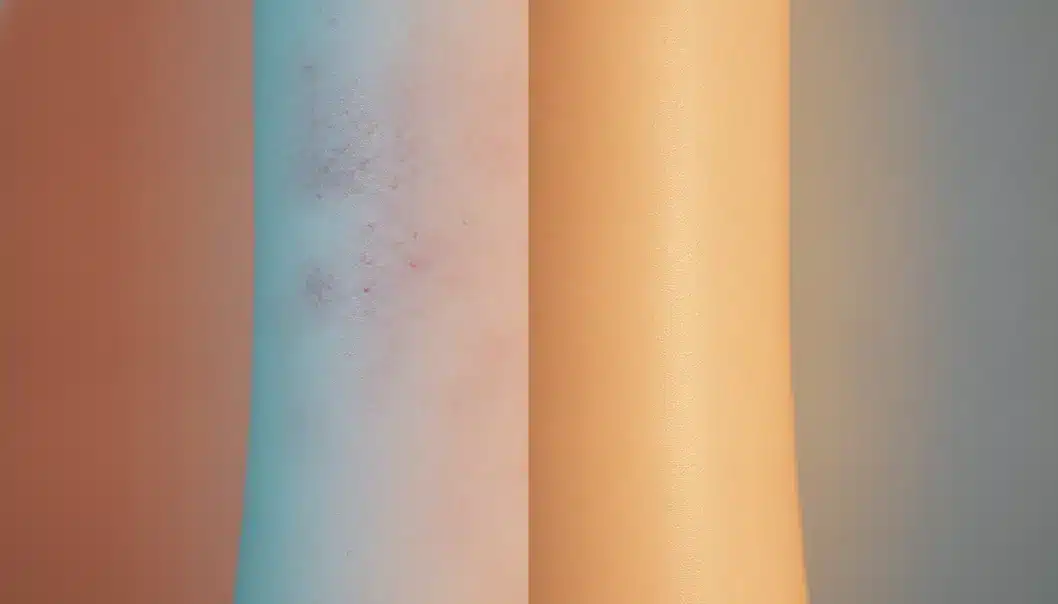
Post-laser care is absolutely critical! Exposing treated skin to direct sunlight without high SPF sunscreen can lead to hyperpigmentation and reverse the regenerative benefits.
Interactive Recovery Time Estimator 🧮
Recovery times can vary wildly depending on the intensity of the treatment and your own body. I’ve built a simple calculator below to give you a rough estimate of how many days of “social downtime” you might need. Try it out!
🔢 Downtime Calculator
Real-World Example: Skin Rejuvenation 📚
Let’s look at a concrete example to understand the process better. Here is a typical scenario of someone undergoing fractional regenerative laser therapy.
📝 Case Study: Sarah’s Acne Scars
- Situation: 32-year-old with moderate post-acne textural scarring.
- Treatment: 3 sessions of Erbium YAG laser, spaced 4 weeks apart.
The Process
1) Session 1: Mild redness and peeling for 5 days. Collagen stimulation begins.
2) Session 3: Skin texture improves significantly. Depth of scars is visibly reduced.
Final Result
After 3 months, Sarah reported a 70% improvement in skin smoothness. Her natural cellular turnover was permanently enhanced!

📝 Summary & Key Takeaways
We’ve covered a lot of ground today! Let’s quickly review the core lessons about regenerative laser therapy so you can make an informed decision for your health and beauty.
- Natural Healing: Regenerative lasers work by stimulating your body’s innate collagen and elastin production.
- Versatility: They treat everything from deep acne scars and wrinkles to tissue inflammation and joint pain.
- Downtime Varies: Always account for your skin type and the specific laser used when planning your recovery time.
Regenerative Laser Cheat Sheet
FAQ ❓
I really hope this guide demystified regenerative lasers for you! It’s truly amazing what modern science can do to help our bodies heal themselves. If you have more questions or want to share your own laser experiences, feel free to ask in the comments below! 😊 Stay radiant and take care!