
Have you ever looked in the mirror and felt that your facial structure just didn’t quite reflect how you feel on the inside? I completely understand. For many of us, prominent cheekbones or a broad, square jawline can be a source of deep insecurity. While makeup contouring can work absolute wonders for a night out, sometimes we seek a more permanent, natural-looking solution. That’s exactly where facial contour surgery comes into play! 😊
What is Facial Contour Surgery? 🤔
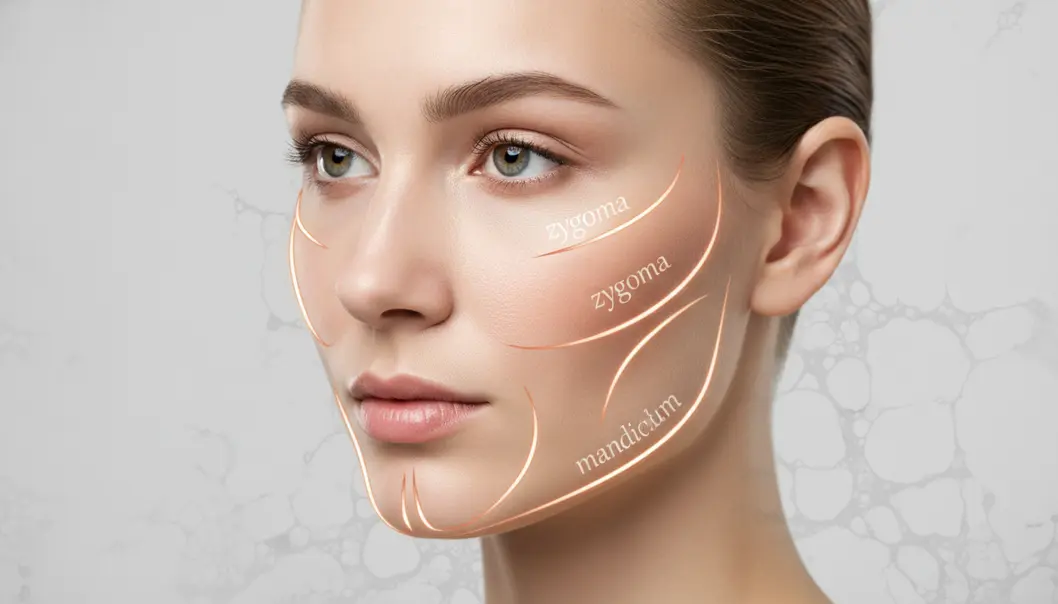
To be honest, the term “facial contouring” sounds a bit like a makeup technique you’d see on a beauty tutorial, but in the medical world, it refers to a set of highly specialized surgical procedures designed to alter the underlying bone structure of the face. Unlike Botox or dermal fillers, which target muscles or add temporary volume to soft tissues, facial contouring permanently reshapes your facial skeleton. We’re talking about intensive procedures like jaw reduction, cheekbone reduction (zygoma reduction), and chin reshaping (genioplasty).
I think it’s crucial to understand from the start that these are major surgeries. They are typically performed under general anesthesia and require a significant commitment to the recovery process. However, for those who truly struggle with their facial proportions and asymmetry, the results can be entirely life-changing, bringing a harmonious, softer balance to the facial features.
Before considering bone contouring, consult with a professional to see if your concerns are actually bone-related. Sometimes, overgrown jaw muscles (masseter muscles) or excessive buccal fat can create the illusion of a wider face, and these can be addressed with much less invasive treatments!
Popular Types of Facial Contouring 📊
When exploring this topic, you’ll often hear about a few specific procedures. Let’s break them down simply so you know exactly what each one entails and what it aims to achieve.
| Procedure Name | Target Area | Primary Goal |
|---|---|---|
| Zygoma Reduction | Cheekbones | Reduces overly prominent or wide cheekbones for a softer, narrower mid-face. |
| Mandible Reduction | Jawline / Jaw Angle | Shaves down a square or wide jaw to create a smoother, more oval lower face. |
| Genioplasty | Chin | Moves the chin bone forward, backward, or shortens it to balance the facial profile. |
| V-Line Surgery | Jaw & Chin combined | A combination of jaw reduction and genioplasty to achieve a slim “V” shape. |

Preparing for the Procedure and Understanding Risks ⚠️
Because facial contouring is a significant medical procedure, I must emphasize the absolute importance of safety. Facial contour surgery involves operating incredibly close to major facial nerves and blood vessels. It is absolutely crucial to choose a board-certified plastic surgeon or a specialized maxillofacial surgeon with extensive, documented experience in bone contouring. Do your research, and don’t hesitate to ask for multiple consultations.
General risks include infection, adverse reactions to anesthesia, and excessive bleeding. Specific to bone contouring, risks include nerve damage (which can lead to temporary or permanent numbness in the lips or cheeks), facial asymmetry, and skin sagging as the bone volume is reduced. Always discuss emergency protocols with your surgeon.
📝 Example: The Typical Recovery Journey
To give you a realistic idea of what to expect, here is a general timeline of a typical recovery phase based on medical consensus and patient experiences:
- Days 1-3 (The Hardest Part): Peak swelling and bruising occur. You will likely have drainage tubes in your mouth and wear a tight compression garment. A strict liquid diet is mandatory.
- Weeks 1-2 (Initial Healing): Stitches inside the mouth are usually removed or begin to dissolve. Swelling starts to visibly subside, but you’ll still look quite “puffy.” A soft food diet (like mashed potatoes and porridge) continues.
- Months 3-6 (Seeing the Results): The majority of the major swelling is gone. The new, refined bone structure begins to reveal itself beautifully, though minor, almost imperceptible residual swelling can last up to a full year.
Recovery Swelling Estimator 🧮
Wondering how fast the swelling might go down? While everyone’s body heals at its own unique pace, here is a fun interactive tool based on general clinical averages to estimate your swelling reduction.
🔢 Swelling Reduction Calculator

📝 Summary & Final Thoughts
We've covered a substantial amount of information today, from the delicate mechanics of the procedures to the vital importance of safety and patience during recovery. Here is a quick visual summary of the core points you need to remember.
Contouring Key Takeaways
FAQ ❓
Thank you so much for taking the time to read through this comprehensive guide. I really hope it gave you a clearer, more grounded picture of what facial contour surgery involves. Remember, true beauty always comes from within, but feeling confident and comfortable in your own skin is just as important. If you have any more questions, or if you'd like to share your own thoughts or experiences, please feel free to ask in the comments below! 😊