I remember feeling a bit anxious the first time my doctor asked about my breast care routine. To be honest, I didn’t even know I was supposed to have one! 😊 Like many of us, I mostly thought about my breasts when trying to find a comfortable bra or during that incredibly tender time of the month. But learning about proactive breast care completely changed my perspective, and I truly believe it’s one of the best things we can do for ourselves.
Why Daily Breast Care Matters 🤔
Our breasts change constantly throughout our lives. Hormonal fluctuations during our menstrual cycle, pregnancy, breastfeeding, and menopause all play a huge role in how they look and feel. Because of these constant, natural shifts, taking a few moments to prioritize your breast health is an incredible act of self-love.
Did you know? Your breasts are often most tender and swollen right before your period. The absolute best time to check them is usually 3 to 5 days after your period ends, when hormone levels are much more stable.
Understanding What’s “Normal” 📊
I think the word “normal” is completely subjective when it comes to breasts. One breast is almost always slightly larger than the other, and variations in shape or color are incredibly common. What matters most is simply knowing what is normal for you.
| Symptom / Sign | Often Normal | When to See a Doctor |
|---|---|---|
| Lumps or Bumps | Soft, movable tissue that comes and goes with your cycle. | Hard, painless, fixed lumps that don’t disappear. |
| Pain or Tenderness | Aching or heaviness in both breasts before a period. | Severe, localized pain that doesn’t go away. |
| Skin Changes | Stretch marks from weight changes or pregnancy. | Dimpling (like an orange peel), redness, or scaling. |
While many breast changes (like cysts or fibroadenomas) are completely benign and harmless, never try to diagnose yourself. If you notice a persistent change, always reach out to a healthcare professional just to be safe!
Step-by-Step Breast Self-Exam (BSE) 🖐️
One of the most empowering things we can do is get hands-on with our health. A monthly breast self-exam helps you establish a baseline so you can quickly spot any irregularities. I highly recommend making it a small, relaxing self-care ritual!
- Visual Inspection: Stand in front of a mirror with your shoulders straight and arms on your hips. Look for changes in size, shape, color, or any dimpling.
- Raise Your Arms: Lift your arms overhead and look for the exact same changes. Also, check for any fluid coming out of one or both nipples.
- Laying Down: Lie down flat. Use your right hand to feel your left breast, and your left hand for your right breast. Use a firm, smooth touch with the first few finger pads of your hand, keeping the fingers flat and together.
- In the Shower: Many people find it easiest to feel changes when their skin is wet and slippery. Follow the same circular, up-and-down motions you used while lying down.
📝 Example: Applying the Right Pressure
When doing your exam, you need to use different pressure levels to feel all the breast tissue effectively:
- Light pressure: To feel the tissue just beneath the skin.
- Medium pressure: To feel the deeper tissue in the middle of your breasts.
- Firm pressure: To feel the deepest tissue closer to your ribs.
Screenings: When to See the Pros 🏥
Self-exams are fantastic, but they definitely don’t replace professional screenings. Mammograms (which are low-dose X-rays of the breast) are absolutely crucial because they can detect tumors long before they can be felt.
🔢 Screening Age & Risk Calculator
Find out a general screening timeline based on your age and family history.
Daily Habits for Happy, Healthy Breasts 🥗
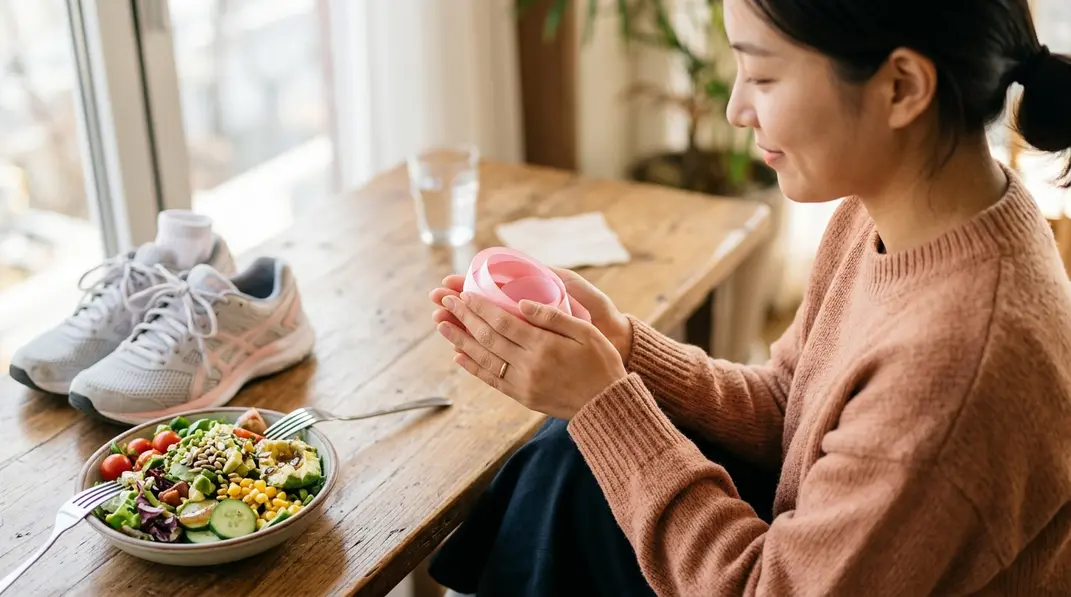
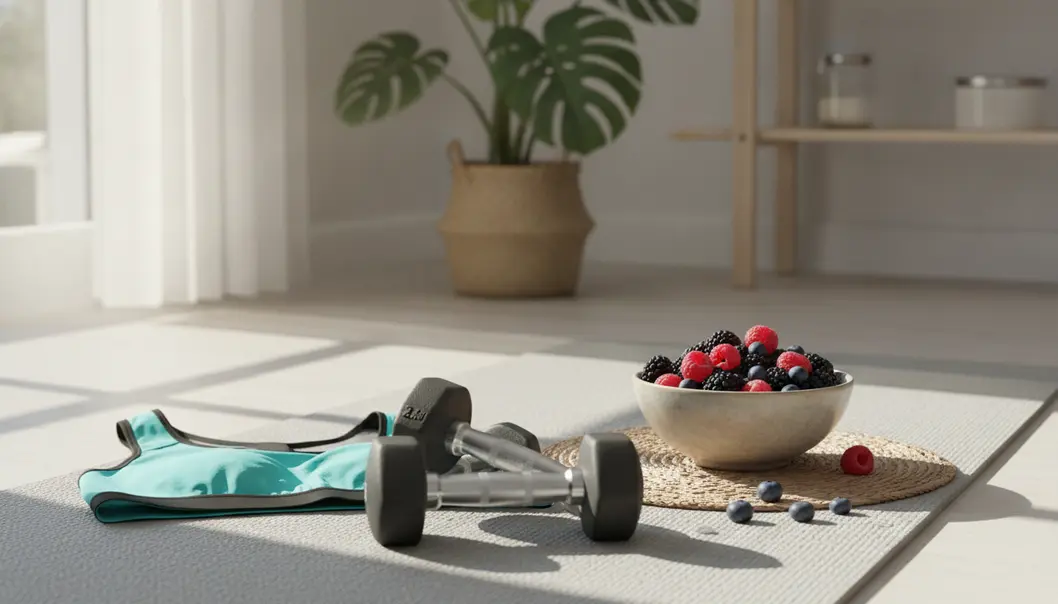
Aside from screenings, your daily lifestyle choices play a massive role in breast health. Did you know that regular exercise and a balanced diet can actively reduce breast cancer risk? It's really amazing how connected every part of our body is.
Staying physically active for at least 150 minutes a week can lower estrogen levels, which in turn reduces breast cancer risk. Additionally, wearing a well-fitted bra is absolutely crucial. A poor fit can lead to severe back pain, posture issues, and tender breast tissue. Treat yourself to a professional fitting—I finally did last year, and to be honest, it was completely life-changing!
📝 Summary
Breast Health Checklist
FAQ ❓
Thank you so much for reading through this guide! Taking charge of your breast health is an ongoing, empowering journey, and you really don't have to do it alone. If you have any more questions or want to share your own self-care tips, feel free to drop a comment below. Keep taking amazing care of yourself! 😊
Disclaimer: The information provided in this article is for general guidance and educational purposes only. It should not replace professional medical advice, diagnosis, or treatment. Always consult a healthcare provider for any health-related concerns.