
Have you ever looked in the mirror and wished you could just hit an “undo” button on a past tattoo decision or those pesky acne scars? Trust me, you are not alone! We’ve all been there, feeling a bit frustrated with stubborn pigmentation or skin texture issues that regular creams can’t seem to fix. That’s where I discovered something pretty amazing, and I am so excited to share it with you today. 😊
What exactly is the PicoWay Laser? 🤔
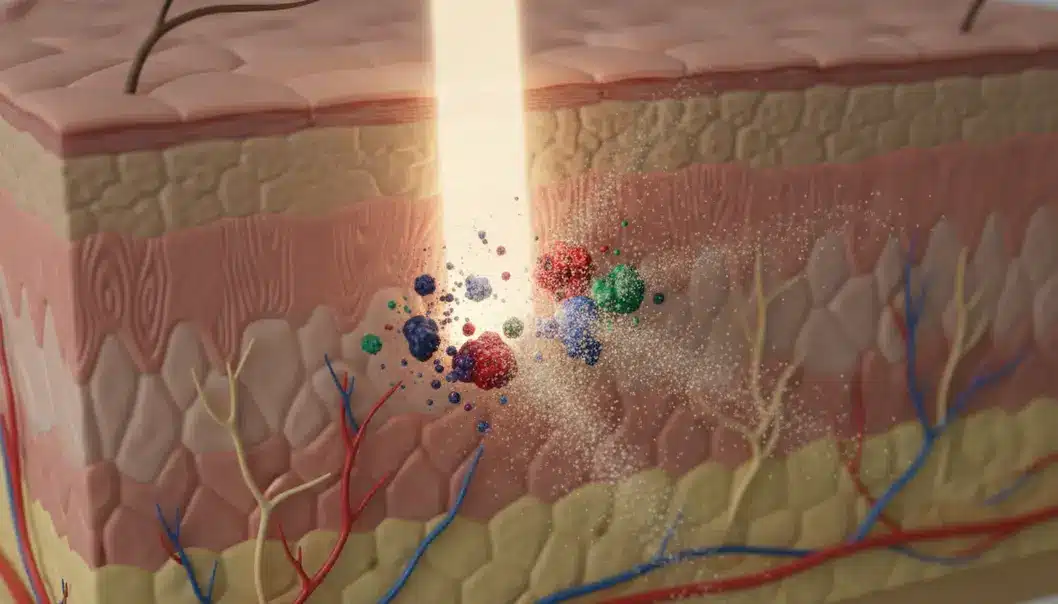
To put it simply, PicoWay is an advanced picosecond laser developed by Candela. Now, you might be wondering, what on earth is a “picosecond”? A picosecond is one-trillionth of a second! Traditional lasers usually operate in nanoseconds (one-billionth of a second). Because PicoWay fires laser energy at such a mind-bogglingly fast speed, it shatters pigment particles into incredibly tiny, dust-like fragments without overheating your skin.
I think the coolest part about this is how gentle it is compared to older lasers. By avoiding excessive heat, it drastically reduces the pain and downtime associated with laser treatments. Honestly, it’s a total game-changer for anyone who has been too scared of the “rubber band snapping” pain of older laser machines.
Unlike traditional lasers that rely heavily on heat (photothermal effect) to burn away pigment, PicoWay uses a “photoacoustic” effect. This means it creates tiny shockwaves that physically shatter the ink or pigment, leaving the surrounding healthy skin completely untouched!
The Magic of Multiple Wavelengths 🌈
You might be thinking, “Okay, this sounds great, but what can it actually do for me?” The beauty of the PicoWay system is its extreme versatility. It is highly effective for tattoo removal (even those stubborn blue and green inks!), treating benign pigmented lesions like freckles and melasma, and even improving acne scars and wrinkles.
PicoWay vs. Traditional Q-Switched Lasers
| Feature | PicoWay Laser | Traditional Lasers |
|---|---|---|
| Speed | Picoseconds (ultra-fast) | Nanoseconds (slower) |
| Discomfort | Minimal to moderate | Often highly painful |
| Skin Types | Safe for all skin types (I-VI) | Risky for darker skin tones |
| Sessions Needed | Fewer sessions overall | Requires more treatments |
While PicoWay has less downtime, your skin will still be sensitive! Please remember to avoid direct sun exposure and apply a broad-spectrum sunscreen religiously. It would be really bad to undo all that laser magic by getting a sunburn!
📝 Example: The Tattoo Removal Journey
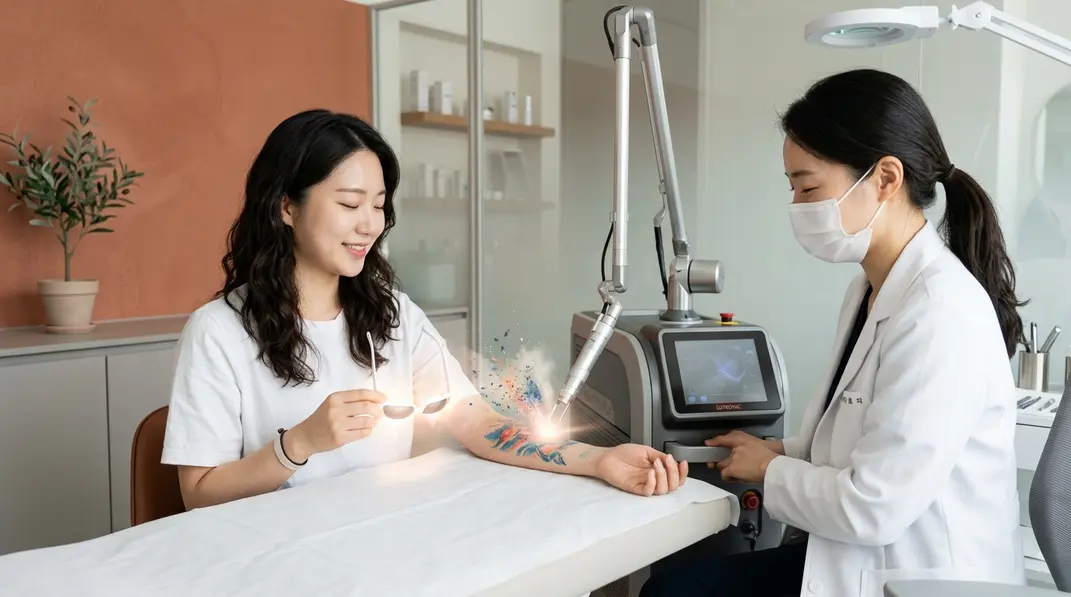
Let’s say you have a brightly colored tattoo on your arm that you got 10 years ago. Traditional lasers often struggle with colors like light blue or green, leaving a faded, muddy mess.
- Step 1: PicoWay uses its targeted 785nm or 730nm wavelengths specifically designed for those tricky colors.
- Step 2: The acoustic waves shatter the ink into tiny particles.
- Step 3: Over the next few weeks, your body’s immune system naturally flushes out the shattered ink dust.
The result? A much cleaner removal in fewer sessions compared to older methods!

Interactive Session Estimator 🧮
Wondering how many sessions you might need? While everyone’s skin is unique and you should always consult a professional, this simple calculator gives you a general idea!
🔢 PicoWay Session Estimator
📝 Summary
PicoWay Key Takeaways 💡
FAQ ❓
Taking that first step toward clearer skin or saying goodbye to an old tattoo can feel daunting, but innovations like the PicoWay laser truly make the process so much easier. I hope this guide cleared up some of your questions! If you have any more questions about laser treatments or want to share your own experience, feel free to drop a comment below. I’d love to chat! 😊
Disclaimer: This article is for informational purposes only. Laser treatment results can vary depending on individual skin conditions. Always consult with a board-certified dermatologist or qualified professional before starting any treatment.