Have you ever looked in the mirror and wished you could just hit a “refresh” button on your skin? 😊 I’ve definitely been there. Whether it’s lingering acne scars, stubborn hyperpigmentation, or just a dull complexion that won’t go away, finding the right exfoliating treatment can be incredibly frustrating. We often bounce between harsh chemical peels that leave us red and raw, and gentle scrubs that barely make a difference.
Recently, I stumbled upon a fascinating natural alternative that completely shifted my skincare perspective: the seaweed peel. If you’re tired of aggressive acids but still want that glass-skin glow, this might just be the game-changer you’ve been looking for!
What Exactly is a Seaweed Peel? 🌿
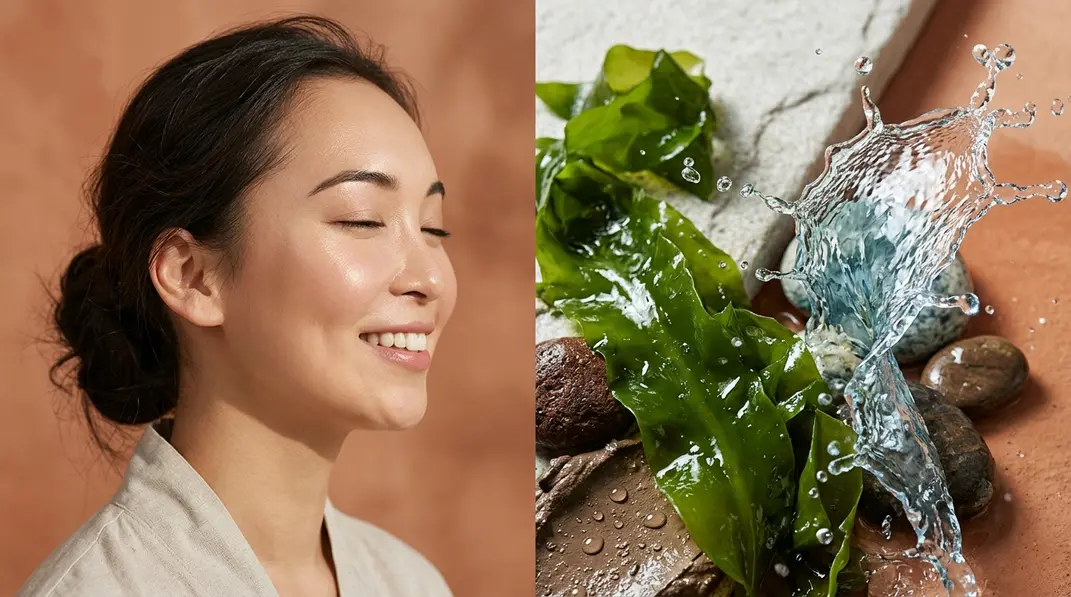
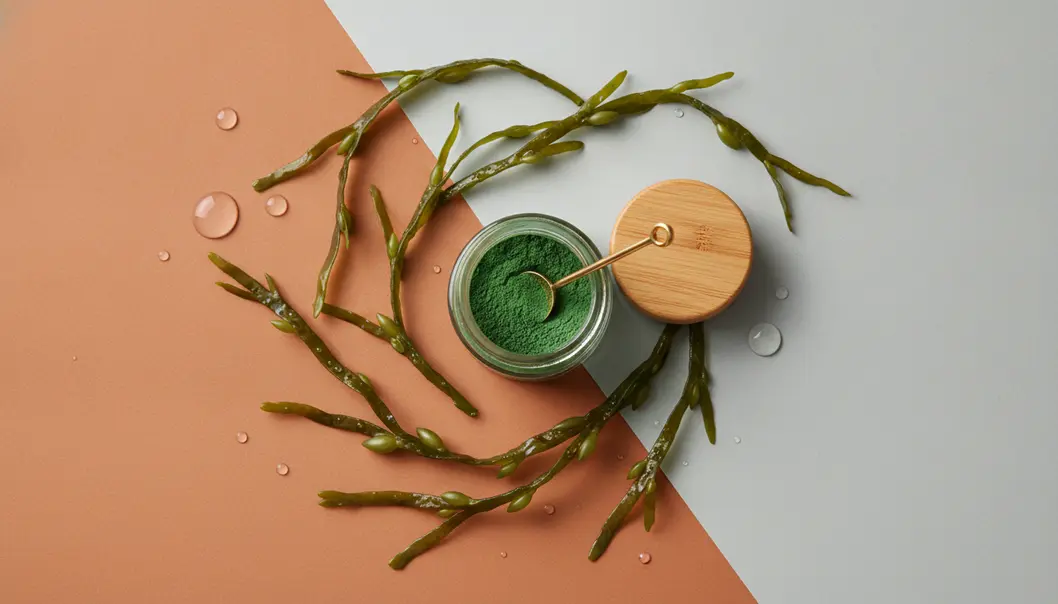
A seaweed peel, frequently called an algae peel or coral spicule peel, is a 100% natural resurfacing treatment. Unlike traditional peels that rely on AHAs or BHAs to dissolve dead skin chemically, this treatment uses a physical mechanism. It utilizes microscopic spicules extracted from specific types of seaweed and marine sponges.
When massaged into the skin, these tiny, needle-like structures penetrate the upper layers of the epidermis. They stimulate blood circulation, deliver marine minerals directly into the skin, and trick your body into a rapid cellular turnover response. It sounds a bit intense, I know, but it’s a highly effective way to trigger your skin’s natural healing process!
Because of the micro-spicules, your skin will feel slightly prickly for up to 48 hours after the treatment whenever you touch it. This is completely normal and means the spicules are doing their job deep within your pores!
Why Everyone is Raving About It 📊
So, why choose algae over acids? The benefits of seaweed peeling are quite remarkable, especially if you have sensitive skin that reacts poorly to chemical burns.
| Feature | Seaweed Peel | Chemical Peel |
|---|---|---|
| Active Agent | Natural marine spicules | Acids (AHA, BHA, TCA) |
| Mechanism | Physical micro-needling & biological renewal | Chemical dissolution of skin bonds |
| Pregnancy Safe | Generally yes (consult doctor) | Mostly no |
| Main Benefits | Acne scars, texture, pigmentation, elasticity | Fine lines, tone, immediate brightness |

What to Expect: The Peeling Timeline ⏳
If you’ve never had a peel before, the downtime can be a bit daunting. I remember being quite nervous about how my face would look at work! Here is a realistic breakdown of what happens over the week following a seaweed peel.
- Days 1-2: Skin will be red, warm, and feel like a mild sunburn. The signature prickly feeling is most prominent now.
- Days 3-4: The magic begins. Your skin will feel tight and dry, and peeling will start, usually around the mouth and nose first.
- Days 5-7: The peeling spreads to the rest of the face. By day 7, fresh, incredibly smooth, and bright baby skin is revealed!
It is totally annoying when your skin is flaking, but you must NOT pull or pick at the peeling skin. Doing so can cause hyperpigmentation or permanent scarring. Let it fall off naturally.
Essential Aftercare Routine 💧
Post-peel care is just as important as the treatment itself. Since your skin barrier is temporarily compromised, you need to baby it and treat it with the utmost gentleness.
📝 My Go-To Healing Protocol
Cleansing: Only use cold or lukewarm water for the first 48 hours. Avoid all harsh foaming cleansers or active ingredients.
Hydration: Drench your skin in soothing gels (like aloe vera or centella asiatica) and simple hyaluronic acid serums.
Protection: Physical sunscreen (mineral SPF) is non-negotiable. Reapply every 2 hours if you are near windows or outdoors.
🔢 Post-Peel Healing Calculator
Curious when your skin will fully recover and be ready for that big event? Enter the day you plan to get your peel below.

📝 Summary & Takeaways
To be honest, the few days of flaking are entirely worth the results. Let’s wrap up the core points of the seaweed peel!
Seaweed Peel Recap
FAQ ❓
I truly think this treatment is a phenomenal option for those who want dramatic, glass-skin results without the risk of chemical burns. Have you ever tried an algae or seaweed peel? Or are you planning to take the plunge? If you have more questions or want to share your own experience, feel free to ask in the comments! 😊
Disclaimer: This content is for informational purposes only. Skincare results vary by individual, and this is not a substitute for professional medical advice. Please consult a licensed professional or dermatologist for personalized guidance.