

Let’s be honest, talking about vaginal care can sometimes feel a bit awkward, right? 😊 But it really shouldn’t be! As women, our intimate health is a crucial part of our overall well-being. Whether you’ve experienced mild discomfort, yeast infections, or simply want to know if you’re doing things \”right,\” you’re definitely not alone. I’ve had my fair share of confusion walking down the feminine care aisle, overwhelmed by all the scented washes and wipes.
The Magic of the Vaginal Microbiome 🔬
Did you know that your vagina is like a self-sustaining ecosystem? It’s truly amazing! The healthy vagina is home to billions of beneficial bacteria, primarily Lactobacillus. These little helpers produce lactic acid, keeping the vaginal pH slightly acidic (around 3.8 to 4.5). This acidic environment is your natural defense against harmful bacteria and yeast.
You might have heard the saying, \”The vagina is like a self-cleaning oven.\” It’s 100% true! You do not need to clean the inside (the vagina). You only need to gently wash the outside (the vulva).
Daily Hygiene: Do’s and Don’ts 🚿
When it comes to daily cleansing, less is definitely more. Over-washing or using harsh chemicals can strip away your natural protection, leading to irritation or infections.
| Habit | Do This ✅ | Avoid This ❌ |
|---|---|---|
| Washing | Warm water or unscented, mild soap on the vulva only. | Douching, scented body washes, or bath bombs. |
| Underwear | 100% cotton underwear that breathes. | Synthetic fabrics like nylon or polyester for daily wear. |
| Moisture | Changing out of wet swimsuits or gym clothes immediately. | Sitting in sweaty clothes for hours. |
Douching washes out the good bacteria and can actually push harmful bacteria up into your reproductive system. It significantly increases the risk of Bacterial Vaginosis (BV) and Pelvic Inflammatory Disease (PID).
Diet and Lifestyle for Intimate Health 🥗
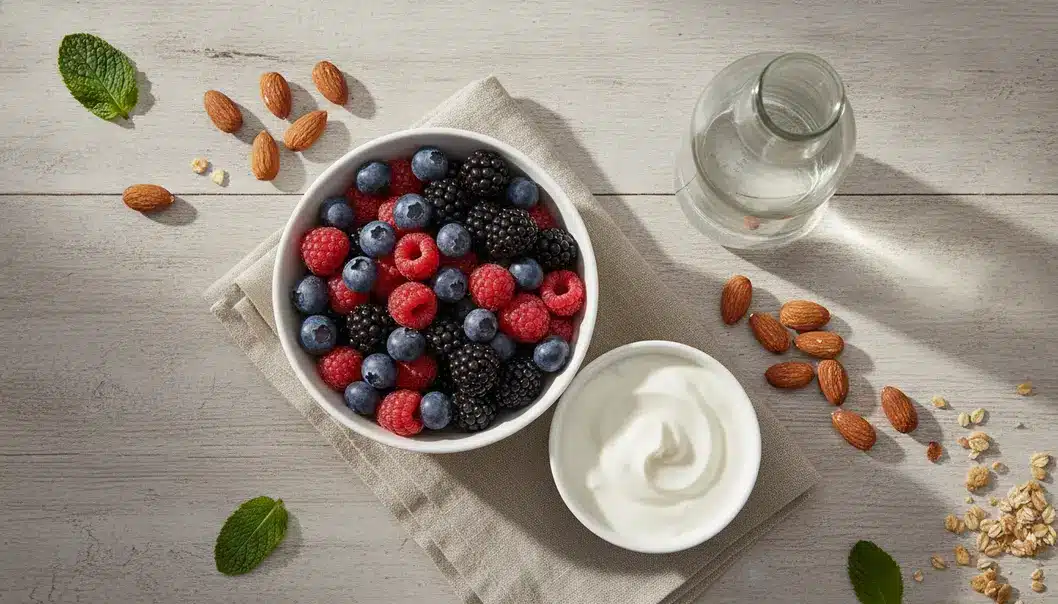
We often forget that what we eat affects every part of our body, including our vaginal health! Staying hydrated is rule number one, but adding certain foods to your diet can make a huge difference.
📝 Example: A Vaginal-Friendly Daily Menu
- Breakfast: Greek yogurt (rich in live probiotics!) with fresh berries.
- Lunch: A vibrant salad with leafy greens and a side of kimchi or kombucha (more fermented goodness).
- Snack: A handful of almonds and plenty of water.
- Dinner: Salmon (high in Omega-3s to reduce inflammation) with sweet potatoes.
Probiotics are truly your best friend here. Fermented foods help maintain that beautiful balance of good bacteria we talked about earlier! If you struggle to get enough from food, you might consider a high-quality probiotic supplement after consulting with your doctor.
Check Your Habits: A Mini Calculator 🔢
Wondering if your daily routine is optimal for your intimate health? Try this quick habit checker to see where you stand!
🔢 Vaginal Health Habit Score

📝 Summary: Core Vaginal Care Principles
Let’s wrap up everything we’ve learned today into a neat little package so you won’t forget!
Key Takeaways
FAQ ❓
I truly hope this guide has helped clear up some of the confusion surrounding vaginal care. Taking care of your intimate health shouldn’t be a source of stress—it’s just another form of self-love! 💕
Disclaimer: The information provided in this article is for educational purposes only and does not substitute professional medical advice. If you are experiencing persistent discomfort, abnormal discharge, or pain, please consult a healthcare professional.
If you have any more questions or want to share your own tips, feel free to leave a comment below! 😊