
Have you ever caught your side profile in a mirror or a candid photo and immediately fixated on that little bump on your nose? Trust me, I know exactly how that feels. 😊 It is totally normal to have a dorsal hump, but if it has been bothering you for years, you might have considered getting it smoothed out. Recently, South Korea has become the ultimate global hotspot for this specific procedure, and honestly, it is not hard to see why!
Understanding Hump Nose Correction 🤔
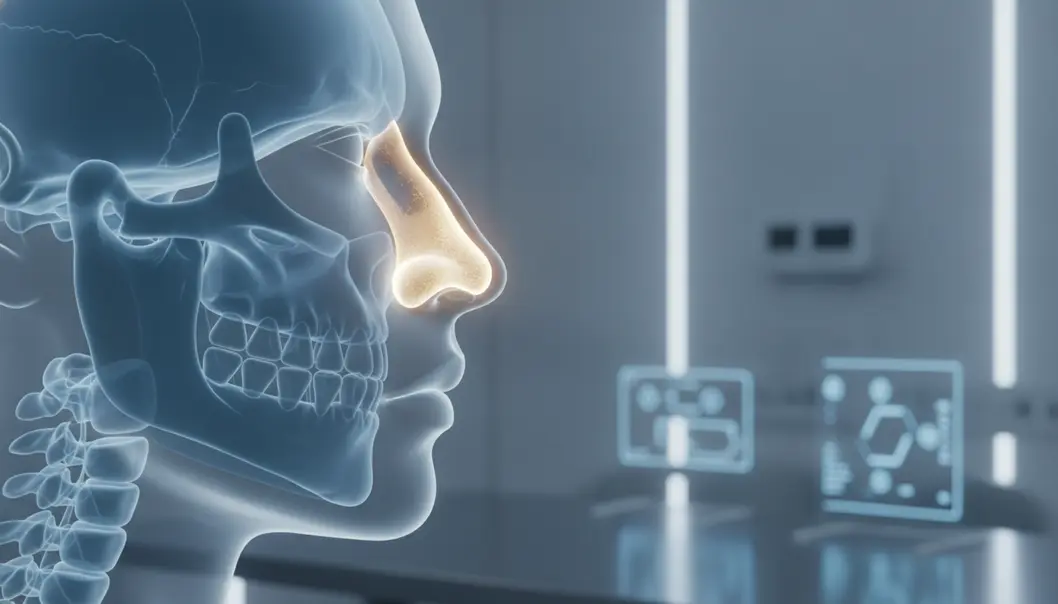
So, what exactly is a hump nose? Basically, it is an overgrowth of bone and cartilage on the bridge of the nose. Correcting it isn’t just about filing it down; it is about reshaping the entire nasal structure so it harmonizes perfectly with the rest of your facial features. I think the most fascinating part is that everyone’s hump is entirely unique—some are mostly bone, while others are mostly cartilage.
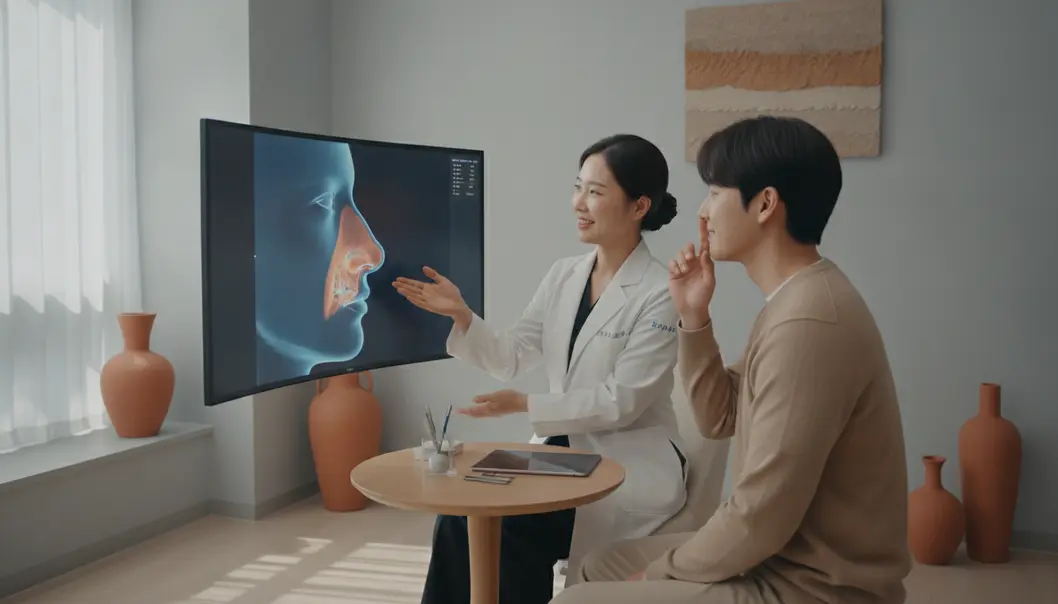
In South Korea, surgeons approach this with an incredibly meticulous mindset. Instead of a one-size-fits-all aggressive shave, they focus on balance. Korean clinics utilize advanced 3D CT scanning to analyze the exact composition of the bump before you even hit the operating table!
Asian rhinoplasty for hump noses often differs significantly from Western techniques. While Western patients usually just need the hump reduced, many Asian patients require the hump shaved down and the tip elevated or bridge slightly augmented to create a defined, elegant line!
Why Choose South Korea? 🇰🇷
You might be wondering, \”Why should I fly all the way to Seoul?\” To be honest, it boils down to unparalleled expertise and aesthetic sensibility. Korean plastic surgeons perform thousands of rhinoplasties annually, mastering complex techniques that minimize scarring and maximize natural results. They don’t want you looking \”done\”; they want you looking like the best version of yourself.
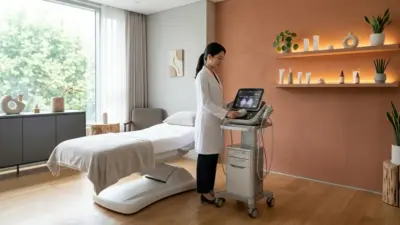
Moreover, the aftercare in Korean clinics is legendary. From deswelling laser treatments to pumpkin juice (a Korean staple for reducing swelling!), they really hold your hand through the entire recovery journey.
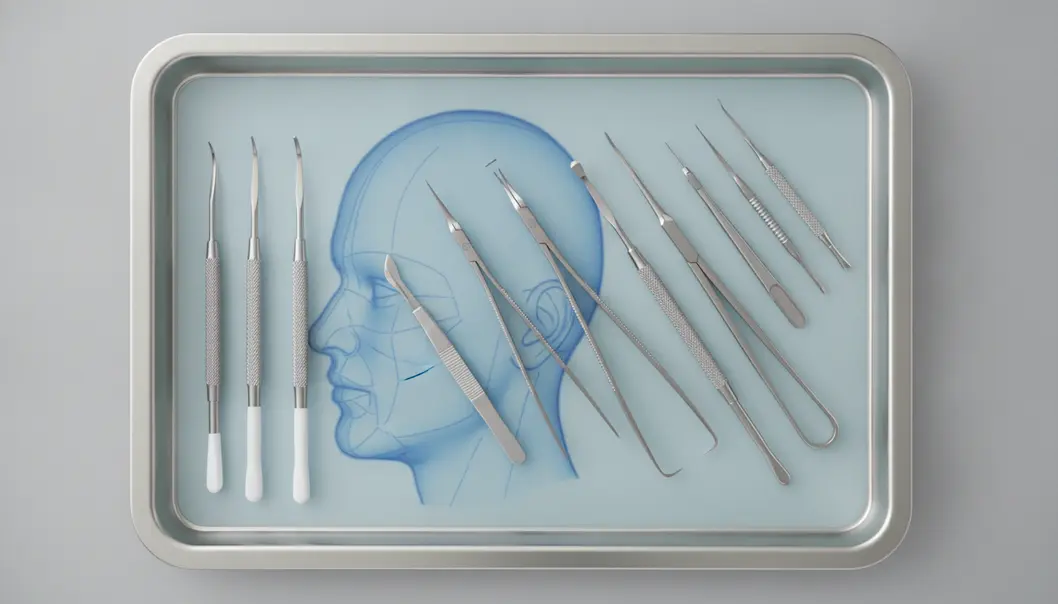
How is the Procedure Done? 🛠️
Depending on the severity of your hump, your surgeon will generally choose between two primary methods. Let us break them down simply:
| Technique | Best For | Description |
|---|---|---|
| Shaving (Rasps) | Mild to moderate humps | The surgeon gently files down the excess bone and cartilage. |
| Osteotomy | Severe, wide humps | The nasal bones are carefully fractured and repositioned to close any ‘open roof’ created by removing a large hump. |
Beware of \”silicone-only\” solutions for hiding a hump! Placing a silicone implant directly over a hump without shaving it can lead to implant instability over time. Top Korean clinics highly recommend using autologous cartilage (like from your ear or rib) for the safest, most natural tip definition.
Estimating the Costs 🧮
Budgeting for surgery in a foreign country can feel overwhelming. Generally, a primary rhinoplasty in Korea ranges from $3,500 to $6,000 USD, depending on complexity. Let us try out a fun, simple calculator to get a rough estimate!
🔢 Hump Nose Surgery Cost Estimator
Real-Life Case: Sarah’s Journey 📚
To give you a clearer picture, let’s look at a realistic scenario based on what many international patients experience.
📝 Example: From Bumpy to Beautiful
- Patient Profile: 28-year-old female with a prominent dorsal hump and a slightly drooping tip.
- The Plan: 3D CT scan, mild hump shaving, and using ear cartilage to support and lift the tip.
- The Result: After 2 weeks, 70% of the swelling subsided. The result was a sleek, straight bridge that completely softened her facial features. She mentioned it was truly a confidence booster!
📝 Summary
We have covered a lot of ground today! Let’s wrap up the core takeaways so you can make an informed decision.
Hump Nose Correction Highlights
FAQ ❓
I hope this guide gave you a better idea of what to expect when considering a hump nose correction in South Korea! It really is a life-changing journey for many. If you have any more questions or want to share your own thoughts, feel free to ask in the comments! 😊