I still remember walking out of my very first rock concert. My ears were ringing so loudly I could barely hear my friends talking next to me! It was totally annoying, but at the time, I just thought it was a normal part of the experience. Little did I know, I was actually stressing out some of the most important, fragile, and irreplaceable cells in my body. Today, I want to talk about these incredible little structures, and honestly, they are mind-blowing. 😊
What Exactly is a Hair Cell? 🧐
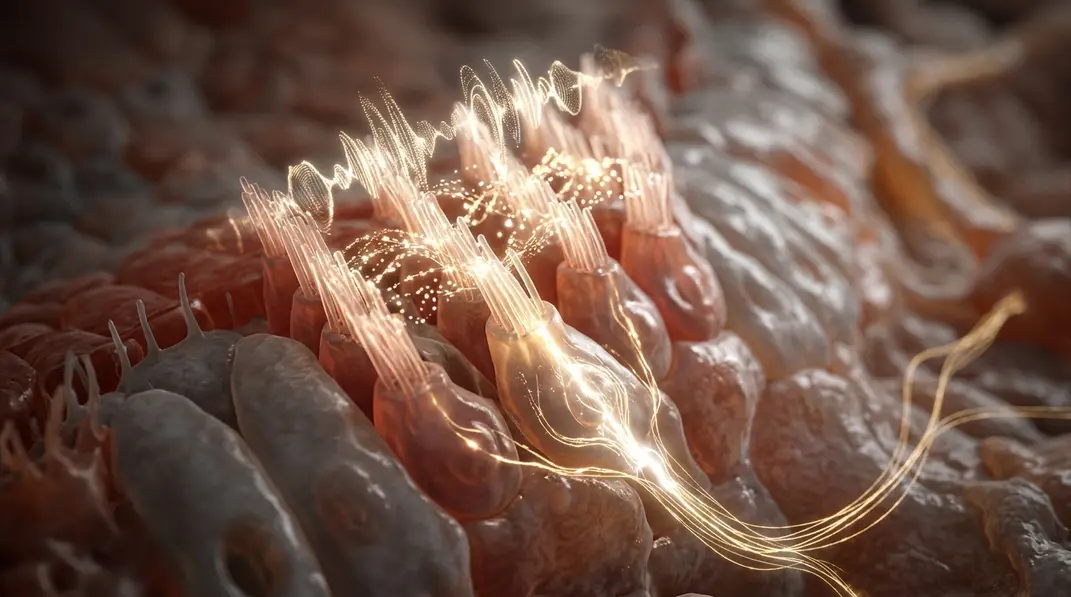
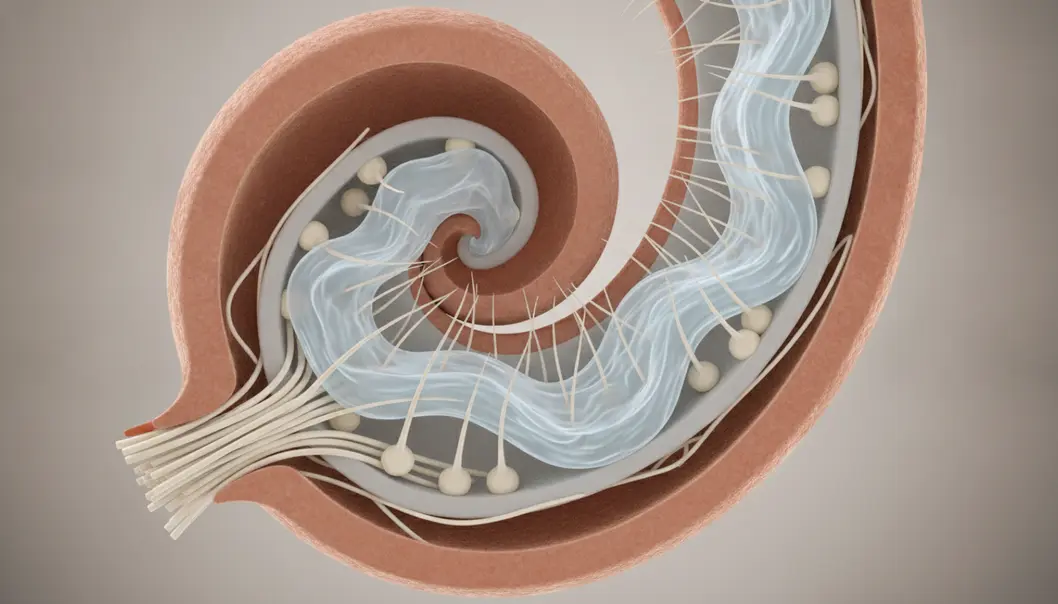
When you hear the term “hair cell,” you might immediately picture the strands of hair growing on your head. But nope! These are completely different. Hair cells are the highly specialized sensory receptors located deep inside our inner ear. To be specific, they live in a snail-shaped organ called the cochlea, as well as in our vestibular system, which manages our balance.
They get their name from the tiny, hair-like projections on their top surface, known as stereocilia. Imagine a microscopic bundle of rigid bristles standing on top of a cell. When sound waves enter your ear, they cause the fluid in your inner ear to ripple, which in turn bends these tiny stereocilia. This bending is the magical moment where mechanical movement becomes an electrical signal that your brain can understand as sound!
Unlike humans and other mammals, birds, frogs, and fish can actually regrow their hair cells if they get damaged. Scientists are currently studying them to see if we can one day replicate this regeneration process in humans!
The Symphony of Hearing & Balance 🎶
So, how does the whole system work together? I think of it as a beautifully choreographed dance. There are actually two main types of these cells in our cochlea, and they have very different but complementary jobs. Let’s break it down simply so it’s super easy to grasp.
| Type of Cell | Primary Function | Vulnerability |
|---|---|---|
| Inner Hair Cells | The true sensory receptors. They send the actual sound signals directly to the auditory nerve and up to the brain. | Fewer in number (about 3,500 per ear), but highly critical for hearing clarity. |
| Outer Hair Cells | The “amplifiers.” They physically contract and expand to amplify soft sounds and fine-tune frequency resolution. | Highly vulnerable to loud noises, ototoxic drugs, and age-related wear and tear. |
Isn’t it fascinating? The outer ones act like little biological motors, boosting the sounds we need to hear, while the inner ones are the main communicators sending the final message to the brain. When these “motors” get tired or broken, we lose our ability to hear soft sounds and distinguish between different pitches in noisy environments.
Certain medications, known as ototoxic drugs (like specific high-dose antibiotics or chemotherapy agents), can be toxic to these delicate structures. Always consult with your doctor if you experience sudden ringing in the ears or hearing loss after starting a new medication!
The Danger Zone: Why They Don’t Bounce Back 🚨
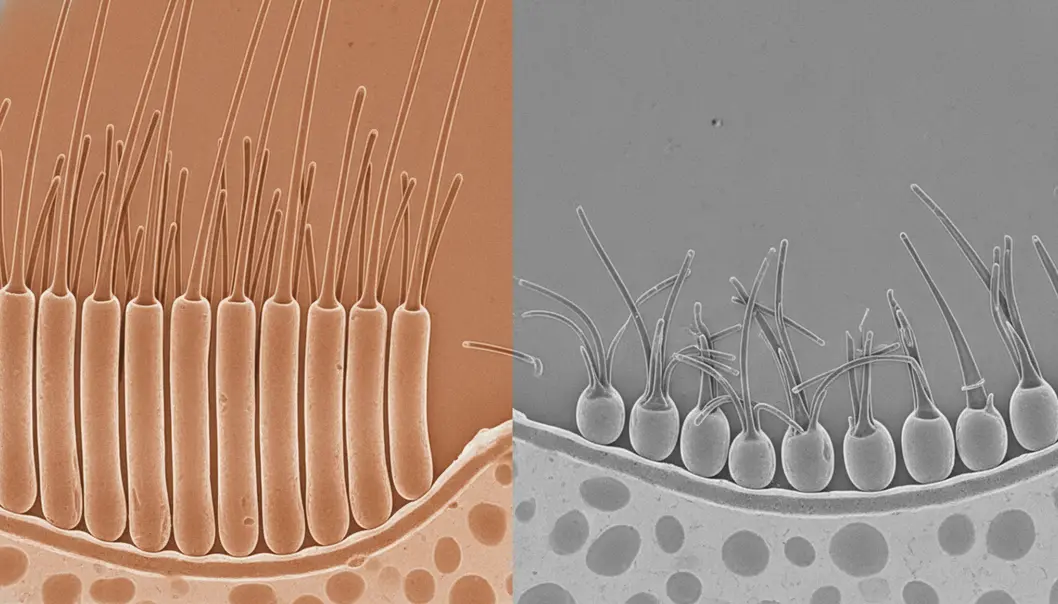
Here is the really sad truth about human hair cells: once they die, they are gone forever. Yes, you read that right. In mammalian ears, there is no natural regeneration process. Every time we blast our headphones at max volume, we risk permanently bending and breaking those tiny stereocilia.
Generally, prolonged exposure to sounds over 85 decibels (dB) can cause sensorineural hearing loss. To put that in perspective, normal conversation is about 60 dB, a lawnmower is around 90 dB, and a loud rock concert can easily hit 110-120 dB.
📝 Real-Life Example: The Concert Aftermath
Let’s go back to my concert experience. If I stood near the speakers where the noise level was 115 dB, my safe listening time before permanent damage begins is less than 30 seconds!
- The Event: Standing near speakers at 115 dB.
- The Reaction: Stereocilia are violently whipped back and forth by the intense sound waves.
- The Result: Metabolic exhaustion, cell death, and that notorious ringing (tinnitus) which is basically your brain’s phantom pain for a dying cell.
To help you figure out how long you can safely listen to your environment, I’ve created a simple calculator below based on standard occupational health guidelines. It uses a “3 dB exchange rate,” meaning every 3 dB increase cuts your safe listening time in half!
🔢 Safe Listening Time Calculator
📝 Summary & Visual Recap
We’ve covered a lot of ground today! To make things super easy to remember, I’ve put together this quick visual summary card of the most important takeaways.
Hair Cell Essentials
FAQ ❓
I really hope this article helped you understand just how incredible—and fragile—our auditory system is. Taking care of your ears is an investment in your future quality of life. If you have any more questions about hearing health, or if you’ve had your own experiences with tinnitus, feel free to share in the comments below! Stay safe and keep the volume at a healthy level! 😊
Disclaimer: The information provided in this article is for educational purposes only and does not substitute professional medical advice. If you suspect hearing loss, please consult an audiologist or an ENT specialist.