
We have all been there, haven’t we? Maybe it was a spontaneous matching tattoo with a best friend, a name of an ex-partner, or simply a design that you have outgrown over the years. To be honest, I completely understand the feeling of looking in the mirror and wishing you had a magic eraser. 😊 When I first started looking into tattoo removal, I felt totally overwhelmed by all the scientific jargon and scary stories online. But don’t worry! Today, I want to walk you through the entire process as if we were just chatting over a cup of coffee.
How Does Laser Tattoo Removal Actually Work? 🔬
If you’re like me, you probably thought the laser just “burned” the tattoo off. But the reality is actually much cooler—and less terrifying! When you get a tattoo, the needle injects ink particles deep into the dermis layer of your skin. These particles are incredibly large. Your immune system recognizes them as foreign invaders and tries to remove them, but because the ink chunks are so massive, your tiny white blood cells just can’t carry them away. This is why tattoos are permanent.
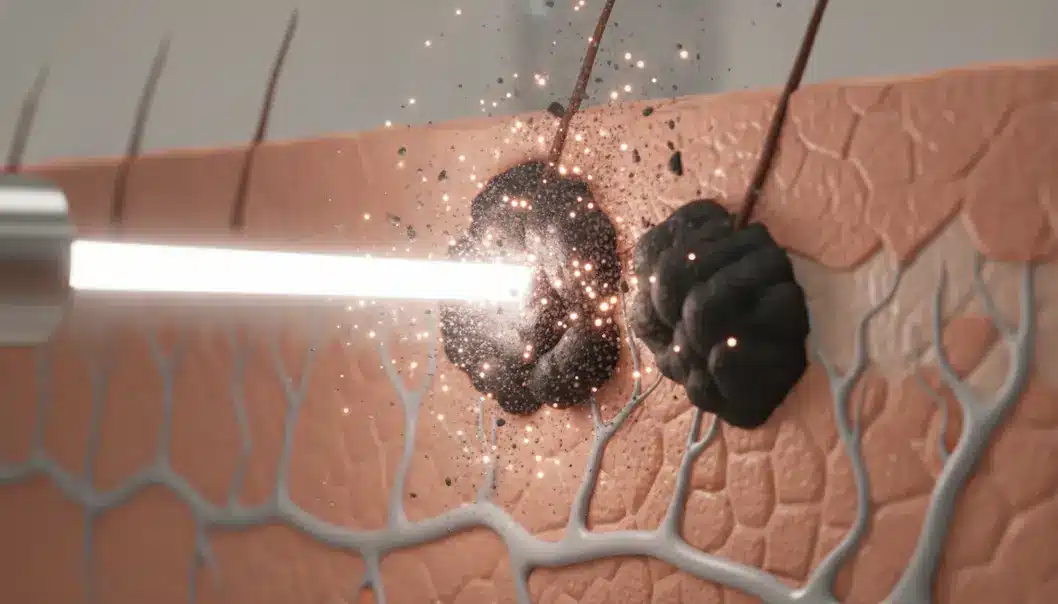
Enter the laser! The laser sends ultra-fast pulses of light energy into the skin. This energy is absorbed by the tattoo pigment, causing the large ink particles to heat up rapidly and shatter into thousands of microscopic fragments. Once the ink is broken down into these tiny dust-like pieces, your body’s immune system (specifically cells called macrophages) can finally swoop in, gobble them up, and naturally flush them out of your system.
You will likely hear these two terms a lot. Q-Switched lasers measure light pulses in nanoseconds (billionths of a second), while Pico lasers use picoseconds (trillionths of a second). Pico lasers shatter the ink into even smaller fragments, often leading to faster removal!
Comparing Laser Technologies 📊
| Laser Type | Pulse Speed | Ink Shattering Power | Best For |
|---|---|---|---|
| Q-Switched (Nanosecond) | Billionths of a second | Breaks ink into small pebble-sized fragments | Standard black tattoos, budget-friendly options |
| Picosecond (Pico) | Trillionths of a second | Pulverizes ink into fine sand-like dust | Stubborn colors (blue/green), faster overall clearance |
Why Some Tattoos Fade Faster Than Others ⏱️
I get asked this all the time: “Exactly how many sessions will I need?” The truth is, there is no magic number. Your body is doing the heavy lifting to flush the ink, so everyone’s timeline is completely unique. However, there are a few major factors that impact the speed of your tattoo removal journey.
First off, ink color plays a massive role. Black ink is surprisingly the easiest to remove because it absorbs all wavelengths of laser light. On the flip side, bright colors like light blue, green, and yellow can be quite stubborn and often require a specialized laser. The location of your tattoo matters, too! Tattoos located closer to your heart (like on your chest or back) fade faster because the blood circulation is incredibly strong there. Tattoos on your hands or feet? They usually take a bit longer.
📝 Example: Sarah’s Removal Journey
Let me share a quick example. Sarah had two tattoos she wanted to remove at the exact same time:
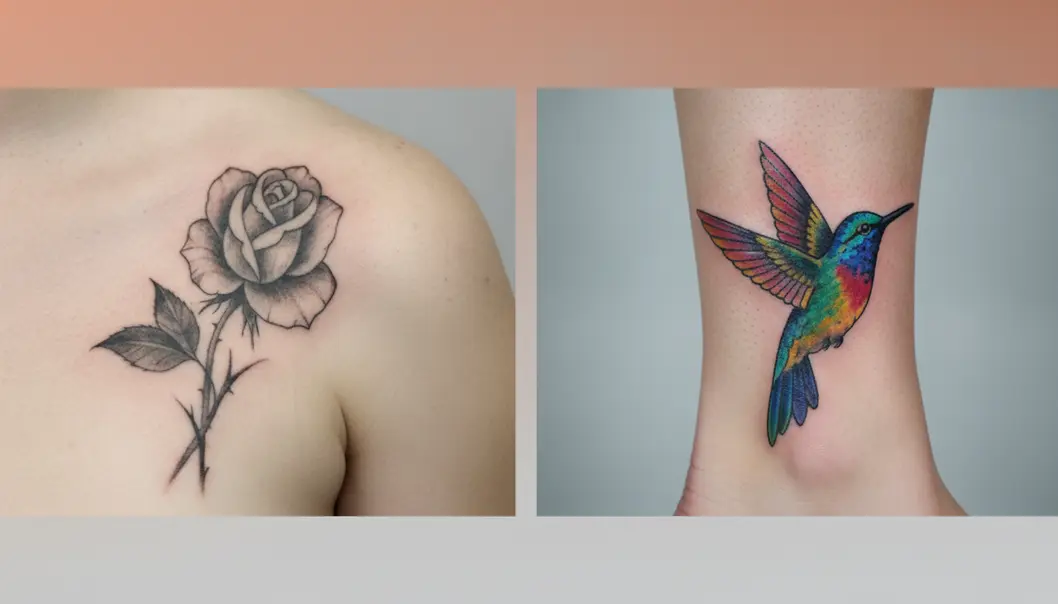
- Tattoo A: A 10-year-old faded black stick-and-poke on her shoulder.
- Tattoo B: A 2-year-old vibrant, multi-colored professional piece on her ankle.
Because Tattoo A was older, black, and closer to her heart, it was almost completely gone after just 4 sessions. Tattoo B, however, was newer, colorful, and far from her heart—it took 10 sessions to fully clear. It really goes to show how different every tattoo is!
Try the Removal Session Estimator 🧮
Want a rough idea of what to expect? Try this simple interactive calculator based on common variables. Keep in mind, this is just a fun estimate—only a certified technician can give you an accurate quote! 😊
🔢 Tattoo Removal Session Estimator
You absolutely must keep your tattoo out of the sun before and during the removal process. Lasers target pigment. If your skin is tanned, the laser might target your natural melanin instead of the ink, causing severe burns or long-lasting hyperpigmentation!
The Aftercare: Taking Care of Your Skin 🩹
Let’s talk about the days immediately following your session. I’m not going to sugarcoat it—the treated area is going to feel a bit like a bad sunburn. You might experience some swelling, redness, and even blistering. Blistering is actually a completely normal immune response as your body tries to heal the treated skin.
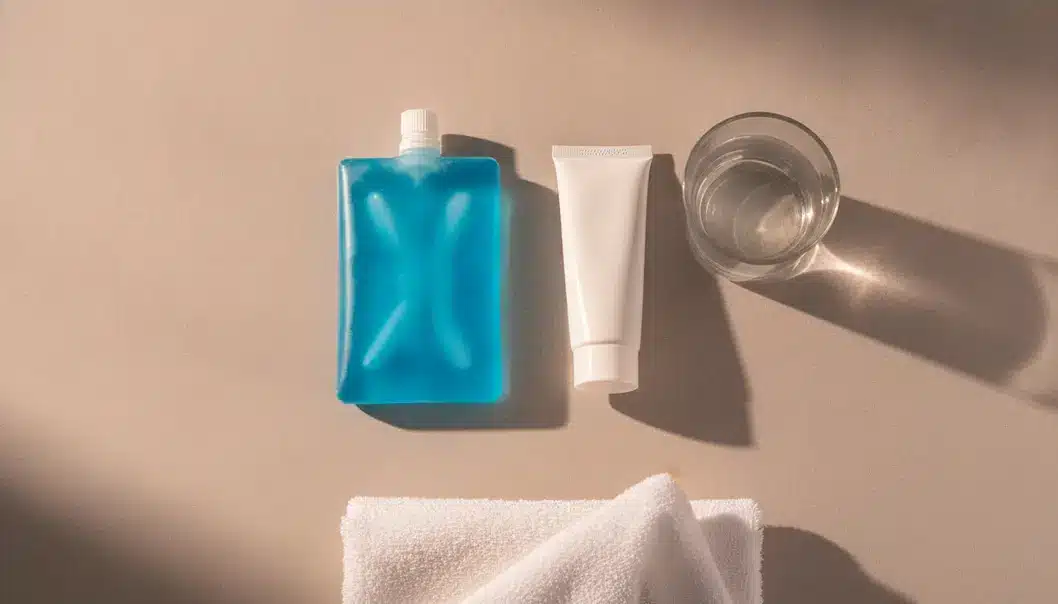
- Keep it cool: Apply ice packs wrapped in a clean, soft cloth for the first 24 hours to significantly reduce swelling.
- Leave blisters alone: I know it’s extremely tempting, but whatever you do, do not pop the blisters! They act as a natural bandage to protect your skin from infection.
- Moisturize properly: Use a healing ointment recommended by your laser technician for the first few days to keep the barrier hydrated.
- Stay hydrated: Drink plenty of water! Your immune system relies on good hydration to efficiently flush out those shattered ink particles.
📝 Summary & Key Takeaways
We have covered a lot of ground today! Erasing a tattoo is truly a journey, not a sprint. It takes time and patience, but watching that unwanted ink fade away makes it all worth it.
Tattoo Removal Essentials
FAQ ❓
I really hope this guide helped demystify the tattoo removal process for you! Taking that first step to erase old ink can feel scary, but knowing what to expect makes it so much easier. Have you started your removal journey, or are you just thinking about it? If you have any more questions, feel free to ask in the comments! 😊