
Have you ever scrolled through social media, mesmerized by those flawless before-and-after photos from Korean plastic surgery clinics? Honestly, I completely understand the appeal. South Korea has earned a global reputation as the absolute mecca of beauty transformations. But behind the glossy marketing, state-of-the-art facilities, and celebrity endorsements, a nagging question remains for many of us: Is Korean plastic surgery actually safe? 😊
To be completely honest, it is really easy to get swept up in the magic of K-beauty. The country boasts some of the most advanced medical technologies and highly skilled surgeons in the world. However, because it is a medical procedure, and you are traveling abroad, safety should be your absolute top priority. I think it is totally normal to feel a bit anxious about going to a foreign country for surgery!
Understanding the Industry Standards 🏥
South Korea has a massive medical tourism industry, heavily supported by the government. Clinics in areas like Gangnam are fiercely competitive, which naturally drives up the quality of service and technology. You will often find clinics that look more like luxury hotels than hospitals! But this rapid growth also brought some dark sides, such as the infamous ghost surgery (shadow doctors) issue, where an uncertified doctor steps in while the patient is asleep. It was truly terrifying news when it first broke out.
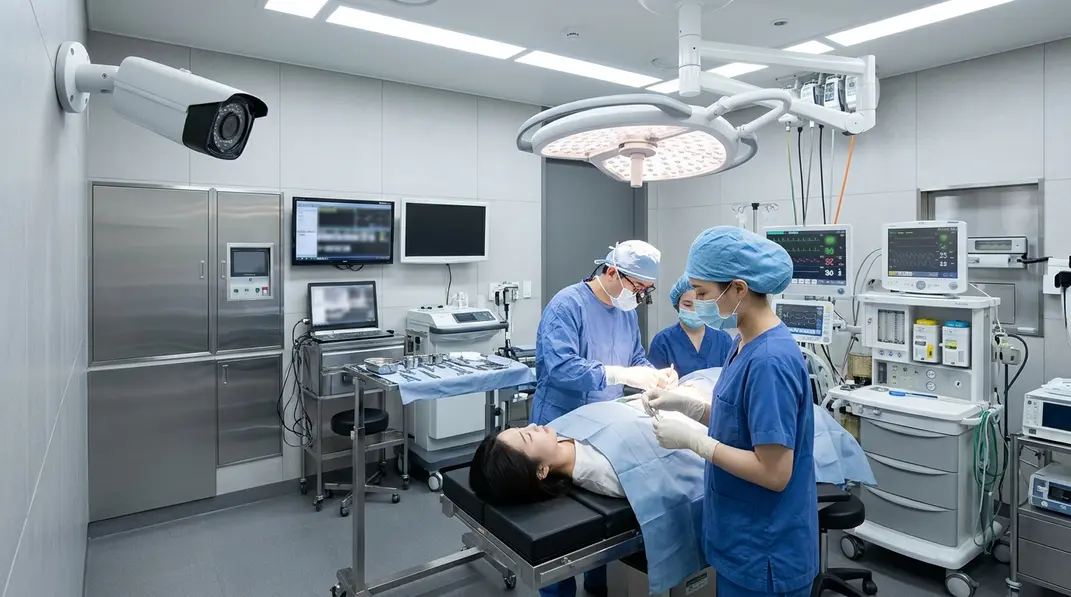
Thankfully, the Korean government has taken strong measures. In September 2023, a groundbreaking law was passed mandating CCTV cameras in all operating rooms. This was a massive win for patient safety! While no medical procedure is 100% risk-free, these strict regulations make the environment much safer today than it was a few years ago.
Expectations vs. Reality in Korean Clinics
| Factor | The Hype (Expectation) | The Reality (Fact) |
|---|---|---|
| Technology | Magical machines that guarantee zero pain. | Highly advanced 3D imaging & minimal invasive tools, but standard recovery pain still applies. |
| Surgeons | Every doctor in Gangnam is a top-tier expert. | Skill levels vary wildly. You must specifically seek out a Board-Certified Plastic Surgeon. |
| Pricing | It is always cheaper than in the West. | High-quality, safe clinics charge premium prices. Extremely cheap quotes are a huge red flag. |
Most major clinics targeting international patients have dedicated in-house translators. However, always ensure your translator will be present not just during the consultation, but right up until you go to sleep in the operating room, and during your post-op care!
Key Safety Indicators You Must Check 📊
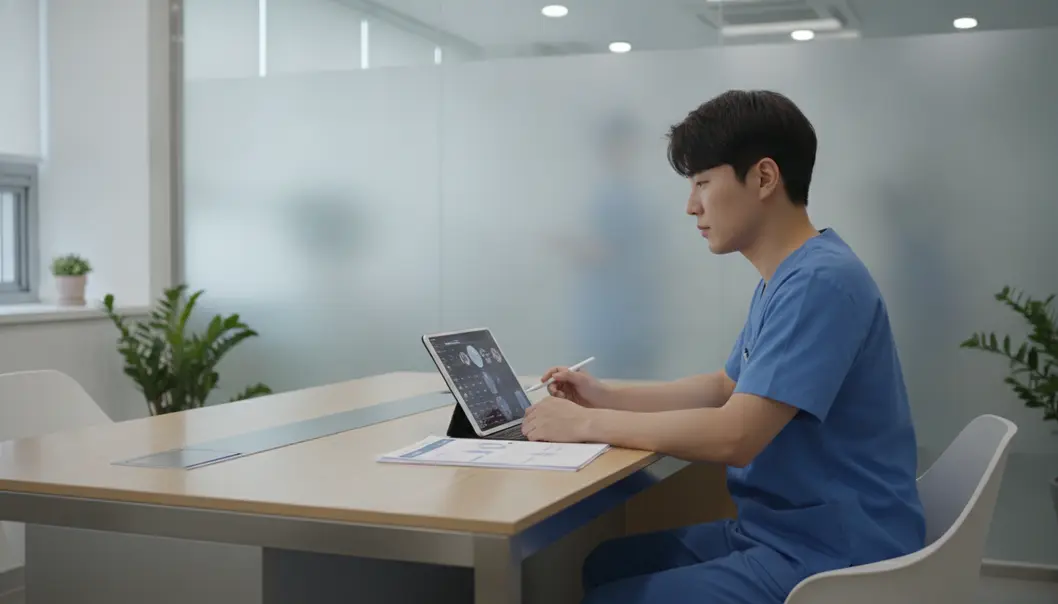
Now, let’s get into the nitty-gritty. If you are seriously considering booking a flight, how do you separate the world-class clinics from the dangerous ones? It all boils down to a few critical safety indicators. I cannot stress this enough—your safety is literally in your hands during the research phase!
First and foremost is Board Certification. In Korea, any doctor with a medical license can legally perform cosmetic procedures. Yes, you heard that right! A general practitioner or an eye doctor can open a clinic and do liposuction. To ensure you are in safe hands, you must verify that your doctor is a specialist certified by the Korean Society of Plastic and Reconstructive Surgeons (KSPRS). Board-certified specialists have undergone years of rigorous, specialized training.
Beware of unsolicited messages on social media offering heavy discounts. Illegal brokers often push patients towards unsafe, uncertified clinics in exchange for massive commissions. Always book directly with the clinic or use government-approved medical tourism agencies.
Another massive factor is anesthesia. Anesthesia complications are the leading cause of major medical accidents in plastic surgery globally. A top-tier, safe clinic in Korea will always have a dedicated, in-house board-certified anesthesiologist (not a freelancer who rushes between clinics). They monitor your vitals from the moment you go under until you wake up.
🔢 Clinic Safety Score Calculator
Use this quick tool to evaluate a clinic you are researching. Select the options that apply to them.

Practical Example: Sarah’s Safe Surgery Journey 👩💼
To make this super clear, let me share a hypothetical but very realistic scenario of how to do things the right way. Let’s look at Sarah, who wanted to travel to Seoul for rhinoplasty. Initially, she found a clinic on Instagram offering a “package deal” for just $1,500. It was really tempting!
📝 Sarah’s Research Process
- Red Flag Check: She searched the cheap clinic’s doctor on the KSPRS database and found he was only a general physician, not a plastic surgeon.
- Pivoting: She utilized a government-approved medical tourism platform to find 3 fully certified clinics.
- Consultation: She booked online video consultations to verify if they had an in-house anesthesiologist and CCTV in the operating rooms.
The Result: Sarah chose a slightly more expensive clinic ($4,000), but she had immense peace of mind. Her surgery went flawlessly, and she recovered safely with proper aftercare.
Sarah’s story is the perfect example of why you should never cut corners when it comes to your body and health. The peace of mind is worth every extra penny!
Korean Plastic Surgery Safety Guide
FAQ ❓
📝 Summary & Final Thoughts
To wrap things up, South Korea remains a top-tier destination for cosmetic procedures. The technology, the artistry of the surgeons, and the comprehensive care facilities are genuinely world-class. But as we’ve discussed, the industry’s rapid growth means you cannot just blindly trust shiny marketing. You must be your own biggest advocate!
Do your homework, check those KSPRS credentials, ask tough questions about anesthesia and CCTV, and never compromise your health for a cheap price tag. If you follow these critical steps, your experience in Korea can be safe, transformative, and incredibly rewarding.
Are you planning a trip to Seoul soon, or do you still have lingering worries about medical tourism? If you have more questions or want to share your thoughts, feel free to ask in the comments below! I’d love to help you navigate this journey safely. 😊