
Undergoing plastic surgery is always a big decision, and it can be incredibly disheartening when the results aren’t what you hoped for. I completely understand how stressful it is to look in the mirror and feel unhappy with your eyes after a procedure. You’re definitely not alone in this! 😊 Many people experience issues like asymmetry, overly high folds, or severe scarring from their initial surgeries.
The good news? Eye revision surgery offers a second chance to achieve the look you originally desired. Today, we’re going to dive deep into why so many international patients travel to South Korea for their eye revision procedures, what to expect, and how to prepare for this life-changing journey.
Why South Korea is the Hub for Eye Revisions 🇰🇷
When it comes to aesthetic procedures, particularly Asian eyelid surgery (blepharoplasty), South Korea is arguably the global leader. But why is it the go-to place specifically for revision surgeries?
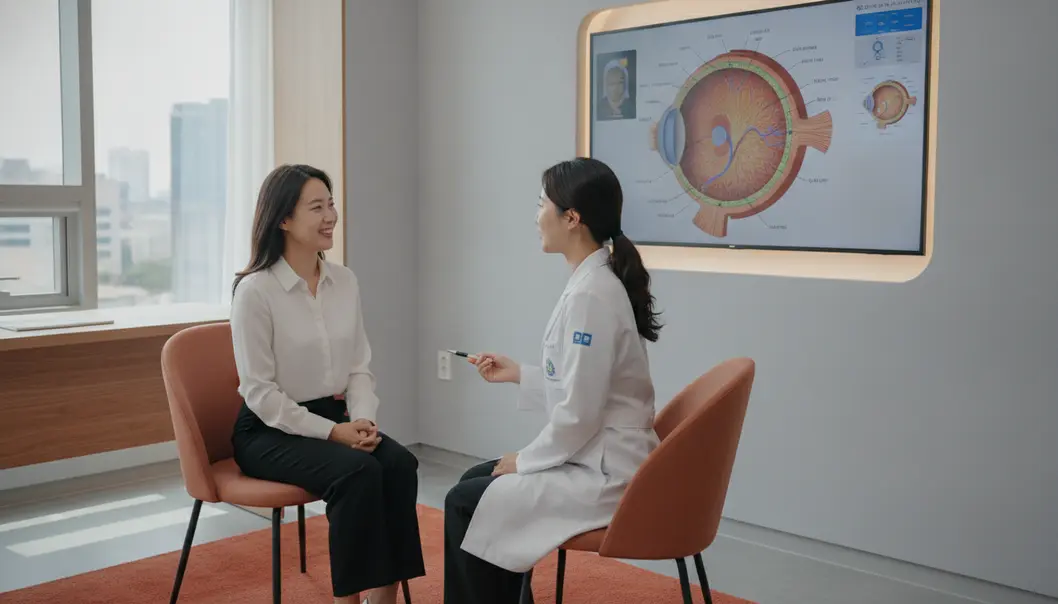
First and foremost, the sheer volume of surgeries performed in Korea translates to unmatched surgical experience. Revision surgery is exponentially more difficult than a primary surgery because the doctor has to navigate through existing scar tissue and altered anatomy. Korean board-certified plastic surgeons have seen virtually every complication imaginable.
Always ensure your chosen clinic in Korea has specialists dedicated exclusively to eye surgeries. A specialist who focuses exclusively on eyes will have a much deeper understanding of the intricate micro-structures of the eyelid.
Common Types of Eye Revision Cases 👁️
Every revision case is unique, but there are several common reasons why patients seek a secondary operation. Let’s break down the most frequent issues treated in Korean clinics.
| Condition | Description | Surgical Solution |
|---|---|---|
| Sausage Eyes (High Fold) | The double eyelid fold is placed too high, creating a puffy, swollen look that doesn’t subside. | Lowering the fold by releasing the high fixation and removing excess scar tissue. |
| Asymmetry | The left and right eyes have noticeably different fold heights or shapes. | Adjusting the fixation points on one or both eyes to achieve balance. |
| Loosened/Unfolded Crease | The double eyelid line has become faint or completely disappeared over time. | Re-establishing a stronger fixation, often switching from non-incisional to incisional method. |
| Severe Scarring | Noticeable, depressed, or bumpy scars along the incision line. | Carefully excising the old scar tissue and performing a meticulous, layered closure. |
Do not rush into a revision surgery immediately after your first operation. Swelling and tissue healing can take much longer than you think, and early intervention can cause more harm than good.
The Golden Timing for Revision ⏳
One of the most frequently asked questions is, \”When can I get my revision surgery?\” I know how desperate you might feel to fix an unsatisfactory result right away. To be honest, it requires a lot of patience!
In general, Korean plastic surgeons strongly recommend waiting at least 6 months after your primary surgery. Why? Because the tissues in your eyelids need time to soften, and the internal scars must fully mature. Operating on hard, unhealed scar tissue dramatically increases the risk of complications and poor aesthetic outcomes. In severe cases involving multiple previous surgeries, you might even need to wait up to a year.
Cost Estimation & Preparation 🧮
Budgeting for eye revision in Korea is crucial. Because revision surgeries are highly customized and technically demanding, they naturally cost more than primary surgeries.
🔢 Eye Revision Cost Estimator (KRW)
Select your primary concern to see a rough estimate. Note: Actual prices vary greatly by clinic and individual case complexity.
📝 Real Case Example: High Fold Correction
Patient Background: A 28-year-old female patient presented with severe \”sausage eyes\” 1 year after her initial incisional double eyelid surgery in her home country.
The Process:
- Step 1: In-depth consultation with a Korean revision specialist to map out the existing scar tissue.
- Step 2: Surgical release of the highly tethered scar, removing excess orbital fat that was previously missed.
- Step 3: Creating a new, lower crease (anchoring to the tarsal plate at a natural height).
Outcome: Six months post-revision, the unnatural swelling subsided entirely, leaving a soft, natural in-out fold.
📝 Summary
Eye Revision Checklist
FAQ ❓
Dealing with an unsuccessful eye surgery can take a heavy emotional toll, but remember that skilled hands can turn things around. South Korea’s advanced techniques and vast experience make it a beacon of hope for many seeking eye revisions.
If you are planning your medical journey to Korea or have any lingering questions about the revision process, feel free to ask in the comments below! I’d love to help you on your journey to reclaiming your confidence. 😊
*Disclaimer: The information provided in this article is for educational purposes only and does not substitute professional medical advice. Always consult with a board-certified plastic surgeon regarding your specific condition.