
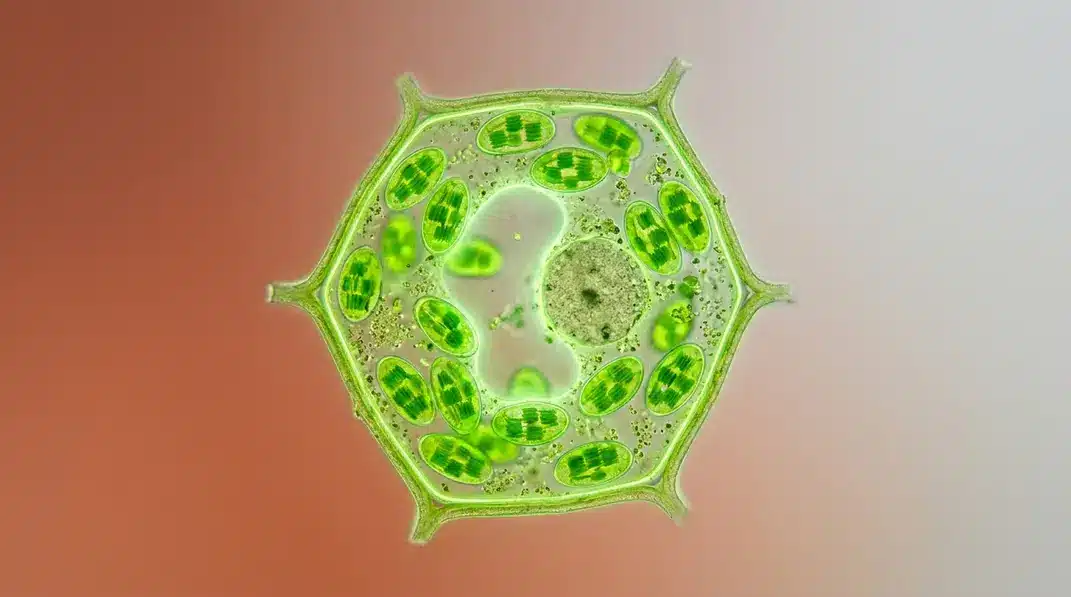
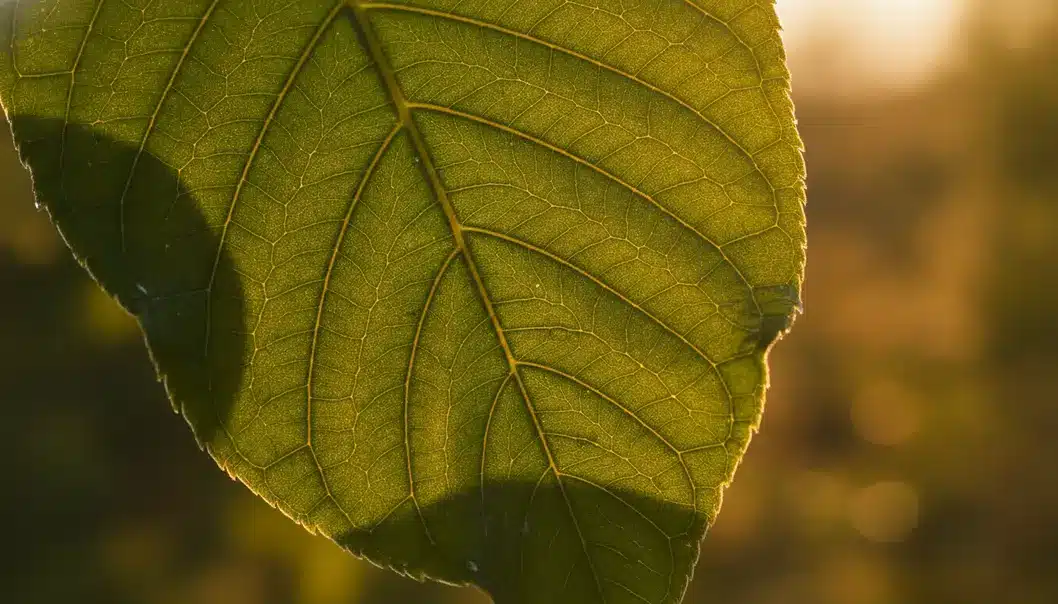
Hello there! 😊 If you’re anything like me, you probably walk past lush green trees and vibrant houseplants every day without giving them a second thought. To be totally honest, I used to think plants were just static decorations of nature, simply sitting there doing nothing. But when I first looked at a leaf under a microscope during a biology class, a whole new bustling world was revealed! The secret behind every leaf’s vibrant color and its very survival is the mighty green cell. Today, we’re going to explore this microscopic marvel together, and I promise it’s much cooler than a boring textbook makes it sound.
The Magic of Chlorophyll 🌿
When we talk about a green cell, we are primarily talking about plant cells that are packed with special tiny organs called chloroplasts. These little structures are filled with a pigment known as chlorophyll. Chlorophyll is the true superstar here because it is exactly what gives plants their signature, vibrant green color.
I think it’s truly amazing that this tiny pigment doesn’t just make the plant look pretty—it acts as a microscopic solar panel. It catches sunlight and uses that pure energy to cook up food for the plant. Without these brilliant green cells constantly working away, life on Earth as we know it simply wouldn’t exist, because they form the very base of our food chain!
Chlorophyll absorbs red and blue light from the sun’s spectrum very efficiently, but it completely reflects green light. That reflected light bounces back to our eyes, which is why we perceive plant leaves as green!
It’s a common misconception to assume that every single part of a plant is made of these green cells. However, plants are highly efficient and only put their solar panels where the sun shines.
Not all plant cells are green! Root cells, for example, live deep underground away from any sunlight. Because they don’t need to catch solar energy, they don’t contain chlorophyll and are completely colorless.
A Microscopic Factory 🏭
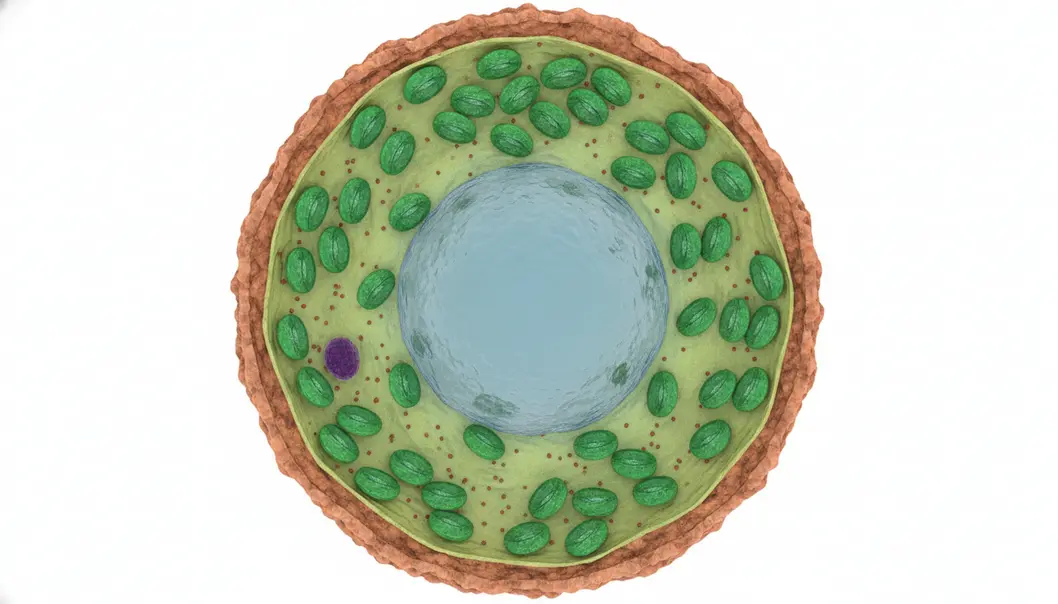
If we were a fraction of our size and could step right inside a green plant cell, we would see that it operates exactly like a highly organized factory. Unlike our own human cells, plant cells have some unique features that help them survive in the wild, standing tall against wind and rain without a skeleton. Let’s look at the key departments working round the clock.
| Cell Organelle | Function in the Cell | Human Cell Equivalent? |
|---|---|---|
| Chloroplast | The solar panel; captures light to conduct photosynthesis. | None (We can’t photosynthesize!) |
| Cell Wall | A sturdy outer brick wall providing shape, rigidity, and protection. | None (Our cells are soft and squishy) |
| Large Central Vacuole | The water tower; stores nutrients, waste, and keeps the cell plump and firm. | Yes, but ours are very tiny. |
| Nucleus | The boss’s office; contains all the DNA and controls cell activities. | Yes, exactly the same! |
The Miracle of Photosynthesis ☀️
Photosynthesis is basically a magical recipe that nature perfected billions of years ago. The green cell acts as the kitchen. The plant takes carbon dioxide from the air and water from the soil, adds a dash of sunlight, and boom—it creates its own food!
📝 The Photosynthesis Formula
6CO₂ + 6H₂O + Light Energy → C₆H₁₂O₆ + 6O₂
- Ingredients: Carbon dioxide (CO₂) and water (H₂O) are the raw materials.
- Heat: Sunlight acts as the energy source to bake it all together.
- Final Product: Glucose (C₆H₁₂O₆) is the food for the plant, and oxygen (O₂) is the wonderful byproduct we breathe!
🔢 Green Cell Size Calculator
Plant cells are incredibly tiny, usually measured in micrometers (µm). A typical plant cell ranges from 10 to 100 micrometers. Want to know how small that is in millimeters (mm)? Let’s calculate it!
It’s truly mind-boggling to think that millions of these microscopic green cells are functioning inside a single leaf, acting as tiny power plants for the earth. Now you can easily understand why preserving our green spaces is so vital for our own survival.

📝 Summary: Let’s Wrap It Up
We’ve covered quite a bit of biological ground today! Let’s quickly review the main points about our fascinating green cells so you can remember the key takeaways.
The Green Cell Highlights
FAQ ❓
I really hope this deep dive into the microscopic universe of the green cell was as fun for you to read as it was for me to write! It’s incredible how much activity happens silently in every leaf around us. If you have any more questions about plant biology, photosynthesis, or anything science-related, feel free to drop a comment below. Keep learning and stay curious! 😊