

Have you ever stared at your closet, completely avoiding those cute summer shorts or skirts because you felt self-conscious about your calves? Honestly, I completely understand. It’s a really common frustration! We spend hours on the treadmill, stretch every night, and yet, those stubborn lower legs just seem to get bulkier instead of slimmer. 😊
For many of us, bulky calves aren’t just about excess fat; they’re often about overdeveloped muscles or genetics. That’s exactly where calf plastic surgery comes into the picture. Today, I’m going to walk you through everything you need to know about contouring your calves, minus the confusing medical jargon.
What Exactly is Calf Plastic Surgery? 🤔
Calf plastic surgery, often referred to as calf reduction or calf contouring, isn’t just one single procedure. It is a broad term that covers various medical techniques designed to reduce the circumference of the lower legs and create a smoother, more proportional silhouette.
To be honest, the key to successful calf contouring is figuring out what’s causing the bulk. Is it mostly muscle (the gastrocnemius muscle, to be specific), or is it a layer of subcutaneous fat? Once you and your doctor figure that out, you can choose the perfect targeted treatment.
Try pinching the back of your calf when your leg is relaxed. If you can grab a thick fold, you likely have some fat to lose. If the skin is thin but the leg is bulky, it’s mostly muscle!
Popular Types of Calf Contouring Procedures 💉
Let’s dive into the main options available today. They range from quick, non-surgical fixes to more permanent surgical interventions.
- Calf Botox (Toxin Injections): This is the most popular and least invasive option. By injecting Botox into the gastrocnemius muscle, the muscle relaxes and gradually shrinks. It’s quick, but the results only last about 4 to 6 months.
- Selective Nerve Blocking: This is a minimally invasive surgical procedure where the doctor locates and safely blocks the specific motor nerves signaling the calf muscle to flex. Over time, the inactive muscle atrophies, resulting in a slimmer look. It offers semi-permanent to permanent results.
- Calf Muscle Resection: A more aggressive surgical approach where a portion of the calf muscle is actually removed. It offers dramatic and permanent results but comes with a longer, tougher recovery period.
- Calf Liposuction: If your bulk is caused by fat rather than muscle, specialized micro-liposuction can be used to suction out the fat cells, beautifully contouring the ankles and calves.
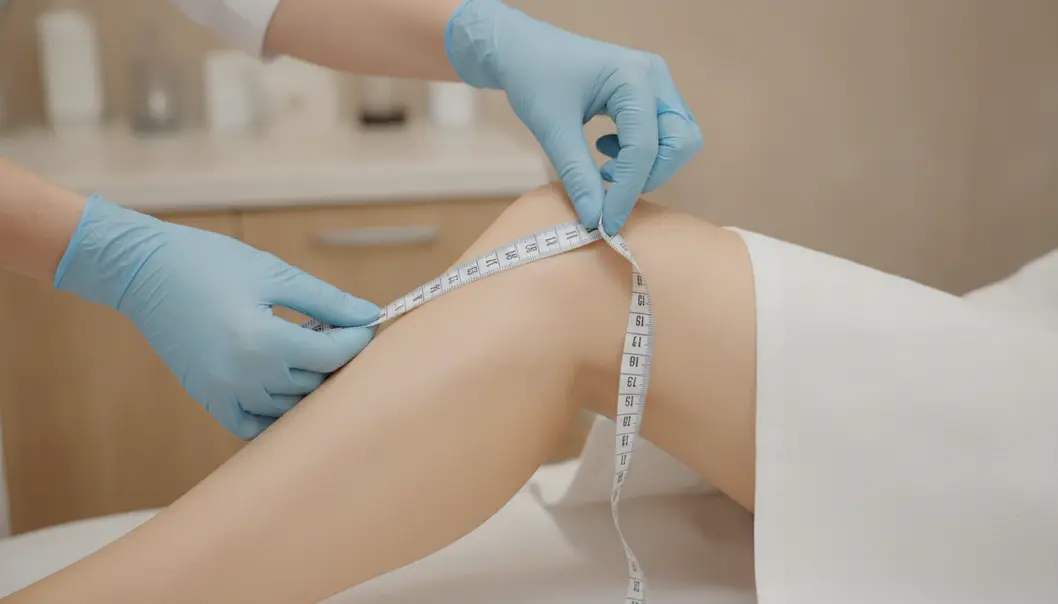
At a Glance: Comparing Calf Procedures 📊
Choosing the right procedure can feel overwhelming, right? To make things super easy to digest, I’ve put together a handy comparison table. Keep in mind that costs and recovery times can vary widely depending on your clinic and location, but this will give you a solid baseline.
| Procedure | Invasiveness | Longevity | Downtime |
|---|---|---|---|
| Calf Botox | Low (Injections only) | 4 – 6 Months | None |
| Nerve Blocking | Medium | Years to Permanent | 1 – 2 Weeks |
| Muscle Resection | High (Surgery) | Permanent | 3 – 6 Weeks+ |
| Liposuction | Medium | Permanent (if weight maintained) | 1 – 3 Weeks |
Are You a Good Candidate? 🏃♀️
I think one of the most common questions I hear is, “Will I still be able to walk or run if I get muscle reduction?” The short answer is absolutely yes! The human body is incredibly adaptable. Procedures like nerve blocking and muscle resection target the superficial gastrocnemius muscle (the outer, cosmetic muscle). The underlying soleus muscle continues to provide the functional strength you need for everyday walking and standard activities.
If you are an elite athlete, a marathon runner, or someone who relies heavily on explosive leg power, muscle-reducing procedures (like resection or nerve blocking) are generally not recommended. It can affect your peak athletic performance. Always consult with a board-certified professional.
The Recovery Reality Check
Let’s be totally honest—recovery is a critical part of the process. If you opt for Botox, you can basically walk right out of the clinic and resume normal life immediately. However, if you go the surgical route, like nerve blocking or liposuction, you will need to wear compression garments for several weeks. This helps reduce swelling and shapes the leg beautifully.
You might experience a pulling sensation, tightness, or mild bruising in the back of your legs. Most patients manage this easily with over-the-counter pain relievers and by elevating their legs while resting. Stretching exercises recommended by your doctor will also become your best friend during this phase!

Planning Your Journey: Estimating Your Calf Type 🧮
Are you wondering if your calves are mostly muscle or fat? I’ve created a fun, simple interactive tool to help you get a basic idea based on common physical indicators. Give it a try below!
🔢 Calf Type Estimator
📝 Real Case Study: Sarah’s Experience
Patient Profile: Sarah (32), an office worker who loved wearing skirts but felt her highly athletic-looking calves didn’t match her upper body.
Procedure Chosen: Selective Nerve Blocking (2022).
The Outcome: After a 2-week recovery involving compression socks and mild soreness, Sarah noticed her calves gradually slimming over 3 to 4 months. Her calf circumference dropped by nearly 3 cm! She reported feeling completely comfortable walking in heels again and finally felt confident in her summer wardrobe. It’s amazing how targeted treatments can truly boost self-esteem.
📝 Summary & Final Thoughts
We’ve covered quite a bit of ground today! To make sure you walk away with all the essential facts, here is a quick visual recap of what we’ve learned.
💡 Key Takeaways: Calf Reduction
FAQ ❓
Choosing to alter your body is a deeply personal decision, and there is absolutely no right or wrong answer. Whether you choose to embrace your natural calves or seek a contouring procedure to achieve your desired aesthetic, the most important thing is that you feel confident and comfortable in your own skin.
If you have any more questions about calf plastic surgery, recovery times, or personal experiences, please drop them in the comments below! I’d love to chat with you and help in any way I can. 😊