

Have you ever taken a deep breath and felt like it just wasn’t enough? For most of us, breathing is so natural that we don’t even think about it. But when I first saw a family member struggle with their breathing due to a severe lung condition, I realized how much we take oxygen for granted. That’s when I was introduced to the world of oxygen therapy. 😊
In this guide, I want to share what I’ve learned about oxygen therapy. Whether you or a loved one has recently been prescribed supplemental oxygen, or you’re just curious about how it all works, I’m here to break it down into simple terms.
The information provided here is for educational purposes only. Always consult with a healthcare professional before starting or adjusting any medical treatments, including oxygen therapy!
What Exactly is Oxygen Therapy? 🤔
At its core, oxygen therapy is a medical treatment that provides you with extra oxygen to breathe. Normally, the air around us contains about 21% oxygen, which is plenty for healthy lungs. However, if you have a respiratory condition, your lungs might struggle to extract enough oxygen from regular air.
When your blood oxygen levels drop too low (a condition known as hypoxemia), it can lead to fatigue, confusion, and damage to vital organs. Oxygen therapy steps in by delivering purified oxygen, ensuring your body gets exactly what it needs to function properly.
For a healthy individual, a normal pulse oximeter reading is typically between 95% and 100%. If it consistently drops below 90%, your doctor might discuss oxygen therapy with you.
Who Needs Supplemental Oxygen? 🫁
I remember wondering, \”Is this just for people in the hospital?\” Not at all! While acute situations (like severe asthma attacks or pneumonia) require temporary oxygen in a clinical setting, many people use oxygen therapy at home on a long-term basis.
| Condition | Description |
|---|---|
| COPD | Chronic Obstructive Pulmonary Disease restricts airflow, making supplemental oxygen a common long-term treatment. |
| Pneumonia | A severe infection that inflames the air sacs, often requiring short-term oxygen therapy. |
| Sleep Apnea | While usually treated with CPAP, some severe cases might require added oxygen during sleep. |
| Heart Failure | When the heart can’t pump efficiently, extra oxygen helps reduce the strain on the cardiovascular system. |
How is Oxygen Delivered? 😷
When I first looked into oxygen equipment, I felt totally overwhelmed by all the tubes and machines! To be honest, it looks more intimidating than it actually is. Let me break down the most common delivery methods.
- Nasal Cannula: This is the most common and least intrusive method. It consists of a lightweight tube with two small prongs that fit just inside your nostrils. It’s great for eating and talking normally!
- Face Mask: Used when higher flow rates of oxygen are needed. It covers both the nose and mouth to deliver a steady stream.
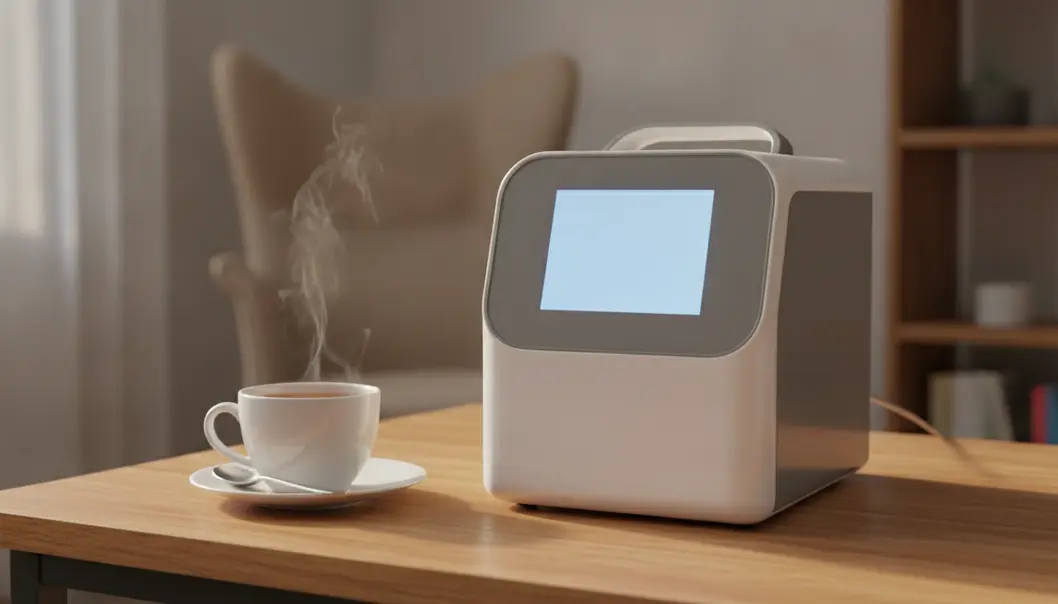
- Oxygen Concentrators: Instead of relying on a limited tank, these amazing machines pull in room air, filter out the nitrogen, and deliver highly concentrated oxygen. Many are now portable!
📝 Example: Transitioning to Home Oxygen
Let’s look at a realistic scenario. Imagine a patient, let’s call him John, who is discharged from the hospital after a severe bout of pneumonia.
John’s doctor prescribes home oxygen at a continuous flow rate of 2 Liters per Minute (LPM). Instead of bulky tanks, he receives a home oxygen concentrator. For leaving the house, he gets small, portable oxygen cylinders.
By using the concentrator while sleeping and resting at home, and the portable tanks for grocery shopping, John maintains his independence while ensuring his body heals safely.
Interactive Tool: Oxygen Cylinder Duration 🧮
If you’re using compressed oxygen tanks, a common worry is: \”How long will my tank last?\” I’ve put together a simple calculator to help you estimate this. Note: This is a general estimation for standard ‘E’ and ‘D’ cylinders.
🔢 Tank Duration Calculator
Oxygen itself is not flammable, but it vigorously accelerates fires. Never smoke, use open flames, or use petroleum-based lotions near oxygen equipment!

Tips for Living Comfortably 🏡
Living with oxygen therapy might feel like a huge lifestyle adjustment at first. I think the biggest hurdle is just getting used to the tubing. Here are a few practical tips to make everyday life a little easier.
- Protect Your Skin: The nasal cannula can cause friction behind your ears and inside your nose. Try using water-based lubricants (never Vaseline) to soothe dryness, and consider soft cloth ear cushions.
- Stay Active: Don’t let your oxygen tank keep you glued to the couch! With your doctor’s permission, light exercise is incredible for lung health.
- Plan Ahead for Travel: You can absolutely travel while on oxygen! Just be sure to contact airlines well in advance, as they have specific regulations for portable oxygen concentrators (POCs).
📝 Summary
We’ve covered quite a bit of ground today! Let’s quickly recap the most important takeaways from our journey into oxygen therapy.
Oxygen Therapy Key Takeaways
FAQ ❓
I hope this guide has cleared up some confusion and made oxygen therapy feel a little less daunting. Remember, getting extra oxygen is simply a tool to help you live a better, healthier life.
Do you have any personal experiences with oxygen therapy or questions you’d like to ask? Feel free to leave a comment down below! 😊