
Do you remember the last time you tried to enjoy a hot cup of coffee, only to have your glasses fog up completely? Or maybe you’ve dealt with the annoying scratchiness of contact lenses after a long day of staring at a computer screen. Honestly, I’ve been there, and it was totally annoying. 😊 For years, I relied on corrective lenses just to navigate the world. That’s when I started looking into LASIK.
As a highly popular vision correction option, LASIK has helped millions achieve 20/20 vision—or sometimes even better! But what exactly goes into it? Let’s dive in.
What Exactly is LASIK? 🤔
LASIK stands for Laser-Assisted In Situ Keratomileusis. It might sound like a mouthful, but the concept is quite straightforward. It is a type of refractive surgery that uses a laser to reshape the cornea—the clear, round dome at the front of your eye—to improve the way light rays are focused onto the retina.
Whether you’re nearsighted, farsighted, or have astigmatism, this procedure aims to fix the root cause of your blurry vision.
Not everyone is a perfect match for LASIK. Generally, you should be at least 18 years old, have a stable vision prescription for at least a year, and have generally healthy eyes.
How Does the Procedure Work? 👁️
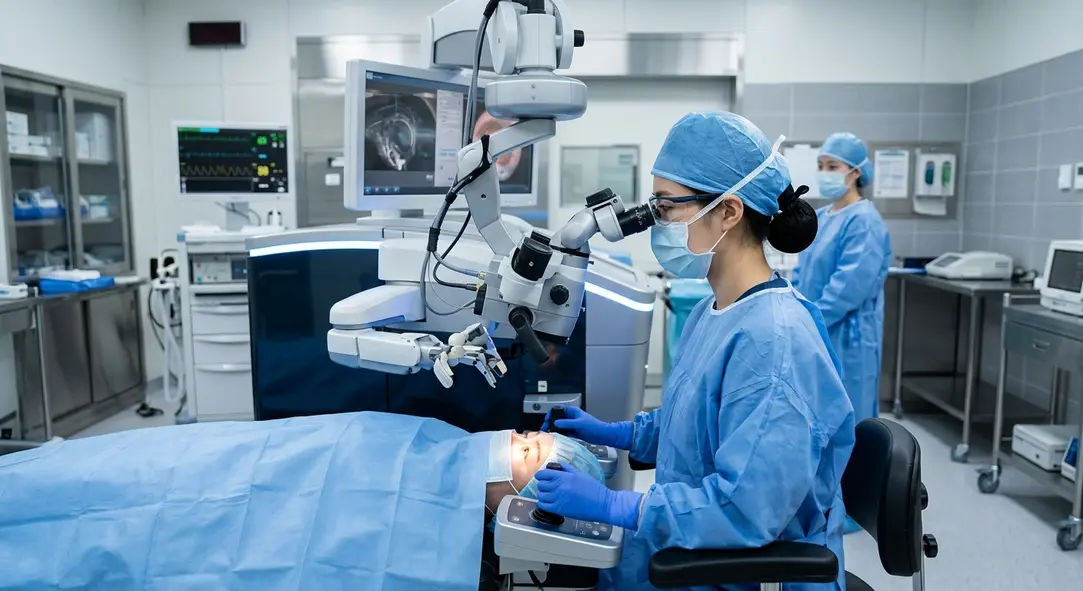
One of the most surprising things about LASIK is how fast it is. The actual laser time is often less than a minute per eye! Here is a step-by-step breakdown of what typically happens:
- Numbing the Eye: Your surgeon will apply numbing eye drops. You won’t feel pain, just a slight pressure.
- Creating the Flap: A specialized laser or microkeratome is used to create a paper-thin flap in the corneal tissue.
- Reshaping the Cornea: The underlying cornea is reshaped using an excimer laser based on your exact prescription.
- Closing Up: The flap is gently folded back into place, acting as a natural bandage. No stitches required!
If you suffer from severe dry eye syndrome, have very thin corneas, or are pregnant/nursing, you might need to postpone the surgery or look into alternatives like PRK or SMILE. Always consult your eye doctor!

LASIK Recovery Time: What to Expect ⏳
One of the best things about LASIK is the rapid recovery. Many patients notice a dramatic improvement in their vision within just a few hours! However, complete healing takes a bit more time.
| Timeframe | What to Expect | Care Tips |
|---|---|---|
| First 24 Hours | Blurry vision, mild burning, or tearing. | Rest your eyes, sleep, avoid screens. |
| 1 to 2 Weeks | Vision stabilizes, but halos around lights may occur. | Use prescribed eye drops faithfully. |
| 1 to 3 Months | Optimal vision achieved, dry eye symptoms fade. | Wear sunglasses outdoors to protect from UV. |
Breaking Down the Costs 💰
To be honest, LASIK isn’t cheap upfront. The average cost ranges from $2,000 to $3,000 per eye, depending on the technology used and your surgeon’s expertise. But let’s look at the bigger picture. How much are you spending on contacts, solutions, and glasses every year?
📝 Example: Sarah’s Investment
Sarah was spending about $500 a year on daily contact lenses and an annual eye exam. Over 10 years, that’s $5,000! She decided to get LASIK for $4,500 total. In just 9 years, the surgery completely paid for itself, and she never had to buy a box of contacts again.
🔢 LASIK Savings Calculator
Find out how much you could save over the next 10 years.

📝 Summary: The Key Takeaways
Before we wrap up, let’s look at the core highlights from our LASIK journey!
LASIK at a Glance
FAQ ❓
Choosing to undergo LASIK is a big decision, but it’s one that has brought incredible joy and freedom to so many people—myself included! Waking up and being able to read the alarm clock without fumbling for glasses is truly life-changing. Please note that this guide provides general information; always consult with a licensed eye care professional to determine what is best for your specific situation.
Are you thinking about getting LASIK, or do you still have hesitations? Let me know in the comments below, I’d love to hear your thoughts! 😊