Have you ever bitten into something crunchy and felt that dreaded crack? I remember when I chipped my back molar on a piece of hard candy. It was totally annoying and quite scary to be honest! My dentist told me I needed a dental crown, and I immediately started panicking about the procedure and, of course, the cost. If you’re in the same boat right now, don’t worry. I’ve been there, and today we’re going to break down everything about dental crowns together so you know exactly what to expect. 😊
What Exactly is a Dental Crown? 🤔
Simply put, a dental crown is like a snug little cap for your tooth. When a tooth is severely decayed, cracked, or has undergone a root canal, a regular filling just won’t cut it. The crown restores the tooth’s shape, size, strength, and appearance. It’s about giving your tooth a second chance!
In professional terms, it’s a fixed prosthetic device cemented onto existing teeth or implants. Once it’s placed, only a dentist can remove it.
Did you know? Crowns aren’t just for fixing broken teeth! They are also used for cosmetic modifications, like covering severely discolored or misshapen teeth to give you that perfect smile.
Types of Dental Crowns: Which One is Right for You? 🦷
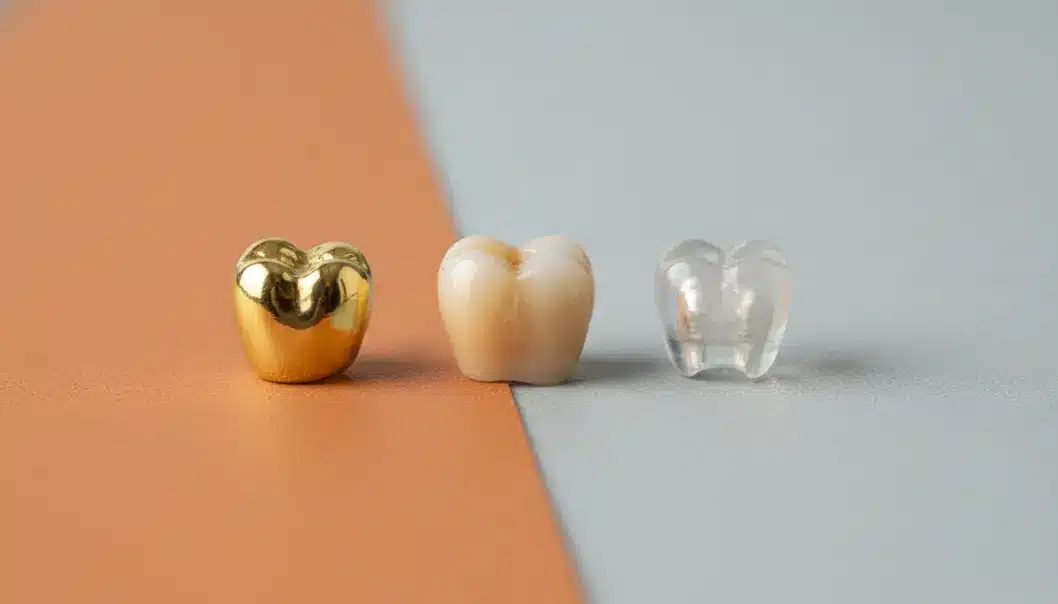
When my dentist told me I had options, I was a bit overwhelmed. Let’s simplify it! There are several materials available, and the best choice depends on which tooth needs the crown and your budget.
| Material | Pros | Cons |
|---|---|---|
| Porcelain/Ceramic | Best natural color match. | Can chip easier than metal. |
| Zirconia | Extremely durable, good aesthetics. | Hard to adjust, more expensive. |
| Gold / Metal Alloys | Longest lasting, withstands chewing. | Metallic color stands out. |
| PFM (Porcelain Fused to Metal) | Stronger than pure porcelain. | Metal line may show at gums. |
Don’t choose your crown material based solely on aesthetics! If you grind your teeth at night (bruxism), an all-porcelain crown might crack. Always consult with your dentist to find the most durable option for your specific bite.
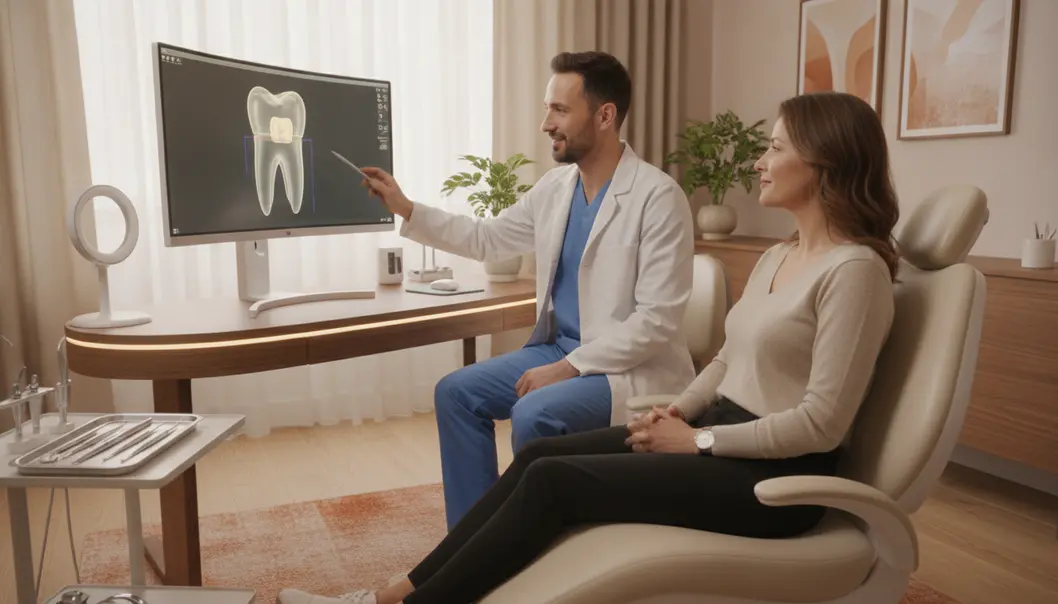
The Procedure: What to Expect in the Chair 🛠️
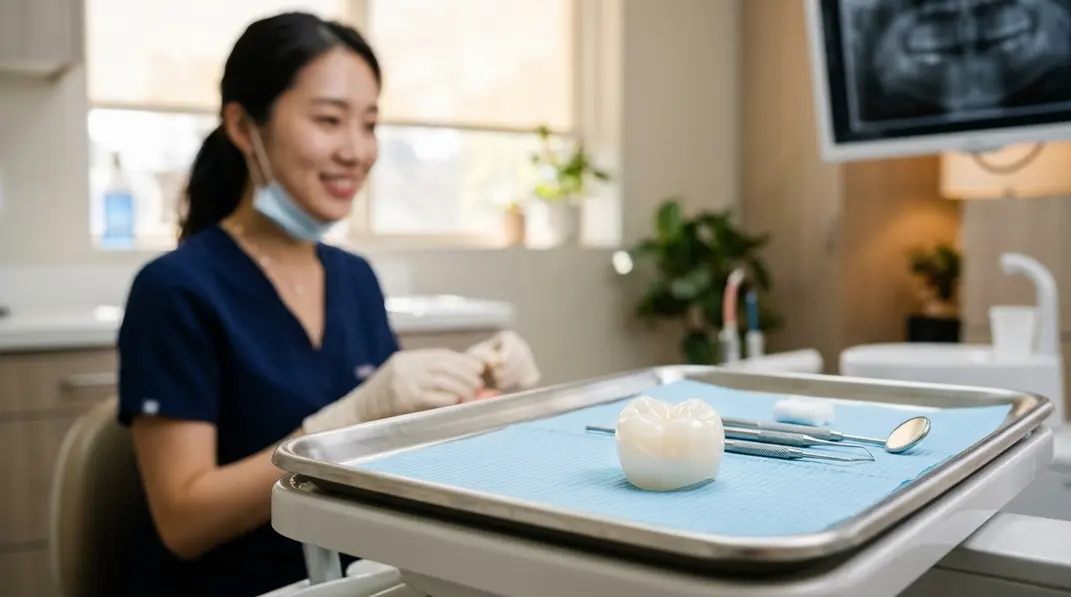
I was so nervous before my first appointment, but knowing the steps really helped calm my anxiety. Usually, getting a traditional crown requires two visits to the dentist.
- Visit 1: Preparation. The dentist numbs the area, files down the damaged tooth to make room for the crown, and takes an impression (either with gooey putty or a fancy digital scanner). You’ll leave with a temporary crown.
- The Waiting Period. The impression is sent to a dental lab where your custom crown is crafted. This usually takes 1 to 2 weeks.
- Visit 2: Placement. The dentist removes the temporary crown, checks the fit and color of your new permanent crown, and perfectly cements it into place!
📝 Example: Same-Day Crowns (CEREC)
Some modern clinics offer Same-Day Crowns. Instead of waiting two weeks, the dentist uses a 3D printer in the office to mill your ceramic crown while you wait! It’s super convenient, though they might not be quite as incredibly strong as lab-made Zirconia ones.
How Much Does a Dental Crown Cost? 💰
Let’s talk about the elephant in the room: the price. To be honest, crowns aren’t cheap. Without insurance, a single crown can cost anywhere from $800 to $2,500 depending on the material and your location. Luckily, many dental insurance plans cover around 50% of the cost if it’s medically necessary.
🔢 Crown Cost Estimator
Use this simple tool to estimate your out-of-pocket cost. (Note: These are national average estimates.)

Taking Care of Your New Crown 👩⚕️
Once your crown is placed, it feels just like a natural tooth! But remember, while the crown itself can’t decay, the natural tooth underneath it still can. It’s really important to maintain good oral hygiene. Brush twice a day, floss daily (be careful around the crown edges!), and avoid biting down on hard things like ice or opening packages with your teeth.
📝 Summary
Let’s quickly recap what we’ve covered today.
Dental Crowns at a Glance
Base Cost – (Base Cost × Insurance %) = Out-of-Pocket Cost
FAQ ❓
Getting a crown might seem daunting at first, but honestly, it’s one of the best ways to save a tooth and keep your smile healthy and functional. If you have any more questions about dental procedures, or if you’d like to share your own experience, please feel free to drop a comment below! Stay smiling! 😊