We’ve all been there: waking up, looking in the mirror, and spotting a brand new, angry red pimple right in the middle of our face. It’s totally frustrating, isn’t it? 😊 Dealing with acne can feel like an endless battle, especially when over-the-counter creams seem to do nothing but dry out your skin.
That’s why today, I want to dive deep into “Derma Acne”—a more clinical, dermatologist-approved approach to tackling those persistent blemishes. As someone who has spent years navigating the confusing world of skincare, I know how overwhelming it can be. Let’s break down the science of skin and figure this out together!
The Root Causes of Acne 🤔
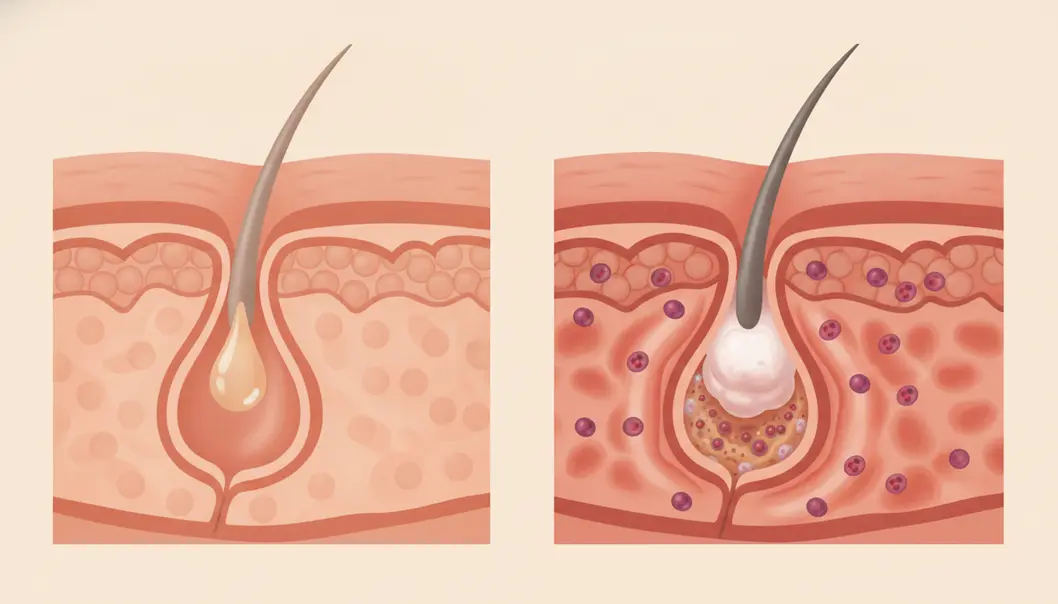
To treat acne effectively, we first need to understand what’s happening beneath the surface. Dermatologists agree that acne is primarily an inflammatory condition triggered by a mix of factors. It’s not just about “not washing your face enough”—in fact, over-washing can sometimes make it worse!
| Trigger Factor | How It Affects Your Skin |
|---|---|
| Hormonal Fluctuations | Increases sebum (oil) production, often leading to cystic acne along the jawline. |
| Bacterial Growth | C. acnes bacteria thrive in clogged pores, causing inflammation and redness. |
| Dead Skin Cells | Failing to shed properly, they mix with oil and trap bacteria underneath the skin. |
Never try to pop a deep, painful cyst yourself! This pushes the infection deeper, increasing the risk of permanent scarring and dark spots.
Professional Dermatological Treatments 🩺
When your at-home routine isn’t cutting it, stepping into a dermatologist’s office can be a game-changer. Professionals have access to stronger, more targeted treatments that can stop acne in its tracks.
- Chemical Peels: Uses high-strength acids (like Salicylic or Glycolic) to deeply exfoliate and unclog pores.
- Laser and Light Therapy: Blue light kills acne-causing bacteria, while certain lasers reduce oil gland size and fade red marks.
- Prescription Medications: Ranging from topical retinoids (like Tretinoin) to oral medications (like Spironolactone or Isotretinoin) for severe cases.
Prescription treatments can make your skin highly sensitive to the sun. Always remember to apply a generous layer of SPF 30+ every single morning!

Building Your At-Home Derma Routine 🧴
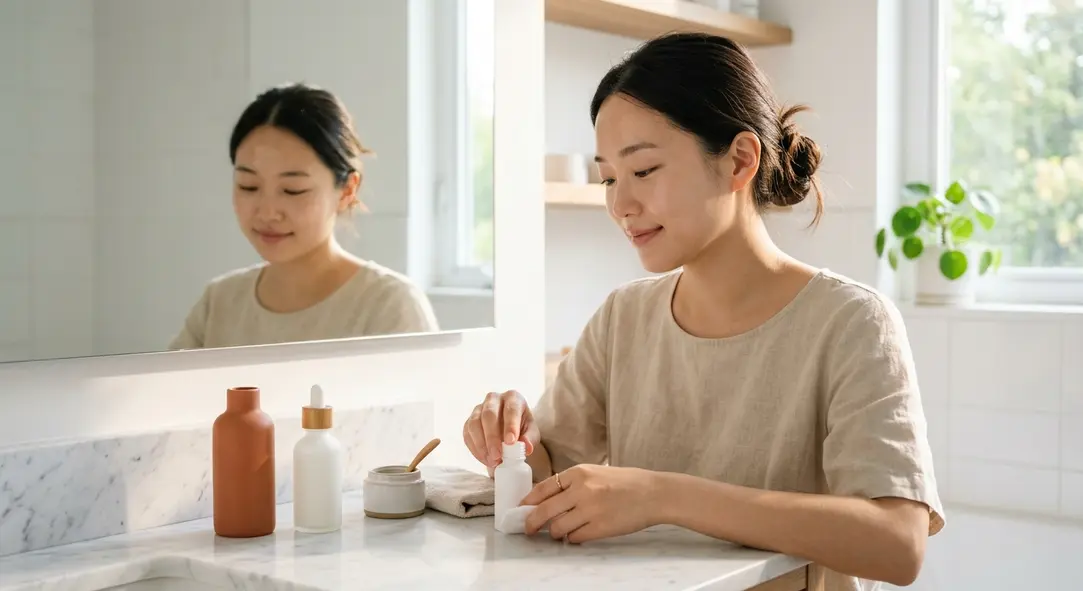
While professional treatments are fantastic, daily maintenance is crucial. A good routine shouldn’t be complicated. In fact, simplicity is key when your skin is inflamed.
Stick to a gentle cleanser, a targeted treatment serum (like niacinamide or salicylic acid), and a non-comedogenic moisturizer to repair your skin barrier.
🔢 Acne Severity Self-Checker
Select how often you experience breakouts to gauge if you should visit a professional.
📝 Summary & Takeaways
We’ve covered a lot of ground today! Let’s summarize the key points to remember on your journey to clearer skin.
Derma Acne Essentials
FAQ ❓
Thank you so much for reading! I hope this deep dive into dermatological acne treatments has given you some clarity and confidence. If you have any more questions or want to share your own skincare journey, please feel free to leave a comment below! 😊
Disclaimer: The information provided in this article is for educational purposes only and should not replace professional medical advice. Always consult with a board-certified dermatologist for a personalized treatment plan.