
Have you ever looked in the mirror and wished you could just hit a “reset” button on your skin? I know I certainly have. Whether it’s lingering acne scars from our teenage years, sun damage from too many beach days without SPF, or fine lines that seem to appear overnight, our skin tells the story of our lives. But sometimes, to be honest, we want to edit that story just a little bit. 😊
When I first started looking into serious skincare treatments, I was overwhelmed by the sheer number of options. Chemical peels, lasers, microneedling… the list is endless. However, there is one classic, highly effective procedure that often gets confused with milder treatments: Dermabrasion. Today, I want to take you on a deep dive into what this procedure really is, so you can make an informed decision for your beautiful skin.
What Exactly is Dermabrasion? 🤔
Let’s clear up the biggest misconception right away. People often hear “dermabrasion” and think of “microdermabrasion.” They sound similar, right? But they are totally different ballgames! While microdermabrasion is like a gentle, exfoliating polish you can get during a lunch break spa visit, true dermabrasion is a serious, clinical procedure.
Technically speaking, dermabrasion is a surgical skin-planing method. A board-certified dermatologist or plastic surgeon uses a specialized, high-speed rotary instrument (often equipped with an abrasive wheel or wire brush) to literally “sand” away the outer layers of the skin. It sounds a bit intimidating, doesn’t it? But this controlled removal allows a brand-new, smoother layer of skin to grow in its place.
Dermabrasion reaches deep into the dermis (the thicker layer of skin beneath the epidermis). Because of this depth, it is incredibly effective for severe skin texture issues that topical creams simply cannot fix.
What Does It Treat? 📊
You might be wondering, “Why would anyone undergo such an intense procedure?” The answer lies in the dramatic results it can achieve. Dermabrasion is primarily used to treat complex structural skin issues.
It’s particularly famous for being one of the best treatments for deep acne scars. If you have “pockmarks” or rolling scars, lasers sometimes struggle to create the perfectly even surface that dermabrasion can achieve. It’s also highly effective for deep wrinkles around the mouth, surgical scars, rhinophyma (a bulbous nose caused by rosacea), and severe sun damage.
| Condition | Dermabrasion Effectiveness | Alternative Option |
|---|---|---|
| Deep Acne Scars | Highly Effective (Levels the skin) | Fractional CO2 Laser |
| Fine Lines | Moderate (Can be overkill) | Chemical Peels |
| Hyperpigmentation | Not Recommended | Q-Switched Lasers |
| Surgical Scars | Highly Effective | Microneedling |
Dermabrasion is NOT for everyone. It is generally not recommended for people with darker skin tones (Fitzpatrick types IV-VI) due to a very high risk of permanent scarring or severe hyperpigmentation. Always consult a professional to see if your skin type is suitable!
What to Expect: The Procedure 👩⚕️
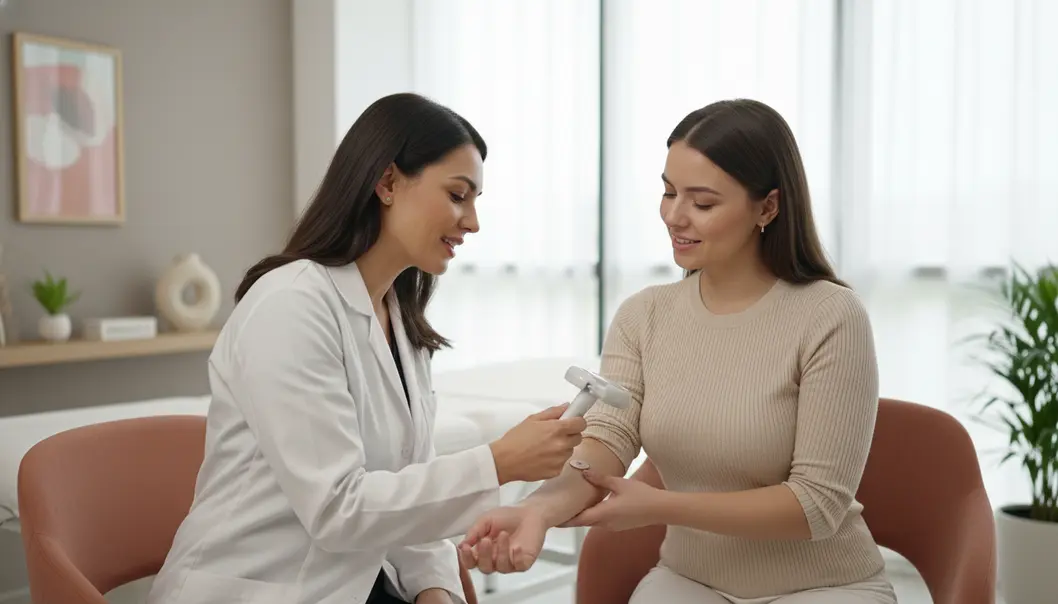
If you and your doctor decide this is the right path, preparation is key. I’ve found that knowing exactly what’s going to happen significantly reduces anxiety. For weeks prior, you might be asked to stop taking certain medications (like blood thinners or specific acne medications) and strictly avoid the sun.
On the day of the procedure, you aren’t just going to sit in a chair and grit your teeth! The area will be thoroughly cleansed, and you will be given local anesthesia to numb the skin. For full-face procedures, some doctors might use sedation or even general anesthesia. Once you are numb, the doctor carefully guides the rotating instrument across the targeted areas. The procedure can take anywhere from a few minutes to over an hour, depending on how much skin is being treated.
The Reality of Recovery 🩹
I won’t sugarcoat this part—the recovery from dermabrasion requires patience. Your skin will look and feel as though it has a severe sunburn. It will be red, swollen, and it will weep clear fluid before forming a scab or crust. Strictly following your doctor’s wound-care instructions is non-negotiable here.
📝 The Healing Timeline
- Days 1-4: Severe redness, swelling, and burning sensation. Skin begins to crust.
- Days 5-8: The crust begins to naturally peel off. New, delicate pink skin emerges beneath. (No picking!)
- Weeks 2-4: You can usually return to work and wear special camouflage makeup. The pinkness starts to slowly fade.
- Months 3-6: Complete healing. The final smooth texture and normal skin tone are fully revealed.
Try It: Downtime & Cost Estimator 🧮
Cost is always a huge factor, isn’t it? According to national averages, a single session can range from $1,500 to $4,000+, depending on the provider’s expertise and the area treated. Because it’s a major commitment, I’ve created a simple interactive tool below so you can get a rough idea of what to expect based on your specific needs.
🔢 Treatment Estimator
Select your primary concern to estimate average downtime and focus areas.
A Real-World Example 📚
Let’s look at a hypothetical case study based on typical patient experiences. Meet Sarah, 32. She struggled with cystic acne in her twenties, which left deep “boxcar” scars on her cheeks. Creams didn’t work, and microneedling only provided minimal improvement.
📝 Sarah’s Journey
The Decision: Her dermatologist recommended localized dermabrasion focused only on her cheeks to physically level the edges of the boxcar scars.
The Procedure: Performed under local anesthesia. It took about 45 minutes.
The Recovery: Sarah took 10 days off work. By day 12, she could wear a green-tinted primer to neutralize the lingering pinkness.
The Result: Six months later, her scars were 70% less visible, giving her the confidence to go makeup-free for the first time in a decade.
As Sarah’s case shows, while the downtime is intense, the physical resurfacing provides a level of permanent scar revision that is hard to beat.

📝 Summary
We’ve covered a lot of ground today! Dermabrasion isn’t a quick fix, but for those struggling with severe texture issues, it can be life-changing. Let’s recap the most crucial points in a quick visual summary.
Dermabrasion at a Glance
FAQ ❓
Final Thoughts 💭
Deciding to undergo dermabrasion is a big step, but for many, it’s the gateway to regaining their confidence. I think it’s empowering to know that science and dermatology offer such profound ways to help us feel better in our own skin. However, remember that every face is unique, and what works miracles for one person might not be the best route for another.
If you are tired of trying endless serums for those deep stubborn scars, it might be time to book a consultation with a board-certified dermatologist to discuss this option.
Disclaimer: The information provided in this article is for educational purposes only and should not replace professional medical advice. Always consult a healthcare provider regarding medical treatments and procedures.
What do you think? Would you brave the downtime for smoother skin? If you have any more questions about skin resurfacing, feel free to ask in the comments below! 😊