
Have you ever looked in the mirror and wished your skin could just repair itself like it did when you were younger? Or perhaps you’ve been reading up on the latest trends in regenerative health and kept stumbling across a mysterious word. Honestly, when I first heard about them, I thought it sounded like something straight out of a sci-fi movie. 😊
But the truth is, this isn’t science fiction at all. It’s happening right now inside your body. Today, I want to talk about something incredibly fascinating: exosomes. They are quietly becoming the biggest breakthrough in both medicine and aesthetics, and I think it’s time we demystify what they actually do.
What Exactly Are Exosomes? 🧬
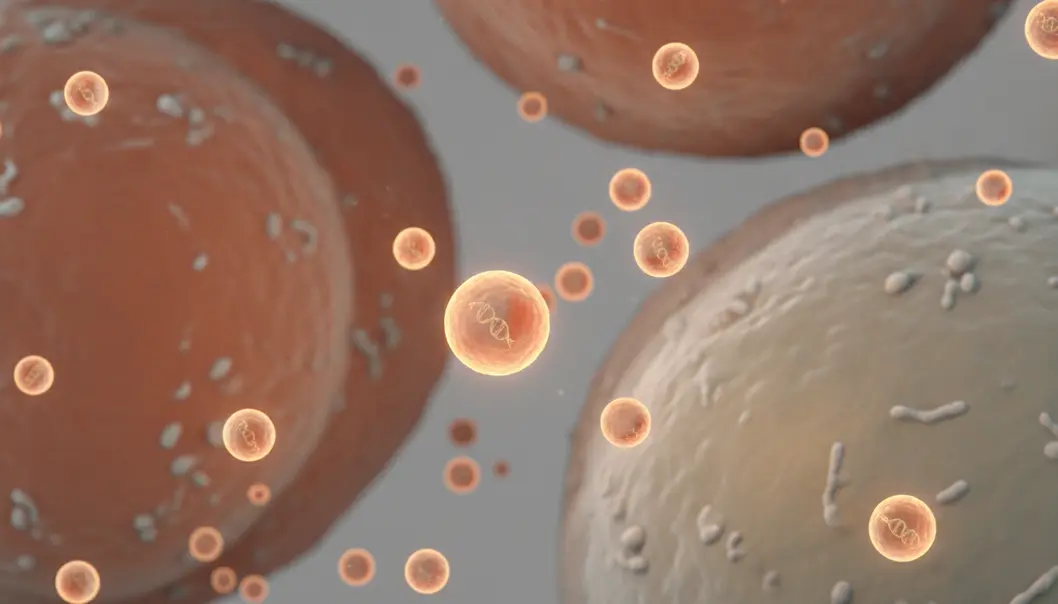
To put it simply, exosomes are tiny, membrane-bound vesicles (think of them as microscopic bubbles) that are secreted by almost all cells in our body. For a long time, scientists thought they were just cellular “trash bags” carrying away waste. Oh, how wrong they were!
It turns out, exosomes are essentially the “text messages” or “delivery packages” of our cellular world. They carry essential information—like proteins, lipids, and genetic material (RNA)—from one cell to another. When a healthy cell sends out an exosome, it can tell a damaged cell, “Hey, it’s time to repair yourself and start producing more collagen!”
Exosomes themselves are NOT cells. Because they don’t have a nucleus and cannot replicate, they are considered much safer to use in treatments compared to live stem cells.
Exosomes vs. Stem Cells 🔬
I often get asked, “Aren’t exosomes just the same thing as stem cells?” It’s a great question, but the answer is a resounding no. While they are closely related—in fact, the most potent exosomes used in treatments are derived from stem cells—they function differently.
| Feature | Stem Cells | Exosomes |
|---|---|---|
| Structure | Living cell with a nucleus | Non-living vesicle, no nucleus |
| Function | Transforms into different cell types | Delivers signals to existing cells |
| Safety Risk | Potential for unwanted cell division | Very low risk, cannot mutate |
| Size | Relatively large | Extremely tiny (nano-sized) |
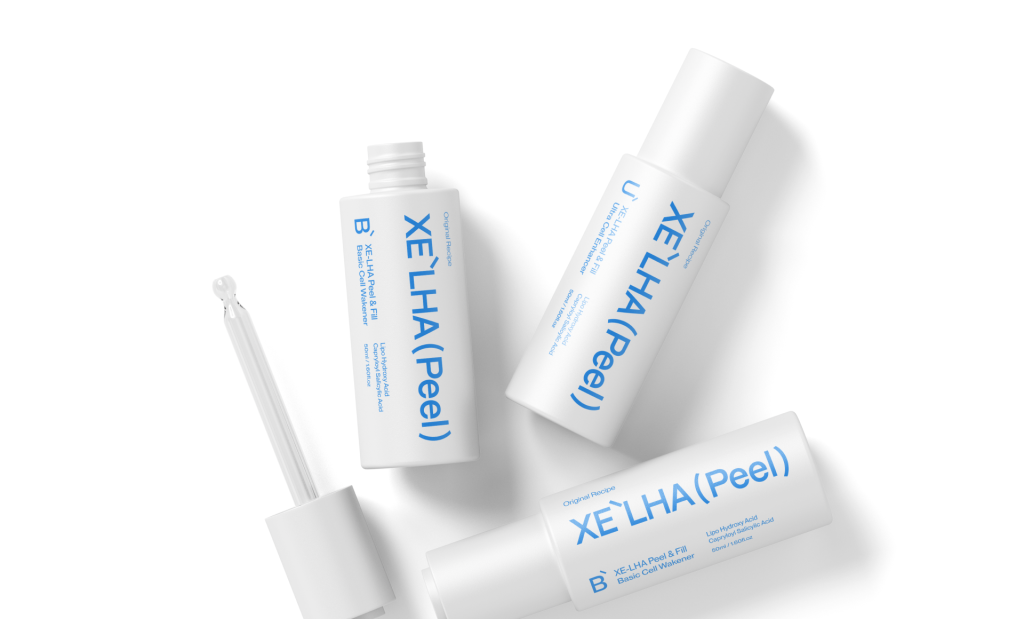
Be extremely cautious of over-the-counter “exosome” skincare products that claim miraculous results. Real exosomes are highly unstable and require precise temperature control. Many topical creams on the market may not contain active, living exosomes!
The Magic in Aesthetics: Skin & Hair ✨
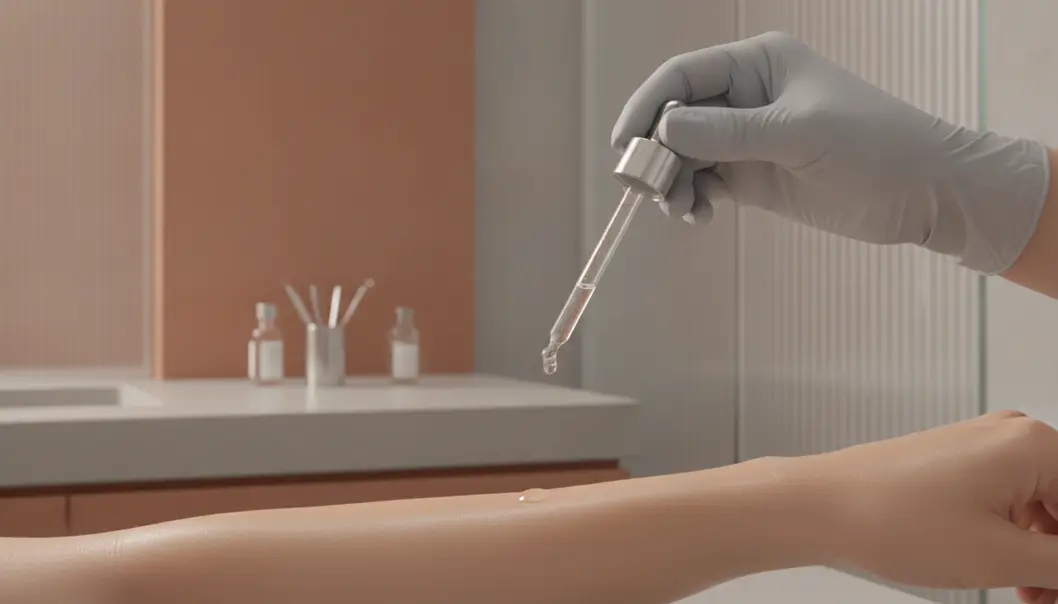
Now that we know the science, why are dermatologists and plastic surgeons raving about them? When injected or microneedled into the skin, exosomes act like a VIP instruction manual for your aging cells, telling them to wake up and produce collagen and elastin. I think it’s incredibly exciting because it’s utilizing the body’s natural regenerative powers!
📝 Example: A Typical Exosome Facial
Imagine going to a clinic for skin rejuvenation. Here is how a typical session unfolds:
- Step 1: Your face is gently cleansed and a numbing cream is applied.
- Step 2: The doctor uses a microneedling device to create tiny micro-channels in your skin.
- Step 3: A pure exosome serum (often kept frozen until just before use) is applied topically.
- The Result: The exosomes travel down those micro-channels, reducing inflammation dramatically and accelerating healing by up to 300%.
Treatment Cost Calculator 🧮
Exosome therapy isn’t cheap. It’s a premium treatment. If you are planning your aesthetics budget, I’ve created a simple calculator below to help you estimate the total cost of a full treatment cycle.
🔢 Exosome Treatment Budget Estimator
📝 Summary
Exosomes at a Glance
FAQ ❓
I really hope this guide helped clear up the mystery surrounding exosomes! It’s truly a fascinating time for biological science. If you have any more questions about exosome treatments, or if you’ve tried them yourself, feel free to share your experience in the comments below! 😊