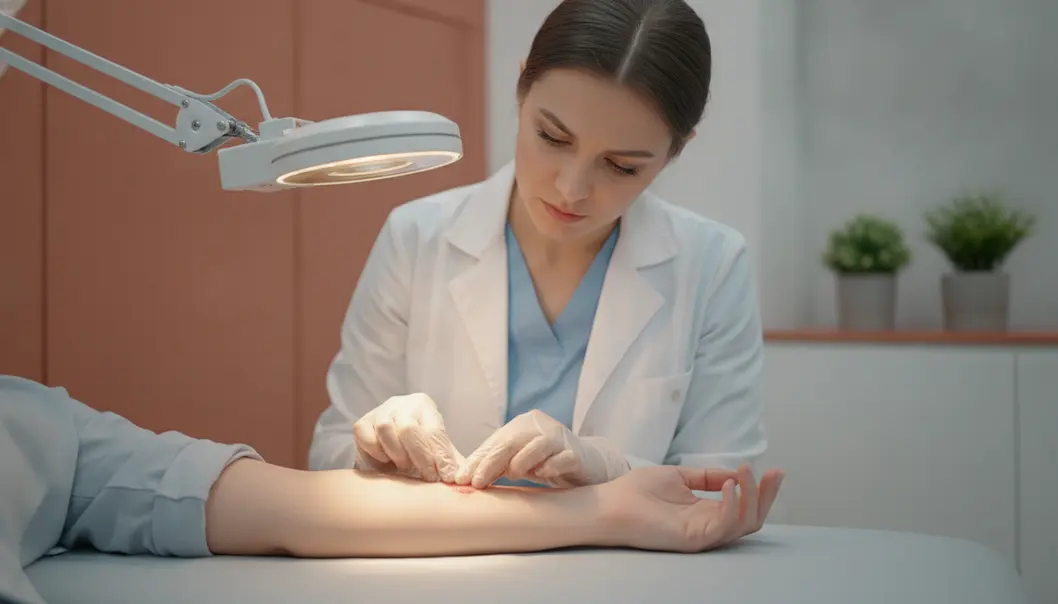
Let’s be honest, dealing with a stubborn scar can be incredibly frustrating. I remember having a small cut that healed into a raised, itchy bump that just wouldn’t go away. It felt totally annoying, especially when it rubbed against my clothes! 😊 If you’ve ever dealt with a keloid or a hypertrophic scar, you know exactly what I mean. But don’t worry, there is hope, and today we’re going to dive deep into a popular and effective solution: scar injections.
What Exactly Are Scar Injections? 🤔
Scar injections, commonly known as corticosteroid injections, are medical treatments aimed at reducing the size, redness, and itchiness of raised scars. The most frequently used medication is triamcinolone acetonide (often known by the brand name Kenalog). When injected directly into the scar tissue, it works by breaking down the dense collagen fibers that make the scar raised and firm.
I think of it as sending a tiny demolition team into the scar to gently dismantle the excess building materials. This process not only flattens the scar but also significantly relieves symptoms like pain and severe itching.
Did you know that scar injections are most effective when started early? If you notice a scar becoming unusually thick or raised after an injury, consulting a dermatologist sooner rather than later can yield the best results!
Types of Scars Treated 📊
Not all scars require injections. These treatments are specifically designed for scars that have aggressively over-healed. The two main culprits are hypertrophic scars and keloids. Let’s look at how they differ.
| Feature | Hypertrophic Scars | Keloid Scars |
|---|---|---|
| Growth Pattern | Stays within the boundaries of the original wound. | Grows beyond the original wound, invading healthy skin. |
| Appearance | Raised, red, or pink, often less bulky. | Thick, lumpy, often darker than surrounding skin. |
| Regression | May naturally fade and flatten over a few years. | Rarely regresses on its own and may continue to grow. |
| Injection Response | Very high success rate, often flattening completely. | Good response, but may require multiple sessions. |
It’s crucial to have a professional properly diagnose your scar type, as the concentration of the steroid used will vary based on how stubborn the tissue is.
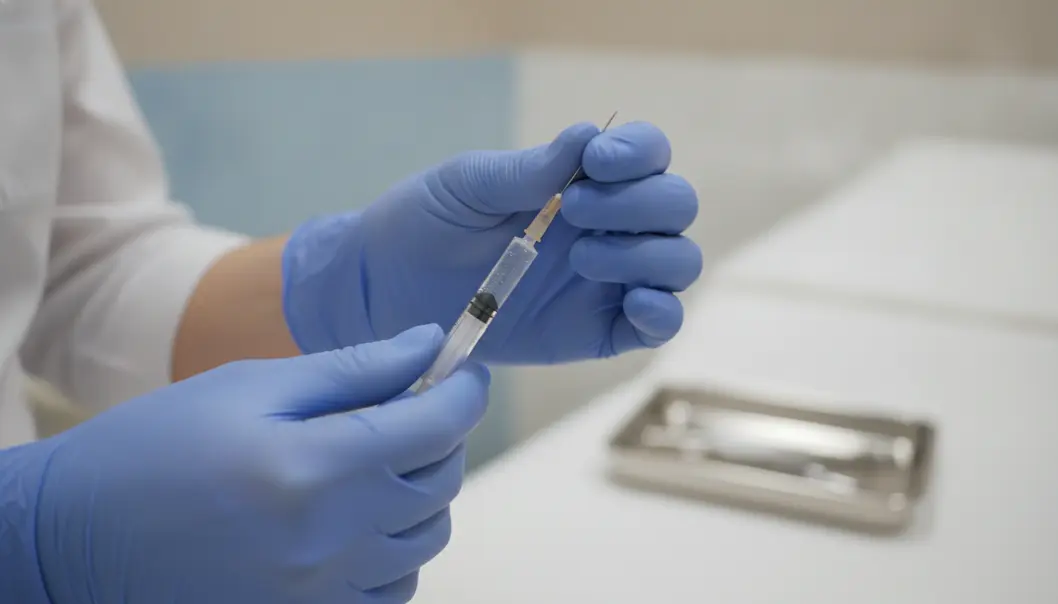
The Injection Process: What to Expect 👩⚕️
If you’re anything like me, needles might make you a bit nervous. But understanding the process usually helps calm those jitters! When you go in for a scar injection, the dermatologist will first clean the area. Because the scar tissue is very dense, the injection can be a bit painful. To help with this, many doctors mix the steroid with a local anesthetic (like lidocaine) or apply a numbing cream beforehand.
- Assessment: The doctor checks the size, thickness, and type of scar.
- Preparation: The area is sterilized, and numbing is applied if requested.
- Injection: A very fine needle is used to inject the steroid directly into the bulky part of the scar (intralesional injection).
- Aftercare: A small bandage is applied, and you’re good to go!
While highly effective, steroid injections can have side effects. Over-treating a scar can lead to skin atrophy (a sunken appearance where the scar used to be) or hypopigmentation (lightening of the skin). Always trust a board-certified dermatologist for this procedure!
Calculating the Potential Cost 🧮
One of the most common questions I get is, \”How much is this going to cost?\” The price varies widely depending on your location, the doctor’s expertise, and the size of the scar. Usually, you’ll need a series of injections spaced 3 to 6 weeks apart.
🔢 Scar Treatment Estimator
If standard steroids aren't working, dermatologists might mix the steroid with another drug called 5-Fluorouracil (5-FU). 5-FU is actually a chemotherapy drug, but in tiny doses, it's brilliant at stopping the overproduction of scar tissue cells. I think it's fascinating how versatile these treatments can be!

Real-Life Case Study: Treating a Jawline Keloid 📚
To give you a better idea of how this works in reality, let's look at a typical treatment scenario.
📝 Example Case: Sarah's Piercing Bump
The Situation: Sarah developed a marble-sized keloid on her jawline after an acne breakout. It was hard, occasionally itchy, and making her very self-conscious.
The Treatment Plan: Her dermatologist recommended Kenalog injections once a month.
The Progress:
- Session 1: The scar softened and the itching stopped completely within a week.
- Session 3: The keloid had flattened by about 50%.
- Session 6: The scar was nearly flush with the skin, leaving only a slightly discolored mark.
Result: Sarah felt a massive boost in her confidence. Though the skin texture wasn't 100% like untouched skin, the physical bump was gone!
📝 Summary
We've covered a lot of ground today! Let's wrap up the core concepts about scar injections so you can make an informed decision for your skin.
Scar Injections at a Glance
FAQ ❓
Dealing with a prominent scar can be emotionally taxing, but thanks to medical advancements like steroid injections, you don't have to live with the discomfort forever. I highly recommend reaching out to a dermatologist to explore your options. You deserve to feel comfortable in your own skin!
Disclaimer: This article provides general information and should not replace professional medical advice. Always consult a healthcare professional regarding your specific skin concerns.
If you have any more questions about scar treatments, or if you'd like to share your own experience, feel free to drop a comment below! I'd love to hear from you. 😊