
Have you ever watched a K-drama and wondered how the actors maintain such impossibly tight, youthful skin and sharp jawlines? I used to think it was just great genetics and a little cinematic magic. But honestly, during my last trip to Seoul, I discovered their real secret weapon: HIFU! It feels like literally everyone in Korea—from college students to business executives—is popping into a clinic during their lunch break for a quick lifting session. It’s quick, there’s almost no downtime, and the results are incredibly natural. 😊
What Exactly is HIFU? 🤔
Before we dive into the bustling world of Korean dermatology, let’s talk about what HIFU actually is. HIFU stands for High-Intensity Focused Ultrasound. Instead of using lasers or needles, it uses focused sound waves to penetrate deep beneath the surface of your skin. This ultrasound energy targets the SMAS layer (the exact same tissue that plastic surgeons pull tight during a surgical facelift) and gently heats it. The result? Your body’s natural healing process kicks in, producing fresh, bouncy collagen.
HIFU doesn’t give you overnight results. The magic happens gradually over 2 to 3 months as your collagen rebuilds. So, patience is definitely key!
Why Fly to Korea for HIFU? ✈️
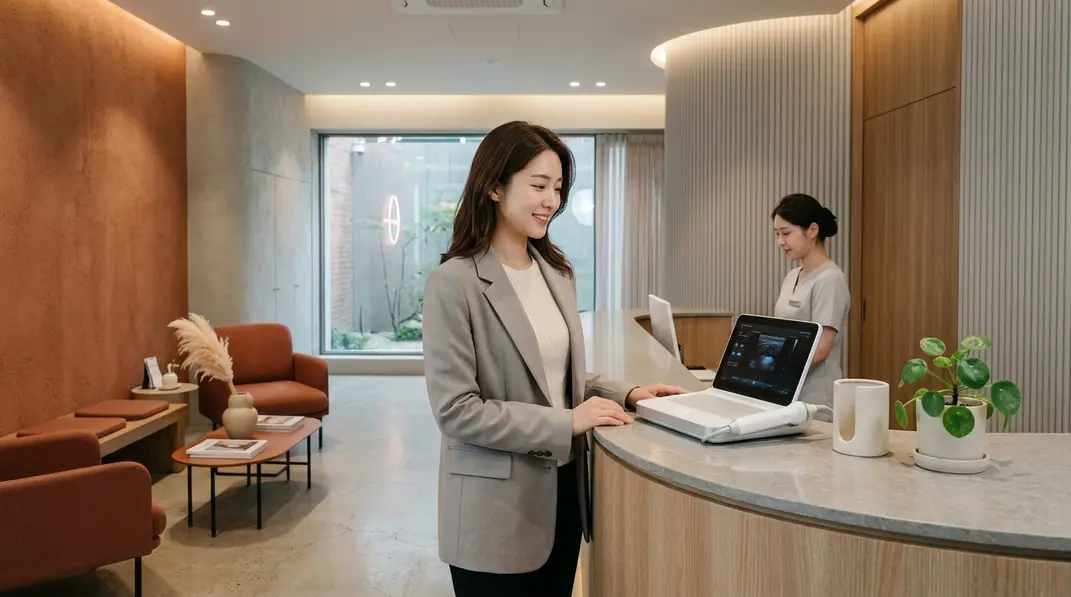
You might be thinking, “I can just get this done in my hometown, right?” Well, you could, but getting it done in Korea is a whole different ballgame. South Korea is the undisputed capital of medical aesthetics. The sheer volume of procedures performed means Korean doctors are immensely experienced. Plus, owing to intense competition among clinics in areas like Gangnam and Myeongdong, the technology is top-tier while the prices are remarkably affordable.
| Feature | HIFU in Western Countries | HIFU in South Korea |
|---|---|---|
| Average Cost (Ultherapy) | $2,500 – $4,000+ | $800 – $1,500 |
| Domestic Alternatives | Limited (Mainly Ultherapy) | Shurink, Doublo, LinearZ (Very Affordable) |
| Clinic Experience | Clinical, formal | Spa-like, fast-paced, highly pampering |
Not all clinics cater to foreigners. Make sure to book a clinic that offers in-house translation services (usually English, Chinese, or Japanese) to ensure you can communicate your specific lifting goals clearly!
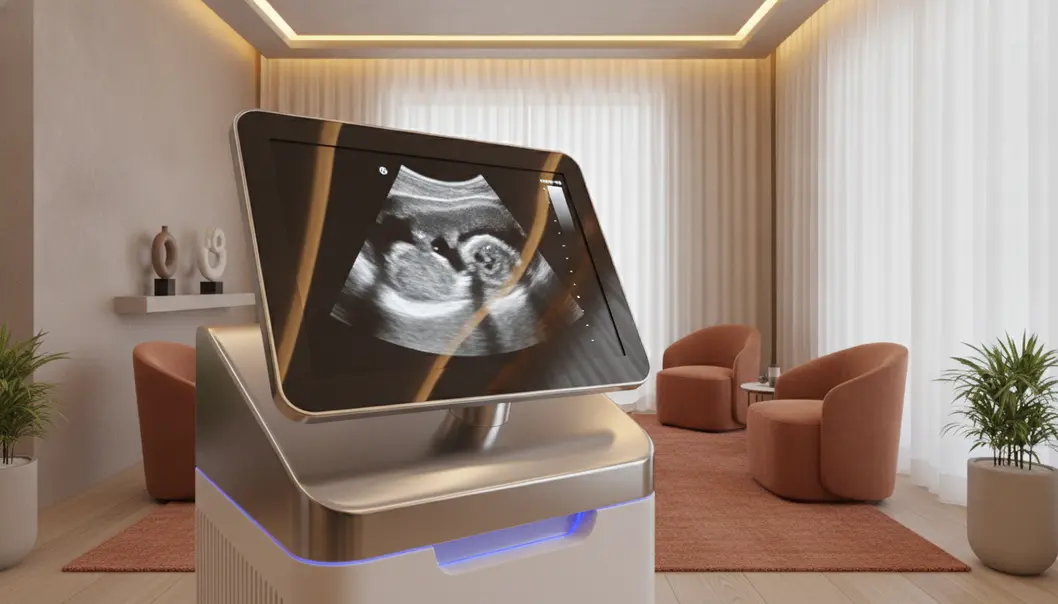
Top HIFU Devices in Korean Clinics 🏆
If you walk into a clinic in Seoul, you’ll be handed a menu that looks more like a high-end cafe’s offerings than a medical brochure. It can be overwhelming! Here are the most popular devices you need to know about.
- Ultherapy: The gold standard globally. It has real-time imaging so the doctor sees exactly where they are treating. It’s the most expensive, but lasts the longest (up to a year or more).
- Shurink (or Ultraformer III): The absolute crowd-favorite in Korea! It’s a domestic brand, so it’s incredibly cheap (sometimes as low as $50-$100 for 300 shots). It hurts less than Ultherapy, though the results might only last 3 to 6 months. Shurink Universe is the latest, faster, and less painful version.
- Doublo Gold: Another fantastic Korean brand known for being very fast and having manageable pain levels.
- LinearZ: The newest kid on the block. It uses linear energy delivery rather than dots, which means it’s lightning-fast and great for fat reduction in areas like the double chin.
Let’s Talk Budget: Interactive Calculator 💸
Pricing usually depends on the number of “shots” or “lines” you get. A full face typically requires 300 to 400 shots, while the face and neck might need 600 or more. Try this simple estimator to see what your budget might look like in Korea!
🔢 Korea HIFU Budget Estimator (USD)
A Real-Life Example: The V-Line Makeover 📝
To give you a better idea, here is a breakdown of what my friend experienced when she went in for a Shurink session in Gangnam last fall.
📝 Case Study: Sarah's 300-Shot Shurink Session
- The Goal: Reduce slight jowling and sharpen the chin area.
- The Process: First, a numbing cream was applied and left on for 30 minutes. Then, the doctor applied ultrasound gel and stamped the device along her jawline. It felt like tiny, warm rubber bands snapping against her skin.
- The Cost: With a seasonal promotion, she paid around 90,000 KRW (approx. $70 USD) for 300 shots!
The Verdict: While her face was slightly red for an hour, she went straight to dinner afterward. Two months later, her jawline looked noticeably tighter in photos.
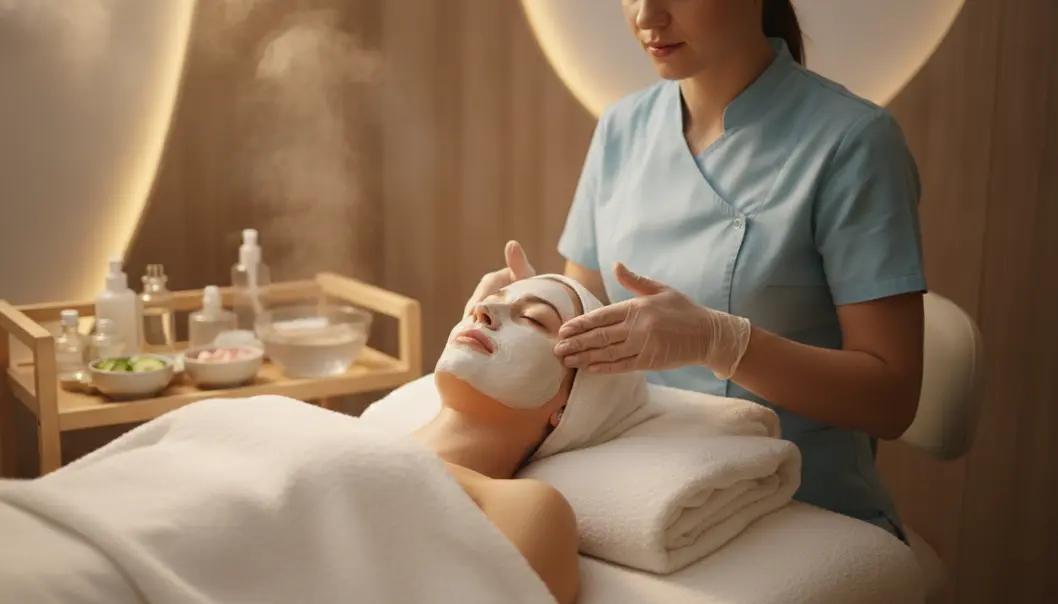
Pre and Post-Care: Don't Mess This Up! 👩💼👨💻
Even though HIFU is non-invasive, how you treat your skin afterward plays a huge role in the final results. Since we are dealing with heat beneath the skin, you want to avoid adding excessive external heat for at least a week.
Avoid saunas, hot yoga, and extremely hot showers for about 7 days post-treatment. Also, lather on that sunscreen and keep your skin highly moisturized. Your collagen needs a healthy environment to rebuild!
📝 Summary: Your Korea HIFU Cheat Sheet
Let's wrap up everything we've learned so you are fully prepared for your glowing transformation.
HIFU in Korea Essentials
FAQ ❓
To be honest, taking the plunge and getting a cosmetic procedure in a foreign country can seem a bit intimidating at first. But given the incredibly high standards and the jaw-dropping affordability of Korean clinics, I truly think it's worth it if you're looking for that non-surgical lift. Just remember to do your research, consult with a professional, and most importantly, enjoy your beautiful results!
If you have more questions about traveling to Korea for beauty treatments, or if you're wondering which clinic might be right for you, feel free to ask in the comments! I'd love to help out. 😊
Disclaimer: The information provided in this article is for educational and informational purposes only. It is not intended as medical advice. Always consult with a certified medical professional before undergoing any cosmetic procedures.