
Have you ever scrolled through social media and marvelled at the flawless, natural-looking results of K-beauty makeovers? Honestly, I used to wonder if it was all just clever photo editing or if there was something truly exceptional about South Korea’s medical industry. If you are considering packing your bags for a cosmetic journey to Seoul, you are definitely not alone! 😊
Today, I want to talk about something incredibly important: the actual quality of plastic surgery in Korea. We constantly hear about the stunning aesthetic results, but what about the safety protocols, the cutting-edge technology, and the real expertise behind the operating table?
Why is South Korea the Global Hub for Plastic Surgery? 🤔
To truly grasp the quality of care, we first need to look at the environment itself. South Korea possesses one of the most competitive medical markets on the planet. This intense competition means that clinics cannot afford to be complacent; they are constantly pushing the boundaries, investing heavily in medical research, and upgrading to the latest technologies. I firmly believe this fiercely competitive ecosystem is the primary driver of their exceptionally high standards.
Furthermore, Korean board-certified plastic surgeons undergo grueling training. It takes well over a decade of intensive medical study and residency before they earn their specialist title. Because top surgeons perform a high volume of surgeries daily, their clinical experience, muscle memory, and precision are remarkably refined compared to global averages.
Always verify if your doctor is a Board-Certified Plastic Surgeon in Korea (성형외과 전문의). While general practitioners can legally perform cosmetic procedures, only specialists have completed the specific, rigorous surgical residency required for complex aesthetic procedures!
Cutting-Edge Technology and Deep Specialization 🔬
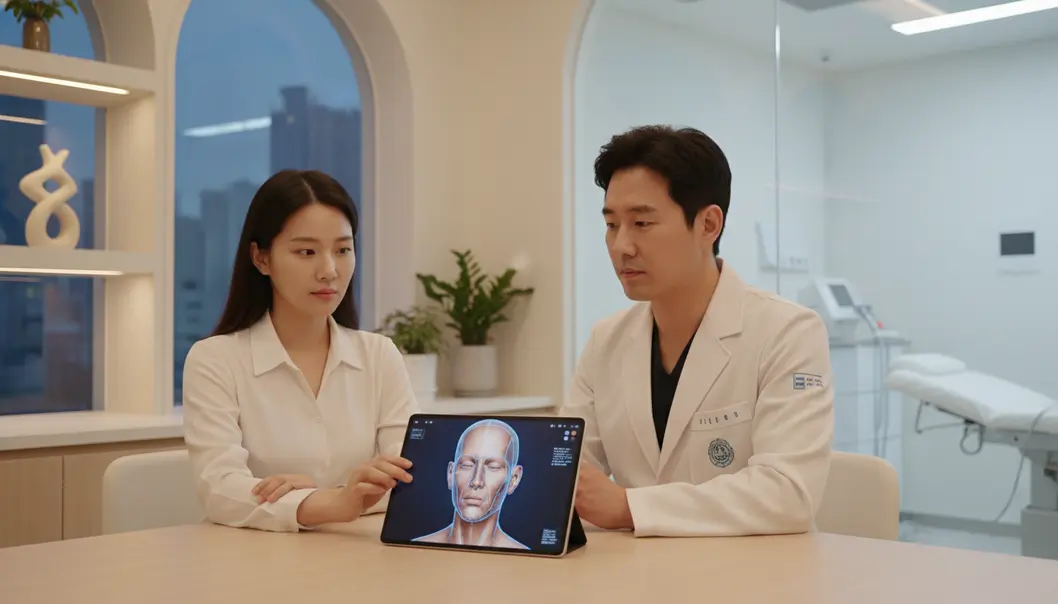
One aspect that truly impressed me when researching Korean clinics is their heavy reliance on advanced diagnostic technology. They don’t just rely on a doctor’s \”artistic eye\”; they ground their work in exact science. From 3D CT scans for jaw and facial contouring to AI-assisted predictive imaging, the pre-surgery planning is meticulously detailed to avoid any surprises during the operation.
| Medical Feature | Standard Global Approach | Korean Top Clinic Standard |
|---|---|---|
| Pre-op Consultation | Basic visual & physical assessment | 3D CT scans, virtual AI simulation, comprehensive blood panels |
| Anesthesia Care | On-call or visiting anesthesiologist | In-house specialized anesthesiologist present 24/7 |
| Surgeon Specialization | One doctor performs all body parts | Doctors specialize in just one area (e.g., exclusively rhinoplasty) |
The Reality of Quality: Safety and Medical Systems 🏥
Of course, it is crucial to remember that no medical procedure is entirely without risk. I’m not going to pretend the industry is flawless. A few years ago, the Korean medical sector faced backlash over \”shadow doctors\”—unlicensed personnel or junior doctors stepping in to perform surgeries while the patient was fully anesthetized. This was a massive wake-up call.
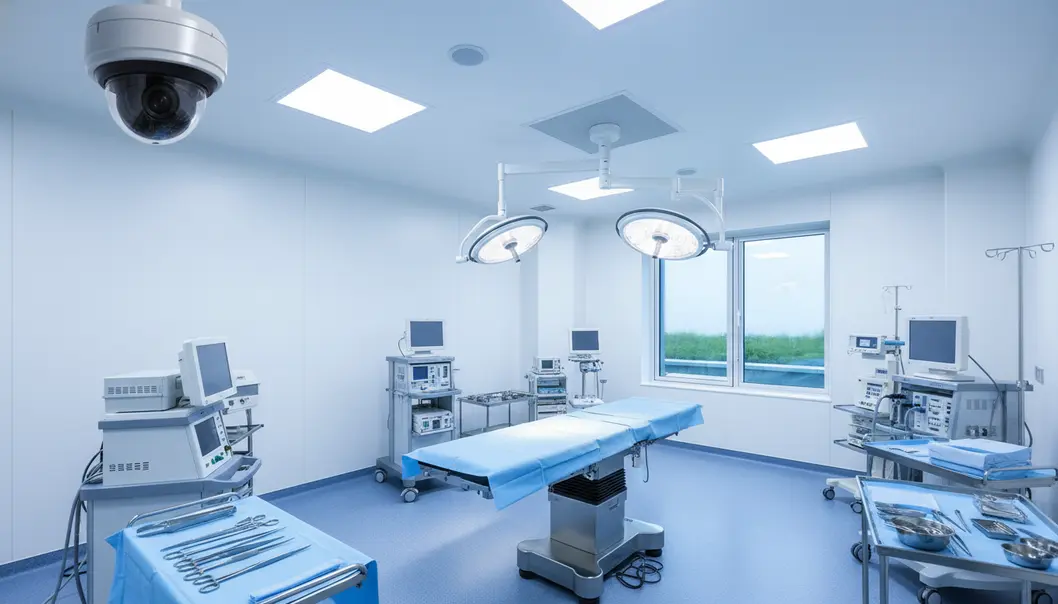
In a powerful response, the South Korean government recently mandated CCTV installations in all surgical operating rooms. This legislative move is a monumental step up for patient safety, medical ethics, and transparency. Now, patients or their legal guardians can formally request video footage of their procedure, effectively eliminating the shadow doctor issue at compliant, reputable clinics.
If an agency or clinic offers prices that seem unbelievably low compared to the market average, proceed with extreme caution. High-quality surgical materials, dedicated anesthesiologists, and highly experienced surgeons cost money. Never compromise your personal safety for a cheap deal!

Planning Your Trip: Budget & Clinic Selection 🧮
So, how do you actually choose a safe, high-quality clinic among hundreds of options? From my perspective, you need to look well beyond flashy marketing and influencer endorsements. Actively seek out clinics that emphasize emergency safety equipment (such as defibrillators and malignant hyperthermia medication like Dantrolene) and those that operate dedicated, in-house post-operative care centers to help you heal quickly.
🔢 Simple Medical Trip Budget Estimator
Korea Plastic Surgery Quality Summary
Frequently Asked Questions ❓
I truly hope this guide gives you a clearer, more honest picture of what the quality of plastic surgery in Korea really looks like behind the scenes. Remember, your personal safety and health are always the top priority! If you have any more questions about planning your medical journey or choosing the right specialist, feel free to ask in the comments below! 😊