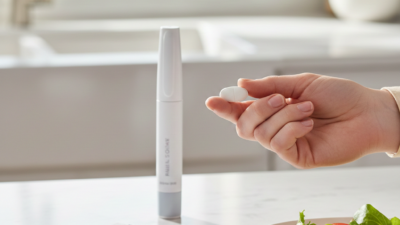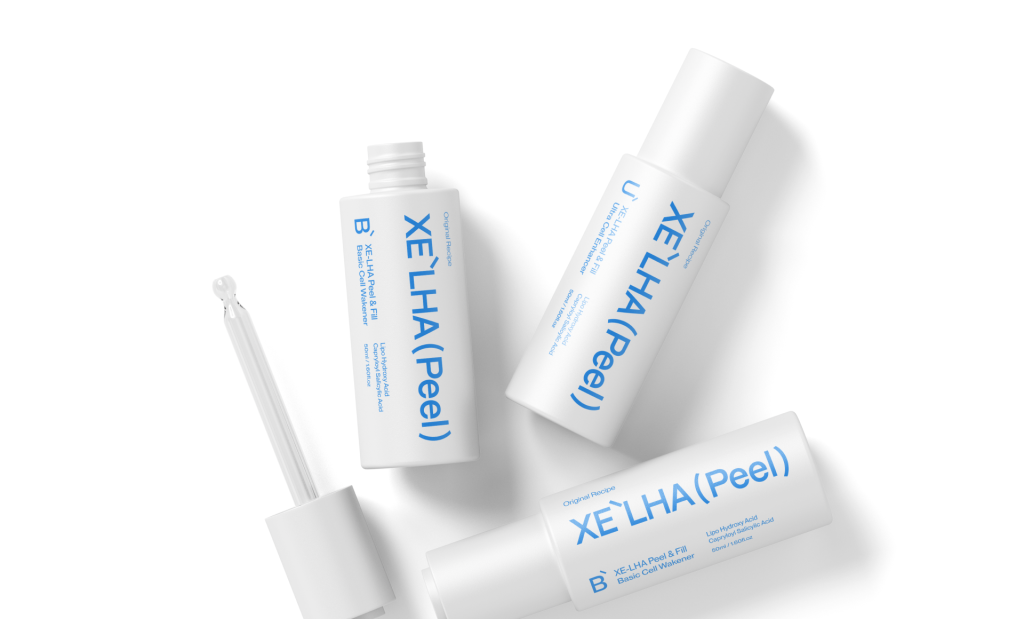
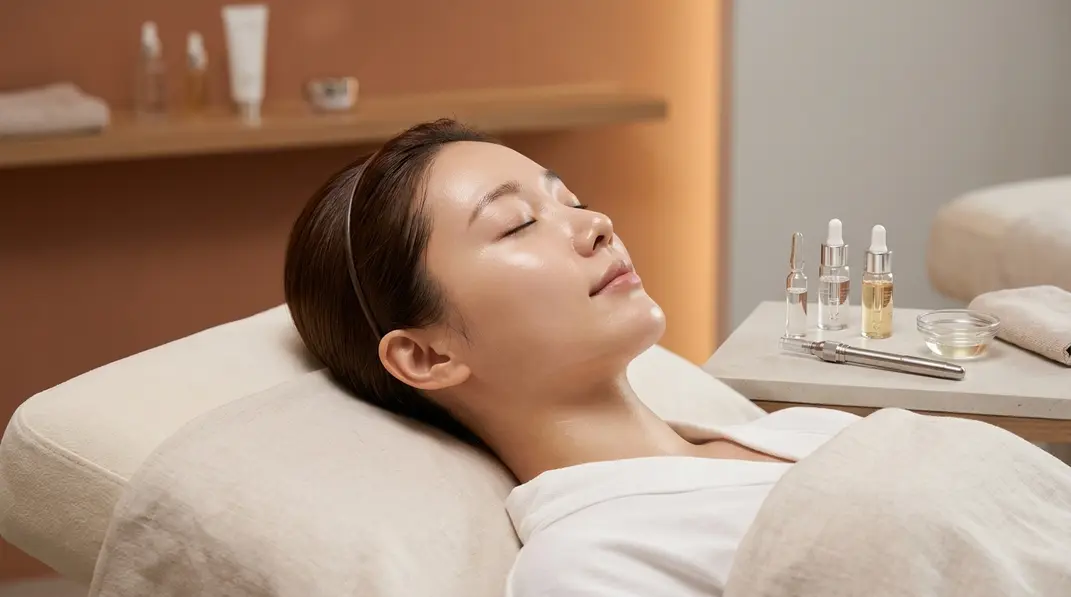
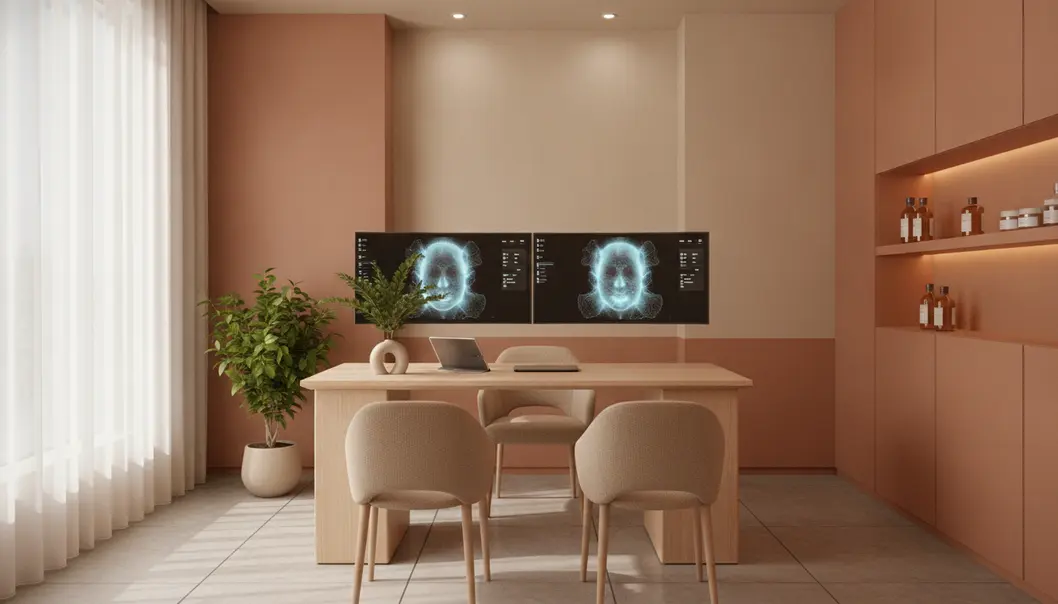
Have you ever scrolled through social media, seen a Korean celebrity with absolutely flawless, translucent skin, and thought, “How on earth is that even possible?” Honestly, I’ve been there so many times! 😊 Waking up to dull, tired skin can be frustrating, especially when you’re diligently doing a 10-step skincare routine at home. The truth is, while good skincare is essential, that signature “glass skin”—a complexion so smooth, hydrated, and reflective that it looks like glass—often comes with a little professional help.
When I first started researching, I was completely overwhelmed. There were so many lasers, injectables, and facials. But my biggest question was: How much does all this actually cost? If you’re planning a trip to Seoul, or just looking to visit a local K-beauty medspa in your city, knowing the Korean glass skin treatment price is crucial for your budget. Let’s dive into the fascinating world of Korean aesthetics and uncover the real costs!
The Core Treatments for Glass Skin 🤔
To understand the pricing, we first need to know what we are paying for. Glass skin isn’t achieved with a one-size-fits-all magical wand. Instead, it’s usually a customized combination of exfoliation, intense hydration, and collagen stimulation.
You’ve probably heard of terms like Rejuran Healer or LDM Water Drop. These are the absolute staples in Korean dermatology clinics. The goal is always to build a healthy skin barrier from the inside out, rather than just peeling off the top layer aggressively.
If you have sensitive skin, always communicate this with your doctor! Korean clinics are famous for customizing the energy levels of lasers and the depth of injections to match your exact skin type.
Breakdown of Korean Glass Skin Treatment Prices 📊
Now for the juicy part—the costs! Keep in mind that prices in Seoul are generally much lower than in Western countries due to high competition and the sheer volume of clinics. Here is a realistic comparison of average prices per session. (Note: Exchange rates fluctuate, so these are rough USD estimates based on recent data.)
| Treatment Name | What It Does | Avg Price in Korea | Avg Price (US/Abroad) |
|---|---|---|---|
| Aqua Peel | Gentle exfoliation & pore vacuuming | $30 – $70 | $100 – $200 |
| LDM Water Drop | Ultrasound hydration & calming | $50 – $120 | $200 – $350 |
| Rejuran Healer | Salmon DNA injection for skin regeneration | $200 – $450 (per 2cc) | $600 – $1,000+ |
| Skin Botox (Dermotoxin) | Micro-injections for pore tightening & glass finish | $100 – $250 | $400 – $800 |
| Pico Toning | Laser for pigmentation & brightening | $50 – $150 | $250 – $500 |
While “factory clinics” (large, volume-based chains) offer the lowest prices on the spectrum, they might lack personalized consultations. If you have complex skin issues, it is highly recommended to visit a board-certified dermatologist, even if it costs a bit more.
Why Do Prices Vary So Much? 👩💼👨💻
You might be wondering, “Why is one clinic offering Rejuran for $150 and another for $400?” It really comes down to a few key factors. First, the location. Clinics in upscale neighborhoods like Cheongdam-dong or Gangnam naturally charge a premium for their luxurious environments and VIP services.
Second is the expertise of the doctor. In Korea, a clinic run by a “specialist” (a board-certified dermatologist who completed residency) will charge more than a general practitioner offering aesthetic treatments. Honestly, for intense injectables or complex lasers, paying the premium for a specialist is totally worth it for peace of mind!
Budgeting for Your Glow: A Practical Example 📚
To give you a better idea of how this looks in reality, let’s walk through a typical “Glass Skin Package” that many tourists opt for when visiting Seoul. Let’s imagine you have one day to get a comprehensive treatment!
📝 Example: The Ultimate Glow-Up Itinerary
- Step 1: Prep & Cleanse (Aqua Peel): Starts by gently vacuuming out blackheads and dead skin. (~$40)
- Step 2: The Core Booster (Rejuran Healer 2cc): Hand-injected by the doctor for deep tissue regeneration. (~$250)
- Step 3: The Tightener (Skin Botox): Lightly injected across the face for instant pore reduction and that glassy shine. (~$150)
- Step 4: The Calming Finish (LDM & Cryocell): Soothes the skin to reduce redness from the injections. (~$60)
Total Estimated Cost: $500
Getting this exact same combo in New York or Los Angeles could easily run you upwards of $1,500 to $2,000! That’s why “medical tourism” for skincare in Korea is booming. It’s almost cheaper to buy a flight and get it done there.
🧮 Estimate Your Treatment Cost
Curious about how much your ideal combo might cost in a standard Seoul clinic? Try out this simple calculator!
🔢 Glass Skin Budget Calculator
📝 Summary
Glass Skin Pricing Cheat Sheet
FAQ ❓
Navigating the world of K-beauty can feel like learning a new language, but I hope this breakdown of the Korean glass skin treatment price helped clear things up for you! Whether you’re saving up for a trip to Seoul or looking into local medspas, investing in your skin health is always a wonderful choice.
Have you ever tried any of these treatments, or are you planning to? I’d love to hear about your experiences or answer any other questions you might have. Feel free to drop a comment below! Let’s all get that radiant glow together! 😊✨
Disclaimer: The information provided is for general educational purposes. Pricing and medical advice can vary based on individual circumstances. Always consult with a certified medical professional before undergoing any aesthetic procedures.