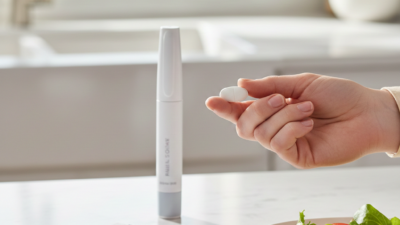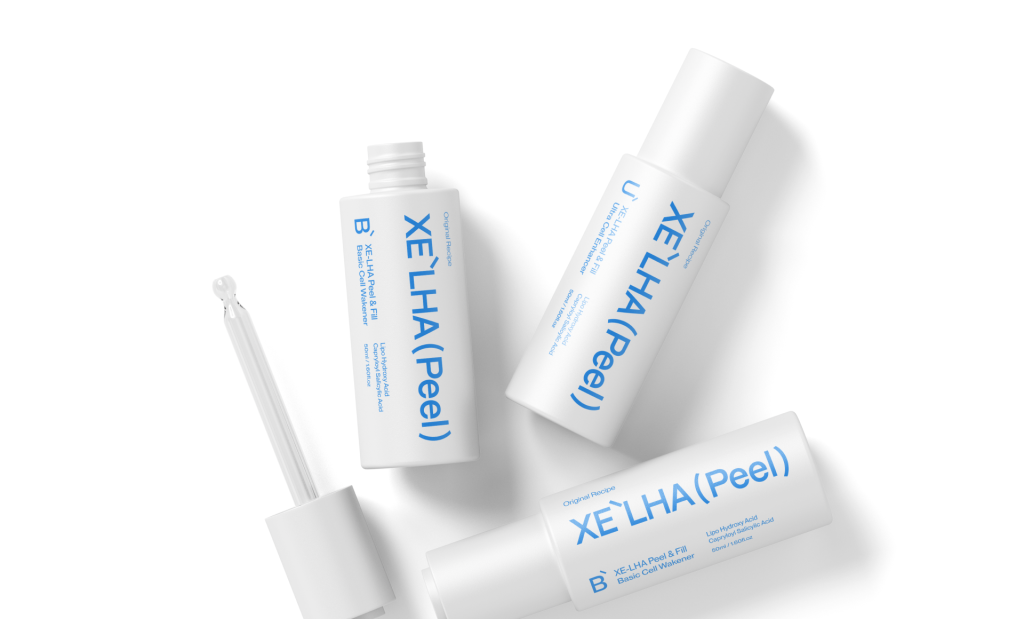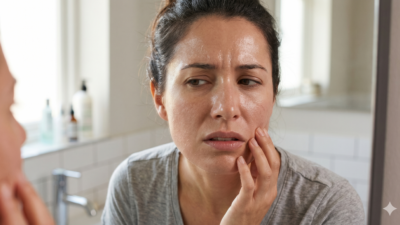
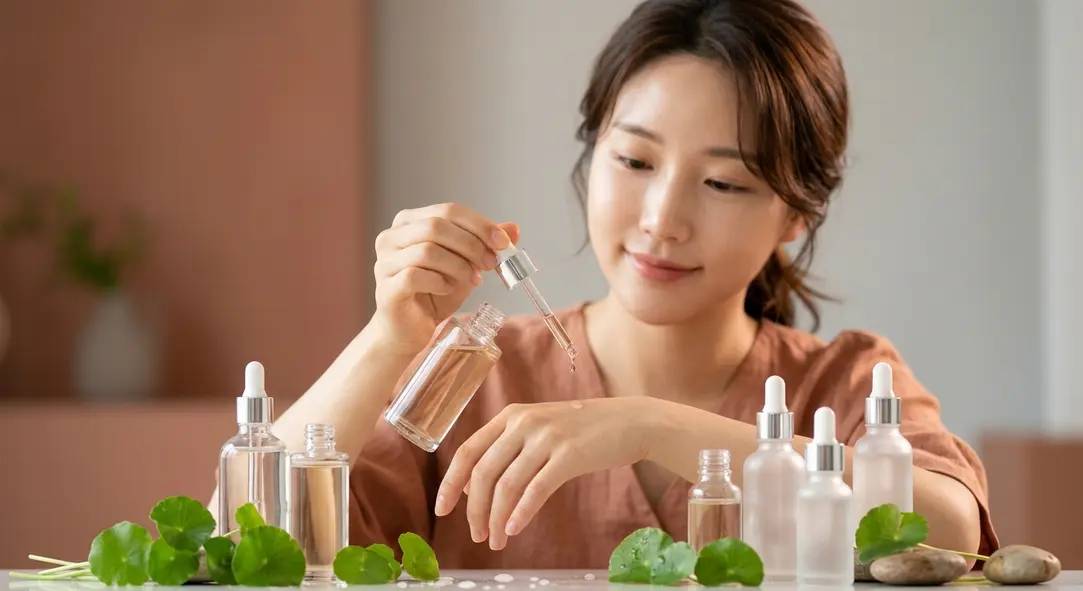
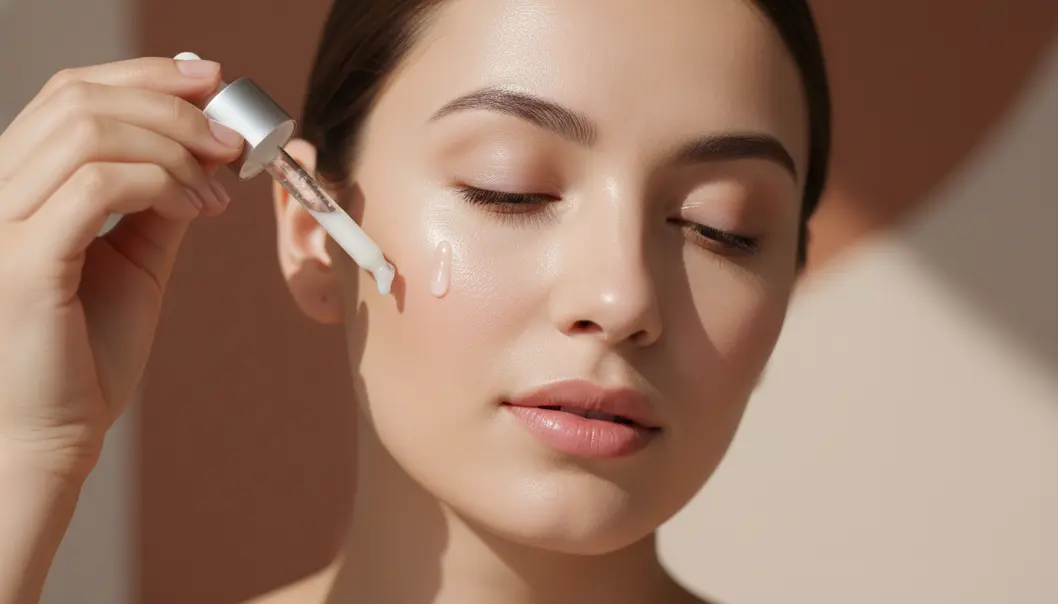
I still remember the first time I tried a traditional Western retinol. My skin was red, flaky, and angry for a week! 😫 I honestly thought I just wasn’t cut out for this miracle anti-aging ingredient. But then, I discovered the world of Korean retinol, and honestly, it changed everything.
If you’re like me and have sensitive skin, or if you’re just starting your anti-aging journey, you’re in the right place. Today, we’re going to dive deep into why Korean retinol is taking the skincare world by storm, and why it might just be the holy grail you’ve been searching for.
Why is Korean Retinol Different? 🤔
Traditional retinol is famous for accelerating cell turnover, which means it helps shed dead skin and boosts collagen. The catch? It can be highly irritating. Western brands often focus on high clinical percentages, which is great for fast results but tough on the fragile skin barrier.
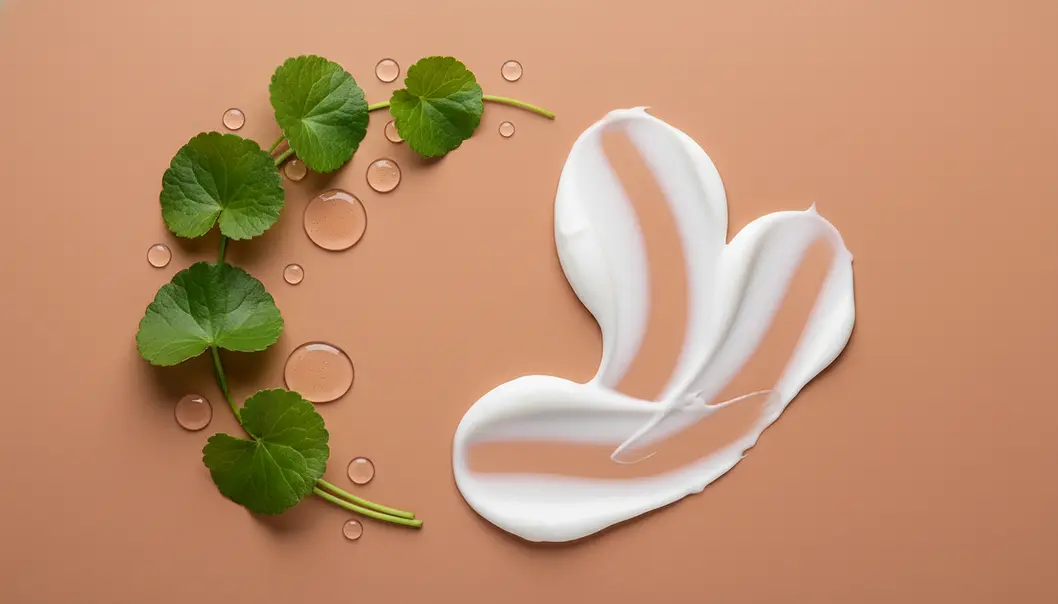
On the flip side, K-beauty is fundamentally obsessed with a healthy, strong skin barrier. So, when Korean brands formulate with retinol, they intuitively blend it with soothing ingredients like Centella Asiatica (Cica), ceramides, and hyaluronic acid. This unique approach buffers the harshness, giving you a slow and steady glow without the dreaded “purging” nightmare.
Even though Korean retinol is much gentler, you should still apply it only at night and wear plenty of sunscreen during the day! Retinol naturally makes your skin more photosensitive.
I think what really sets K-beauty apart is the mindset. It’s not about shocking your skin into submission; it’s about nurturing it while gently introducing powerful actives. If you’re carefully checking your ingredient lists, look for variations like:
Retinol, Retinyl Palmitate, Retinaldehyde, or Bakuchiol (a gentle plant-based alternative)All of these are fantastic anti-aging powerhouses, especially when nestled securely in a hydrating, calming formula.
Key Ingredients & Routine 📊
To really understand the magic, let’s look at how Korean formulations compare and what they pair their vitamin A with. It’s quite fascinating to see the differing philosophies laid out side by side.
| Feature | Western Retinol | Korean Retinol |
|---|---|---|
| Concentration | Often high (0.5% – 1%+) | Usually lower, blended or micro-dosed |
| Primary Goal | Fast, clinical results | Overall skin health, hydration & gradual results |
| Irritation Level | Moderate to High | Very Low |
Do not mix retinol with Vitamin C or strong exfoliating acids (like AHA/BHA) in the exact same routine unless you are a highly experienced user. Doing so is a fast track to a severely compromised skin barrier! Keep your active ingredients separated—perhaps use your Vitamin C in the morning and your Retinol exclusively at night.
Building a routine with these gentle products is surprisingly simple. Start with a non-stripping cleanser, apply a hydrating toner, use your Korean retinol serum, and lock it all in with a ceramide-rich moisturizer. I like to call this the “Sandwich Method” when my skin feels a bit drier than usual in the winter.
📝 Example: The Perfect Evening Routine
- Step 1: Double cleanse to remove makeup, dirt, and sunscreen thoroughly.
- Step 2: Apply a calming Cica or Hyaluronic Acid toner to dampen and prep the skin.
- Step 3: Apply a pea-sized amount of your favorite Korean Retinol gently over the face.
- Step 4: Seal it all in with a thick, nourishing layer of a barrier cream.
🔢 Retinol Frequency Calculator
By taking it slow, listening to your skin, and adjusting as needed, you’ll soon reap all the amazing anti-aging benefits without any of the scary side effects!
Korean Retinol Highlights
Conclusion & FAQ 📝
To wrap things up, making the big switch to Korean retinol was honestly one of the best decisions I’ve ever made for my skin’s health. It proves that you don’t have to suffer through intense irritation to achieve beautiful, youthful-looking skin. The K-beauty philosophy of nurturing and protecting the skin barrier truly shines through in these incredible formulations.
FAQ ❓
Have you tried any Korean retinol products yet? What was your experience like? Did you find it as gentle as I did? I’d absolutely love to hear your thoughts, so please feel free to leave a comment down below! 😊
Disclaimer: I am simply sharing my personal experience and general skincare knowledge. This is not medical advice. If you have severe skin conditions, are pregnant, or nursing, please consult a certified dermatologist before starting any new active ingredients.