
Have you ever started looking into laser treatments, only to feel completely overwhelmed by the sheer number of options and scientific names? I totally get it! 😊 A while back, I was researching laser hair removal and kept seeing the term “Nd:YAG” pop up everywhere. At first, it sounded like something out of a sci-fi movie to me. But the more I looked into it, the more I realized just how incredible this specific type of laser really is.
What Exactly is an Nd:YAG Laser? 🤔
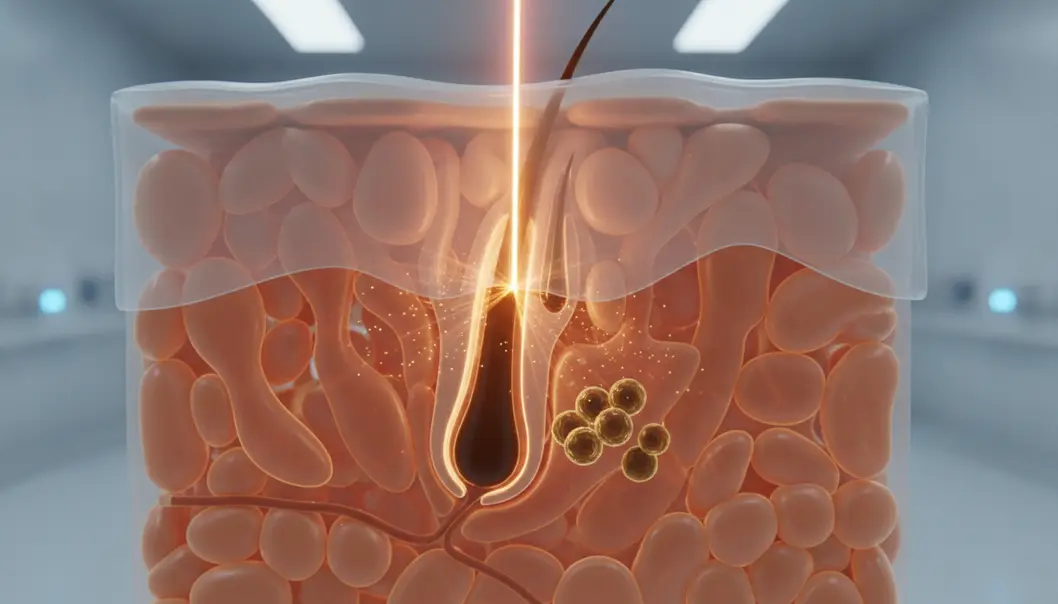
Let’s break down that complicated name first. Nd:YAG stands for neodymium-doped yttrium aluminum garnet. I know, it’s quite a mouthful! Essentially, it refers to the type of crystal used as the laser medium inside the machine. What makes it truly special is the specific wavelength of light it produces—typically 1064 nanometers (nm). This longer wavelength means the laser can penetrate much deeper into the skin tissue compared to other traditional types of lasers.
Because the Nd:YAG laser bypasses the melanin in the top layer of the skin (the epidermis) and targets deeper structures, it is considered the safest and most effective laser hair removal option for people with darker skin tones (Fitzpatrick skin types IV-VI).
Comparing Laser Technologies
| Laser Type | Wavelength | Best For |
|---|---|---|
| Nd:YAG | 1064 nm | Darker skin types, deep hair follicles, tattoos |
| Alexandrite | 755 nm | Lighter skin, finer hair |
| Diode | 810 nm | Medium skin types, general hair removal |

Top Uses for Nd:YAG Lasers 🎯
Now that we know what the science behind it is, what can it actually do in a clinic? To be honest, it is incredibly versatile. Whether you’re looking to zap away stubborn body hair, fade a regrettable old tattoo, or treat visible spider veins on your legs, this laser does some serious heavy lifting.
Before any laser treatment, you MUST avoid excessive sun exposure and tanning beds for at least 2 to 4 weeks. Treating actively sun-tanned or sunburned skin can easily lead to blisters, burns, or unwanted hyperpigmentation.
For tattoo removal, dermatologists use a specific variation called a Q-switched Nd:YAG. This machine delivers ultra-short, incredibly fast pulses of high energy that literally shatter the trapped tattoo ink into tiny, microscopic particles. Over the following weeks, your body’s immune system then naturally flushes these tiny ink particles out of your system. It’s truly fascinating, isn’t it?
🔢 Laser Session Estimator
Select your desired treatment type to see an average estimate of how many sessions you might need. Keep in mind, everyone’s body reacts differently!
What to Expect During & After Your Session 👩💼👨💻
If you’re like me, you probably want to know exactly what it feels like before committing time and money. I think the most accurate way to describe the sensation is feeling like a small, warm rubber band repeatedly snapping against your skin. It’s a bit uncomfortable, but usually very tolerable!
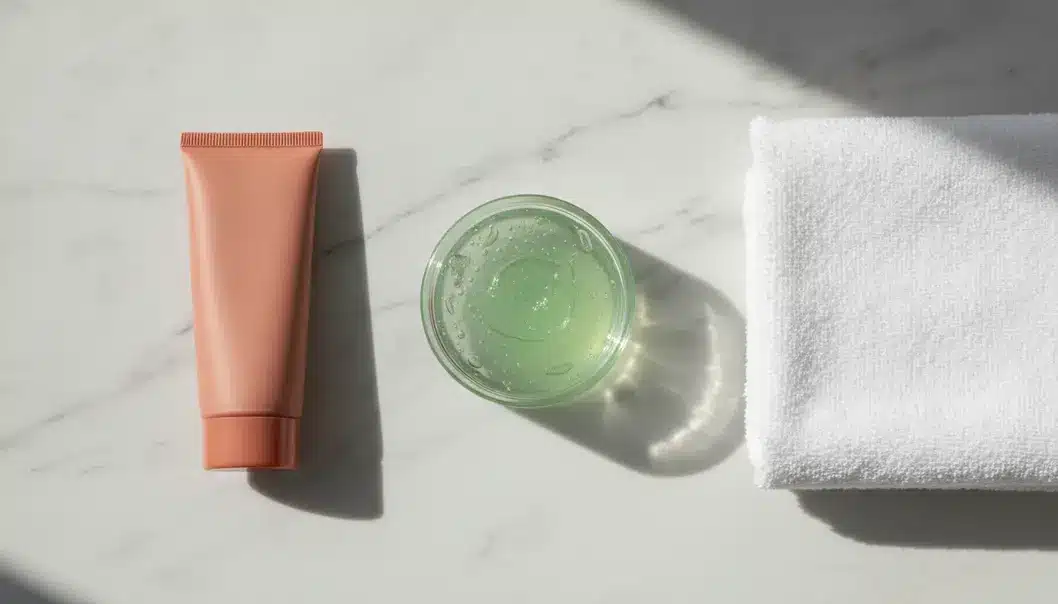
- Preparation: The treatment area is thoroughly cleaned. A numbing cream may be applied for sensitive areas, and a cooling gel or cold air machine is often used to protect the top layer of skin and heavily reduce discomfort.
- The Procedure: You will put on some stylish protective eyewear (safety first!). The technician will then glide the laser handpiece methodically over your skin.
- Post-Treatment Care: It’s completely normal to experience mild redness or swelling, almost like a mild sunburn, for a day or two. Be sure to apply soothing aloe vera, avoid hot showers for 24 hours, and slather on that SPF!
Nd:YAG Key Takeaways
FAQ ❓
I really hope this guide cleared up some of the mystery around the Nd:YAG laser! It’s a truly amazing piece of technology that has helped so many people feel much more confident in their own skin. If you have any more questions about my personal experience or about laser procedures in general, please feel free to ask away in the comments below! 😊